
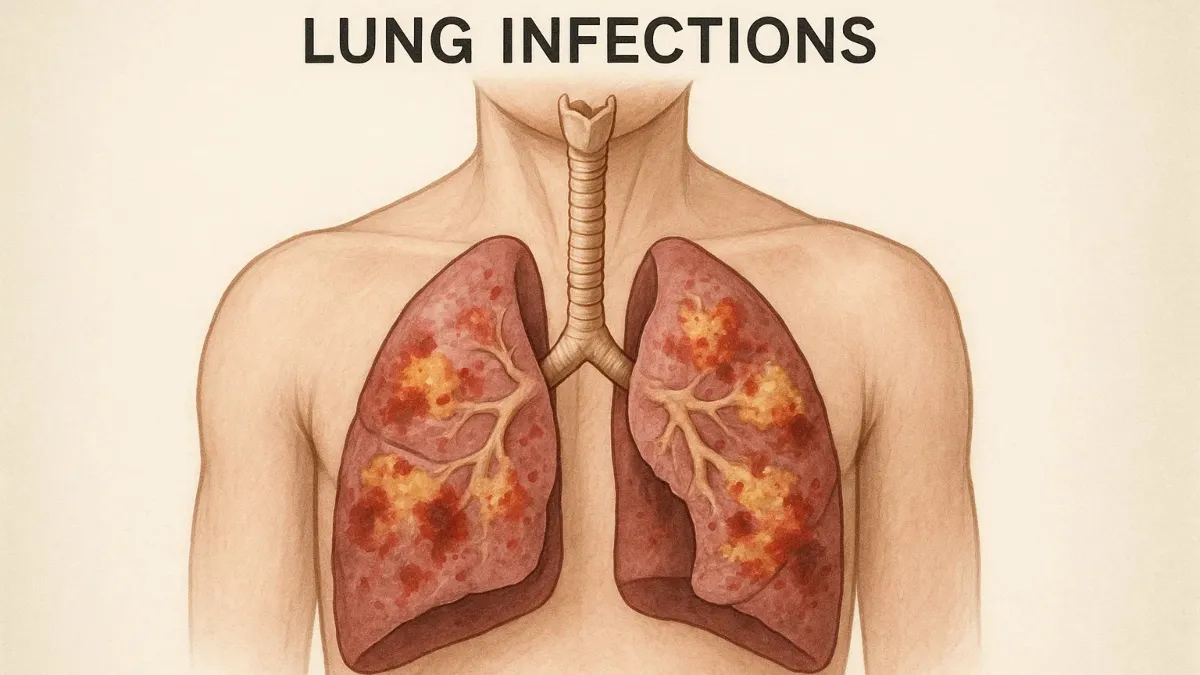
Lung infection occurs when any harmful bacteria, virus, fungus, or parasite enters the lungs and causes inflammation. Lung infections can range from mild to severe and require immediate medical treatment, as delaying treatment may become life-threatening. Understanding lung infections is crucial not only for timely diagnosis and treatment but also for prevention and long-term care.
According to Dr Sandeep Nayar, Principal Director and HOD, Chest and Respiratory Diseases at BLK-Max Super Speciality Hospital, symptoms of lung infections can vary depending on the type of infection, its severity, and the individual’s immune status. While some infections cause mild discomfort, others can lead to severe, life-threatening complications.
Symptoms of lung infections
- Cough remains one of the commonest symptoms of lung infections. Cough can be mild or severe; it can be dry, i.e., nonproductive, which does not produce mucus, or it can be wet, i.e., productive.
- Mucus/sputum may be watery or thick and may be transparent or yellowish-greenish, especially in the case of bacterial infections. Characteristics of expectorated sputum often suggest the diagnosis of its cause. Expectoration of large amounts of purulent and foul-smelling sputum is strongly suggestive of bronchiectasis with superadded bacterial infection. Production of thick, foul-smelling, purulent sputum in a febrile patient indicates a lung abscess. Rust-coloured purulent sputum indicates probable pneumococcal pneumonia, and currant jelly and sticky sputum may be seen in Klebsiella pneumonia. A rough idea of the probable organism causing an infection with gross examination of sputum may help to choose appropriate antibiotics.
- Wheezing is often present in many patients. When the patient exhales, a high-pitched whistling sound is produced, which is known as wheezing. This results from narrowed airways or inflammation.
- Chest pain or discomfort, especially during deep breaths or coughing, is often the presenting complaint of patients. Sometimes they may experience sharp pains in the mid to upper back, and they rush to seek treatment.
- Breathing difficulty is another common presenting complaint. They may even present with severe hypoxia (low oxygen) if the infection involves a large portion of the lungs or if they have an underlying lung condition. They may present with bluish lips or fingernails, indicating a low oxygen level and the need for urgent treatment. These patients are critical and require hospitalisation and are at times admitted to the Intensive Care Unit.
- In addition, patients may present with systemic symptoms like fever, which may be mild or severe and even accompanied by chills. Fatigue and general weakness may also be accompanying symptoms. Body aches or muscle pain, as well as headache, are other presenting symptoms. In the case of chronic infections like tuberculosis, a patient may also present with loss of appetite or unexplained weight loss.
Disclaimer: Tips and suggestions mentioned in the article are for general information purposes only and should not be construed as professional medical advice. Always consult your doctor or a dietician before starting any fitness programme or making any changes to your diet.
ALSO READ: Breathing toxins: The link between air pollution and dementia
