
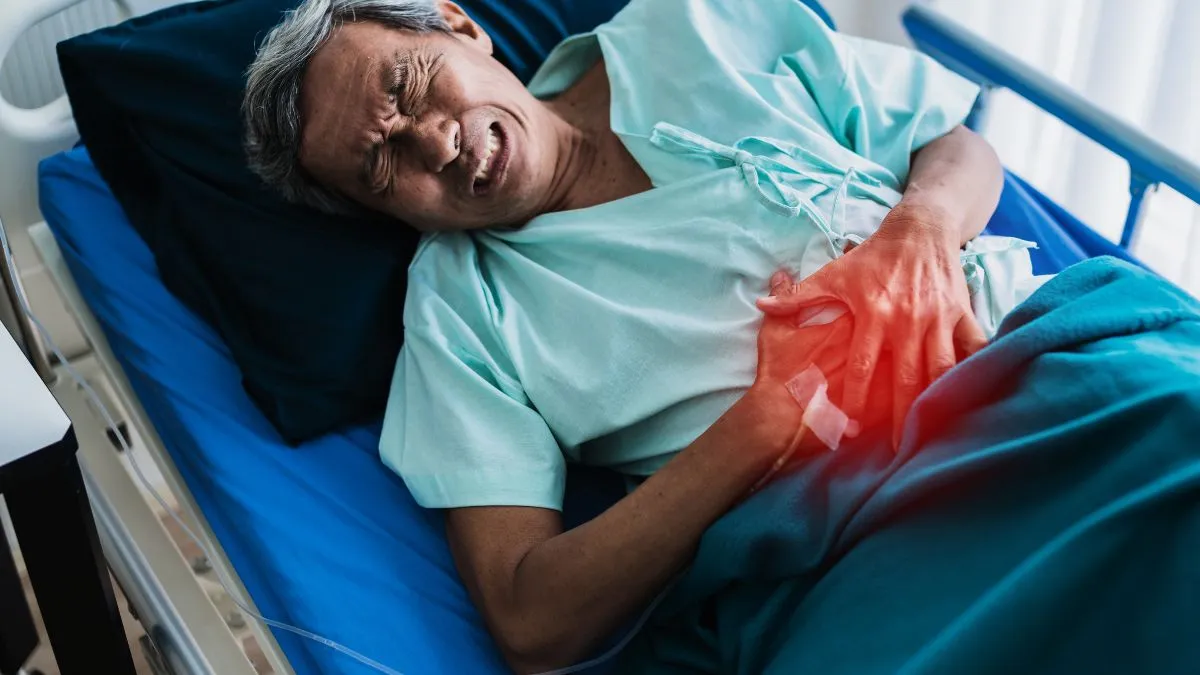
A liver cancer diagnosis has long carried an unspoken assumption: How much did they drink? For decades, liver disease, and especially liver cancer, has been viewed as a condition rooted almost entirely in alcohol consumption, often accompanied by stigma and quiet judgment from society. But that narrative is no longer accurate.
Homemakers, young professionals, and lifelong teetotallers are increasingly being diagnosed with serious liver disease, signalling a major shift in the country’s liver cancer profile. Dr Rakesh Kumar Sharma is a Consultant Medical Oncologist at M | O | C Cancer Care & Research Centre, Gurugram, shares his insight on the subject.
A silent wave driven by lifestyle, not liquor
While alcohol remains a known risk factor, it is no longer the dominant one. The more pressing concern today is Metabolically Dysregulated–Associated Steatotic Liver Disease (MASLD), commonly known as fatty liver disease.
Recent studies estimate that nearly 38.6 per cent of Indian adults are affected by fatty liver disease, with rates even higher in urban populations. The condition is closely linked to modern lifestyle patterns, poor diet, physical inactivity, obesity, and diabetes.
The irony, experts say, is that many affected individuals appear “thin” or outwardly healthy. “The problem is not always visible weight gain,” doctors note. “Visceral fat, fat stored around internal organs, accumulates silently and damages the liver over time.” Diets heavy in refined carbohydrates, sugary beverages, fried foods, sweets, and processed snacks contribute significantly to fat deposition in the liver.
From fatty liver to cancer
Fatty liver disease is not benign. In many cases, it progresses to Non-Alcoholic Steatohepatitis (NASH), a more aggressive inflammatory condition that can lead to cirrhosis and eventually liver cancer.
Diabetes, obesity and sedentary lifestyles are emerging as key drivers.
Viral hepatitis: The old threat that never went away
Before fatty liver took centre stage, chronic Hepatitis B and C infections were the leading causes of liver cancer in India, and they continue to play a major role.
Hepatitis B is often acquired at birth if the mother is infected, remaining dormant for decades without symptoms. Despite national vaccination programmes, millions of Indians remain silent carriers, unaware of the infection until advanced liver disease develops.
The hidden danger on our plates: Aflatoxin
The other less-known but severe risk factor is aflatoxin, a toxin that is produced by moulds which develop on poorly stored grains like groundnuts, maize and sorghum.
In damp weather and rural areas where storing in traditional ways is a norm, extended contact with aflatoxin may cause liver damage to liver DNA. In addition to Hepatitis B infection, experts call it as a perfect storm in the development of liver cancer.
The good news: Liver cancer is largely preventable
Despite its rising incidence, liver cancer remains one of the most preventable cancers if risk factors are recognised early.
Doctors recommend several practical steps:
Reduce sugar and refined carbohydrates
Cutting down on sweets, sugary drinks and ultra-processed foods helps reduce fat accumulation in the liver.
Ensure Hepatitis B vaccination
Full vaccination for all family members, including children, is essential.
Consider coffee without excess sugar
Research suggests that regular coffee consumption may reduce liver cancer risk by up to 42 per cent.
Screen early if you’re at risk
People with diabetes, obesity, metabolic syndrome or a family history of liver disease should undergo liver function tests or ultrasound screening, even if they don’t drink alcohol.
Liver cancer is no longer a disease confined to drinkers. It is increasingly shaped by diet, lifestyle, viral infections, genetics and environmental exposure. The biggest barrier to prevention today is not medical; it is perception. Removing the stigma attached to liver disease and replacing it with awareness is critical. Because when detected early, liver disease can be managed, and lives can be saved.
Disclaimer: Tips and suggestions mentioned in the article are for general information purposes only and should not be construed as professional medical advice. Always consult your doctor or a dietician before starting any fitness programme or making any changes to your diet.
Also read: From lumps to skin changes: Delhi-based oncologist shares warning signs of breast cancer
