
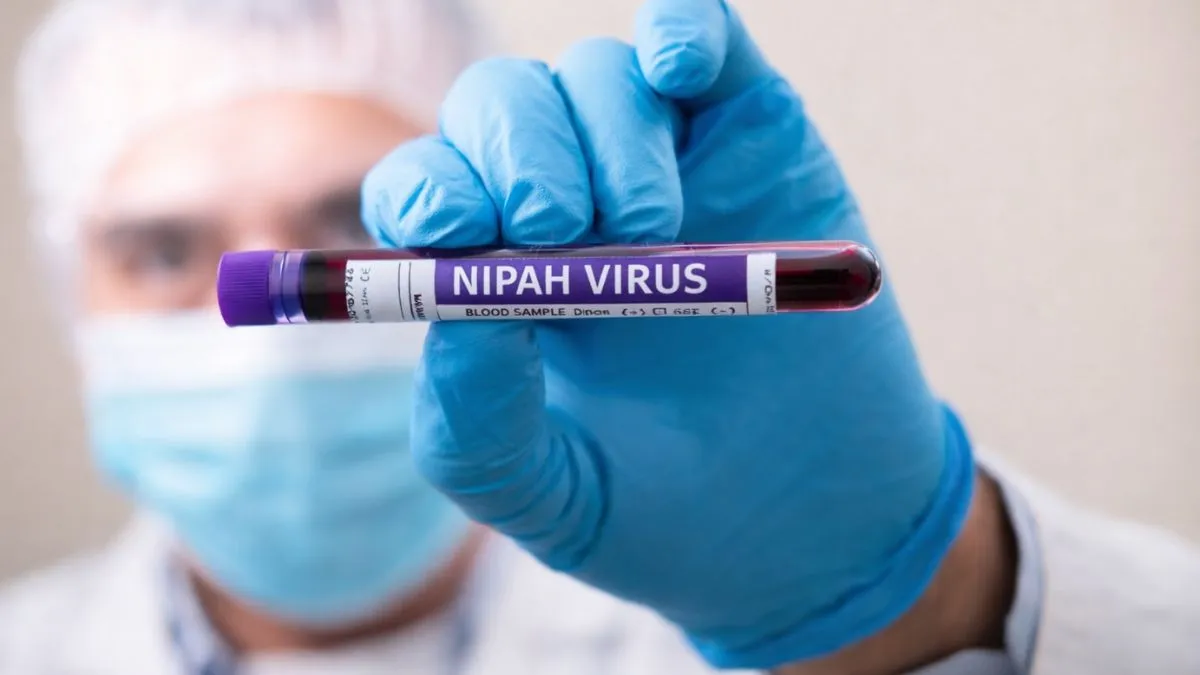
Most viral infections are familiar territory. Fever, a few uncomfortable days, some rest, and recovery. That’s how people usually think about illnesses like flu, dengue, or even COVID-19 now. But Nipah virus doesn’t follow that script. It behaves differently. And more dangerously.
Rare but severe, Nipah virus has repeatedly shown that it doesn’t give much warning. What begins like an ordinary viral illness can quickly spiral into a medical emergency. The stakes are higher, the window for action is smaller, and the consequences can be devastating if the infection is missed early. We spoke to Dr. Dip Narayan Mukherjee, Consultant – Microbiology and Infectious Diseases at CK Birla Hospitals, CMRI, to understand what truly sets Nipah apart from other viral infections.
6 ways Nipah virus is different from other viral infections
1. Nipah virus has an unusually high death rate
One of the first things that separates Nipah from most viral illnesses is its fatality rate. It’s not marginally higher. It’s dramatically higher. “Nipah virus has a mortality rate that can range anywhere between 40 and 75 percent,” Dr. Mukherjee explains. “That’s far higher than what we see with most routine viral infections.” Unlike common viruses where timely care often ensures recovery, Nipah can worsen rapidly. “Even young, otherwise healthy individuals can deteriorate very fast,” he says. “That’s why early suspicion becomes extremely important.”
2. Nipah virus targets the brain, not just the body
Most viruses attack the lungs, gut, or bloodstream. Nipah, however, has a strong preference for the brain. “This virus can directly cause encephalitis, which is inflammation of brain tissue,” Dr. Mukherjee says. “Patients may develop confusion, seizures, altered consciousness, or even slip into a coma.” It’s this neurological involvement that makes Nipah unpredictable. “Once the brain is involved, outcomes can change very quickly,” he adds. “That’s what makes this infection particularly dangerous.”
3. Early symptoms of Nipah virus can be misleadingly mild
In its initial phase, Nipah doesn’t announce itself loudly. In fact, it often looks ordinary. “Early symptoms like fever, headache, sore throat, muscle pain, or vomiting are very common,” Dr. Mukherjee says. “They closely resemble flu or other viral infections.” This similarity is risky. “Because the symptoms seem mild at first, people may delay seeking care,” he explains. “Unfortunately, that delay can allow the disease to progress to a much more severe stage.”
4. Nipah virus poses a serious risk due to human-to-human transmission
Not all viral infections spread easily between people. Nipah does. “There is clear evidence of human-to-human transmission, especially through close contact with body fluids,” says Dr. Mukherjee. “This is particularly concerning in hospital and caregiving settings.” That’s why strict precautions matter. “Isolation, infection control practices, and protective measures are crucial as soon as Nipah is suspected,” he adds. “Containment is key.”
5. No specific treatment or vaccine yet for Nipah virus
Another major challenge with Nipah is the lack of targeted medical tools. “There is currently no approved antiviral treatment or widely available vaccine for Nipah virus,” Dr. Mukherjee says. “Management is largely supportive.” This includes basic but critical care. “We focus on maintaining oxygen levels, controlling seizures, and managing complications,” he explains. “Because treatment options are limited, prevention and early detection become our strongest weapons.”
6. Nipah virus jumps from animals to humans
Nipah is not just a human virus. It begins in animals. “This is a zoonotic infection,” Dr. Mukherjee explains. “Fruit bats are the natural carriers.” Transmission can happen in unexpected ways. “Humans may get infected directly or through contaminated food, such as fruits or raw date palm sap,” he says. “This animal-to-human spillover adds a unique public health challenge.”
Why awareness about Nipah virus is crucial
Nipah outbreaks are usually localised, but their impact is intense. High mortality, brain involvement, lack of treatment, and the ability to spread between people make it fundamentally different from everyday viral illnesses. “Nipah is rare,” Dr. Mukherjee says, “but when it appears, it demands a completely different level of caution.” Recognising these differences early, reporting symptoms without delay, and following isolation protocols can save lives. And in the case of Nipah, that awareness can make all the difference.
Disclaimer: Tips and suggestions mentioned in the article are for general information purposes only and should not be construed as professional medical advice.
ALSO READ: Nipah virus outbreak in India: What is it? Know symptoms, causes, risks and prevention
