
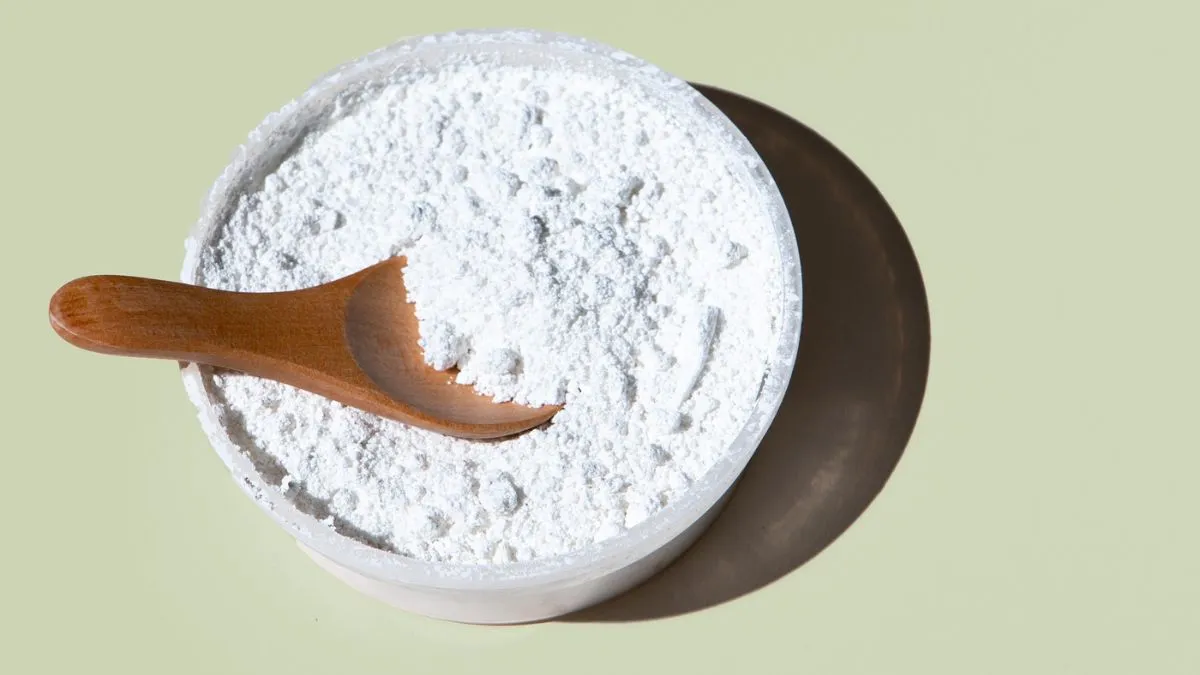
Creatine is a supplement that has been the talk of the town for quite some time now. It has become a go-to supplement for gym-goers and fitness enthusiasts. However, there have been growing myths and misconceptions about creatine.
Fitness coach Raj Ganpath in a recent Instagram video busted myths about creatine and shared a guide on how to take the supplement safely and how it works. Read on to know more.
First, what exactly is creatine?
It is a compound that is naturally produced in the liver, kidneys and pancreas, and it gives your muscles a steady flow of energy which helps them contract, especially while exercising.
You can also get a part of this from protein-rich foods like red meat, seafood and animal milk. The other part is naturally produced in the body and delivered to the muscles, brain, heart and other tissues.
Coach Ganpath said, “The point of creatine supplementation is meant to increase these levels.” Busting a very common myth, he says that creatine is not a steroid but works by boosting the body’s ability to generate force and making you stronger over time.
How does creatine work?
Coach Ganpath shares how creatine works in the body. He said, “Let's say you can do about 10 reps using some weight in an exercise without creatine. Now, when you start supplementing with creatine, you will be able to do about 12 to 13 reps. These additional 2 to three reps when you do it week after week, they add up. They accumulate and as a result, you end up becoming stronger and more powerful.”
But he also says that only taking the supplement won’t do any good and that you will have to do strength training regularly.
Is creatine safe?
“It is one of the most well-researched supplements on the planet and it has been proven to be safe repeatedly,” explains Coach Ganpath. He also shares that it can help improve strength level, muscle efficiency, irrespective of age or sex.
How to use it the right way?
Coach Ganpath says that one should start by taking 3 grams of creatine supplement any time of the day and this dosage can be increased to up to 5 grams over time. He also said, “Just make sure you're drinking enough water, which is about 30 to 40 ml per kilogram of your body weight on a daily basis.”
ALSO READ: Prostate cancer symptoms: Warning signs most people miss, how to recognise them early
