
In India, breast cancer has quietly become the most common cancer among women, surpassing cervical cancer in incidence. What was once seen as a disease of older women is now increasingly being diagnosed in younger age groups, often in their 30s and 40s.
The difference today is that detection technology and personalised therapies are rewriting what breast cancer survival and life during treatment can look like. With faster diagnosis and minimally invasive therapies, more women are not just living longer, but living well.
The changing face of breast cancer in India
Over the past decade, doctors have noticed a steady rise in breast cancer cases across both metros and smaller cities. According to the Indian Council of Medical Research (ICMR), the average age of diagnosis has dropped by nearly a decade compared to Western countries.
“We are seeing more women being diagnosed with breast cancer at a younger age, especially with aggressive subtypes like HER2+, and the overall incidence of breast cancer in India is steadily rising,” says Dr Boman Dhabhar, Director of Oncology, Fortis Hospital, Mumbai.
He explains that this rise can be linked to urbanisation, changing lifestyles, delayed childbirth, reduced breastfeeding, dietary shifts and chronic stress, all factors that influence hormonal and metabolic balance.
How early detection tech is making a difference
The good news is that India’s growing focus on early detection is paying off. From AI-powered mammograms to hand-held breast scanners and ultrasound-based portable devices, screening is becoming more accessible and less intimidating.
Newer systems can detect small tumours at an earlier stage, allowing doctors to intervene before cancer spreads. In some cases, 3D mammography (tomosynthesis) can identify malignancies that older 2D machines miss, particularly useful for younger women with denser breast tissue.
This technology shift means more women are being diagnosed when the disease is treatable, not terminal.
Personalised, targeted treatment is transforming care
Dr Dhabhar emphasises that the biggest change in recent years isn’t just earlier diagnosis, but how treatment itself has evolved.
“Targeted therapies that use a personalised approach have proven to be more efficient in treating HER2+ breast cancer than a generalised regimen,” he says.
Such treatments identify specific molecular markers in a tumour, like HER2 proteins, and use targeted drugs to block their growth. This approach improves outcomes while reducing the side effects of conventional chemotherapy.
In practical terms, it allows doctors to treat the cancer without disrupting a patient’s life entirely. “Treatment goals have expanded beyond prolonging life to preserving dignity, comfort, and normalcy,” adds Dr Dhabhar. “Patients should be able to continue their routines, spend meaningful time with family, and live fully while undergoing therapy.”
Newer therapies are changing the patient experience
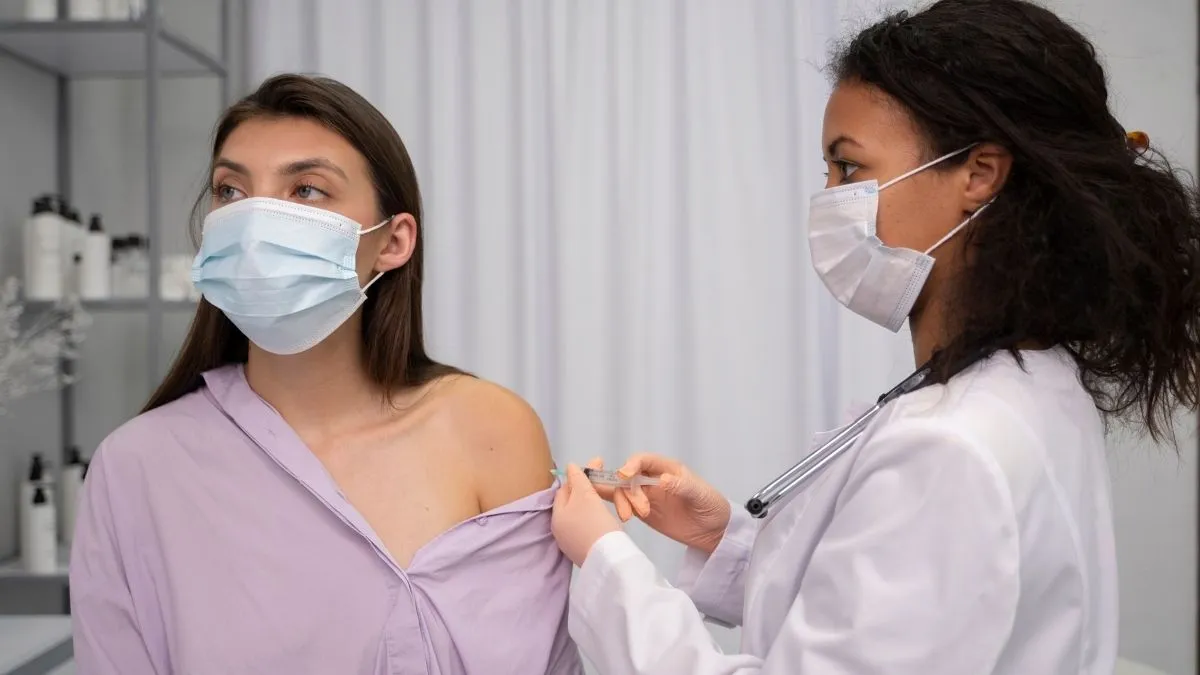
One of the most striking advancements is the shift from IV infusions to subcutaneous injections, a simple shot under the skin that delivers the same drug in minutes instead of hours.
This innovation, already used in many global oncology centres, is gaining ground in India. It allows patients to spend less time in cancer wards, reduces caregiver fatigue, and helps hospitals serve more patients efficiently.
As Dr Dhabhar notes, “These therapies save hours spent in a cancer care ward, easing strain on patients, their caregivers and on the healthcare system at large.”
What does it mean for the future
Early detection and precision medicine together represent the future of cancer care in India. Combined with awareness campaigns and government-backed screening initiatives, these technologies are closing the gap between diagnosis and recovery.
Dr Dhabhar believes this marks a shift in how we see cancer itself: “As clinicians, our responsibility is not only to treat the disease but to help patients reclaim their lives.”
In other words, survival is no longer the only goal; quality of life is.
From AI-based diagnostics to skin-level drug delivery, India’s fight against breast cancer is quietly becoming faster, kinder, and more patient-centred. The message for women everywhere is simple: early detection saves lives, and technology is making it easier than ever.
The earlier the diagnosis, the lighter the journey, not just in treatment, but in hope!
