
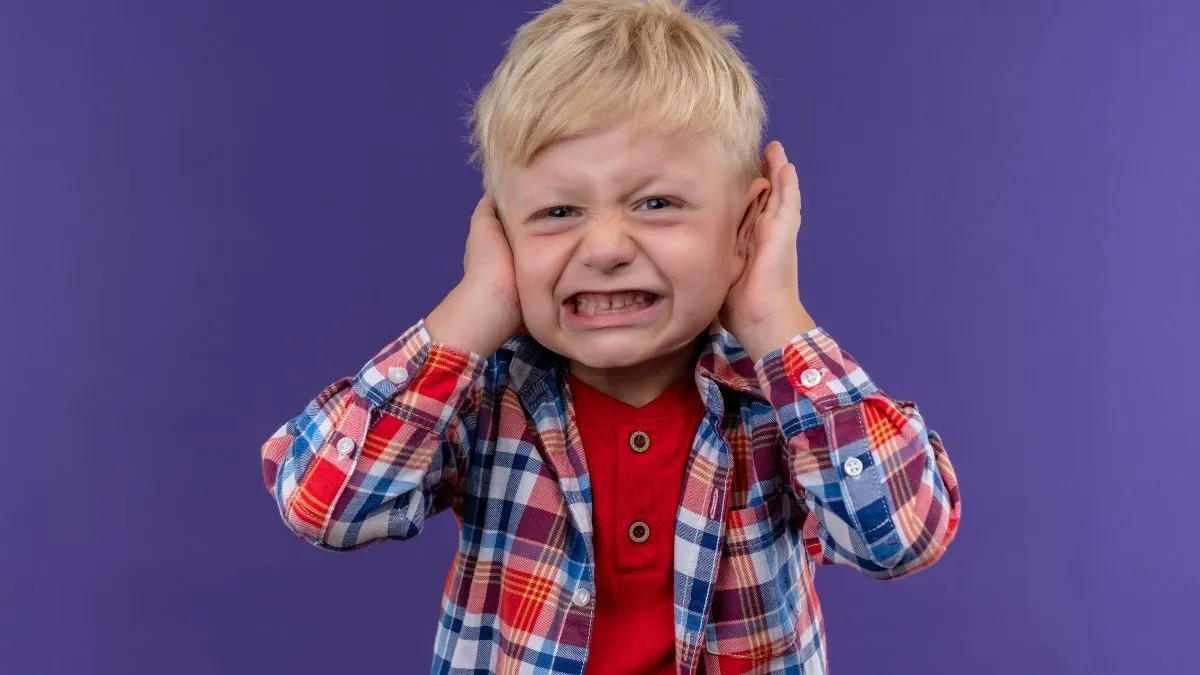
Colds are a normal part of childhood, but when every sniffle ends in ear pain, sleepless nights or temporary hearing loss, parents should pay attention. According to Dr Jyotirmay S. Hegde, HOD and Lead Consultant – ENT, Aster Whitefield Hospital, repeated colds can easily progress to one of the most common childhood conditions, and a leading reason for school absence and emergency doctor visits.
While most infections will eventually clear up on their own, untreated or recurring ear infections can lead to possible problems with hearing and even cause speech and language delay. That's why ENT specialists highlight the need for timely evaluation instead of "waiting it out."
Why do some children have repeated ear infections
The Eustachian tube is often the starting point of most problems: a small channel for draining fluid out of the middle ear. The tube is shorter and more horizontal when children are young, which makes it easier for fluid to get trapped.
If there is a cold or an allergy, this tube gets blocked, and the result is:
- fluid accumulation
- inflammation
- bacterial or viral infection
Various factors make certain children more prone:
- age below two years
- day-care exposure
- second-hand smoke
- allergies
- frequent viral infections
- anatomical issues such as enlarged adenoids
- delayed medical care
- socioeconomic factors
Together, these create a perfect environment for repeated infections to keep recurring.
Why repeated infections shouldn't be overlooked
Recurring ear infections may result in glue ear, also known as a build-up of fluid, and temporary loss of hearing. Chronic complications occasionally develop.
Dr Hegde explains that recurring hearing problems as a young child may impact:
- speech development
- social interaction
- classroom learning
- behaviour and attention
Large studies confirm this idea: children with chronic ear infections struggle most with developing early language skills; thus, early treatment is very important.
When parents should consult an ENT specialist
A specialist review is recommended if a child has:
- 3 or more infections within 6 months, or
- 4 or more in a year.
- Other warning signs include:
- trouble hearing
- ear discharge
- sleep disturbance due to pain
- constant tugging or rubbing of ears
- speech delay
- not responding to soft sounds
Initial management often involves observation, pain relief, and, when required, target treatment. If infections keep recurring, Dr Hegde notes that ENTs may consider:
- a hearing test
- addressing adenoid issues
- allergy management
- grommet insertion (ventilation tubes) to prevent fluid build-up
These steps align with modern Indian and international ENT guidelines.
How parents can reduce the risk
Small daily habits make a big difference:
- exclusive breastfeeding when possible
- keeping children away from cigarette smoke
- hand hygiene
- limiting day-care exposure during peak illness seasons
- treating allergies promptly
- ensuring flu and pneumococcal vaccinations
Parents should also watch for subtle hearing changes, such as needing higher TV volume, unclear speech, or not responding consistently.
Repeated colds that “settle in the ears” aren’t just minor childhood troubles. Early attention today protects your child’s hearing and confidence for years to come.
Also read: Preterm baby care at home: Feeding, sleep and safety tips for parents
