
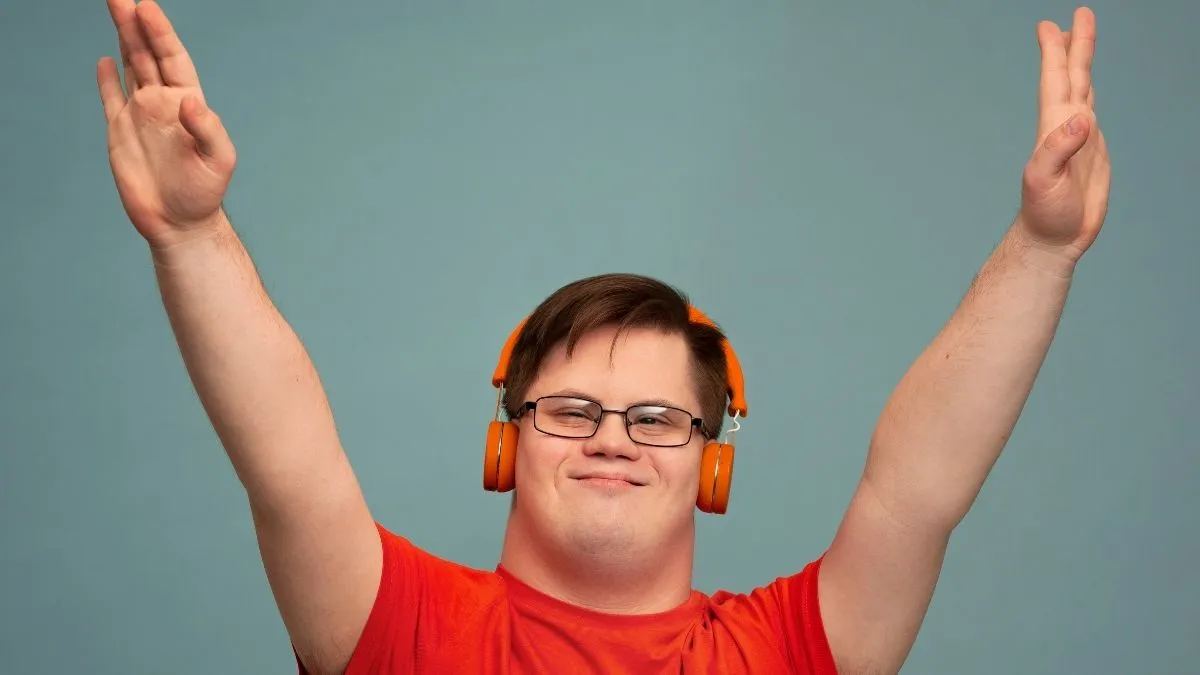
Even as awareness about neurodiversity, the concept that everybody is different in their thinking, learning and interacting with the world, seems to be growing, a stigma still envelops Down syndrome. Especially in India where we like mixing up a bit of mumbo-jumbo around science when it comes to Down syndrome. From the myth that kids with Down syndrome “can’t learn” to beliefs about their emotional or social capacity, these myths are frustratingly pervasive.
To understand what the truth is, we had a chat with Dr Vikas Deshmukh, Consultant Psychiatrist at Manovikas Clinic, Vashi and Apollo Hospital, Belapur; Dr (Miss) Sumit Grover, Psychologist and Life Coach; and Dr Meena J., Senior Consultant- Paediatrics & Neonatology, Aakash Healthcare. Based on decades of experience working with people with Down syndrome and their families, the experts provide an unwavering assessment of what really shapes the emotional lives of people with the condition.
Down syndrome myths that still exist in India
Myth 1: "People with Down syndrome don't feel emotions deeply"
Truth: They tend to feel emotions more intensely than most of us.
“Over the years, I’ve worked with several individuals with Down syndrome and their families, and one thing stands out, their incredible emotional warmth,” says Dr Deshmukh. He explains that many individuals with Down syndrome have heightened emotional awareness. They sense others’ moods and reactions intuitively, which makes them exceptionally empathetic, but also more sensitive to rejection, stress, or tension in their environment. In families that nurture open communication and routine, this emotional intelligence becomes a strength, not a struggle.
Myth 2: “They’re always cheerful and happy”
Truth: They experience the full range of human emotions, including sadness, anxiety, and depression.
“I’ve seen parents struggle to understand sudden mood changes or withdrawal in their child,” Dr Deshmukh notes. “They often don’t realise it could be a sign of underlying anxiety or depression.” This "eternally happy" stereotype actually does damage to the person with Down syndrome by discounting their actual feelings. Identifying a change in behaviour and getting timely psychological intervention can make a huge difference.
Dr Grover adds, "While many individuals with Down syndrome are affectionate and friendly, they experience the full range of human emotions, joy, anger, sadness, frustration, and excitement. Assuming they are always happy oversimplifies their emotional lives and denies their individuality."Myth 3: "Therapy doesn't help much, it's just part of the condition"
Truth: With gentle therapy, organisation, and empathy, mental health issues can mend wonderfully.
Dr Deshmukh emphasises how regular routines, expressive therapies, and the inclusion of families are usually vital. "With patient communication and support, anxiety or behavioural challenges can resolve significantly," he explains. From art therapy to social skills training and organised daily routines, little shifts quite often release tremendous gains in confidence and calm.
Myth 4: "People with Down syndrome can't live independently or work"
Reality: Many do, if they are afforded inclusion, training, and trust.
All over India, Down syndrome are succeeding in the workplace, performing arts, sports, and social businesses. The problem, according to Dr Deshmukh, isn't their potential; it's whether society wants to see it. "When they're recognised as capable people instead of being defined by a label, they respond beautifully," he says. "They just need acceptance and opportunity."
Myth 5: "Mental health care for them isn't necessary"
Truth: It's important, not for controlling 'illness', but for cultivating expression and self-esteem.
Dr Deshmukh clarifies that treatment must aim at communication, social interaction, and emotional development. "It's about making them express themselves, create relationships, and feel respected," he states. It's a model that reimagines care not as repair, but celebration, empowering people with Down syndrome to live more complete, more joyful lives.
Myth 6: Down syndrome is rare or untreatable
According to Dr Meena, "The commonest myth is that Down syndrome is rare or untreatable. It is, in fact, one of the most prevalent chromosomal conditions in the world, occurring at an approximate rate of one in every 700 births. The other myth is the belief that older mothers are the only ones who give birth to babies with Down syndrome. Although the probability grows with the maternal age, a high proportion of children with the condition are born to mothers who are younger than 35, because young women give birth to a higher number of children. Therefore, maternal age is a determinant, but not the only one."
As Dr Deshmukh so eloquently states, "Every individual with Down's syndrome that I have met has reminded me that emotional intelligence and happiness can cut through any label, if only we wish to see it." In a nation still playing catch-up when it comes to inclusion, maybe the transformation starts with empathy, recognising Down syndrome is not a limitation, but just one of several ways to be human.
Also read: Kim Kardashian opens up about her brain aneurysm: What it means and why it matters
