
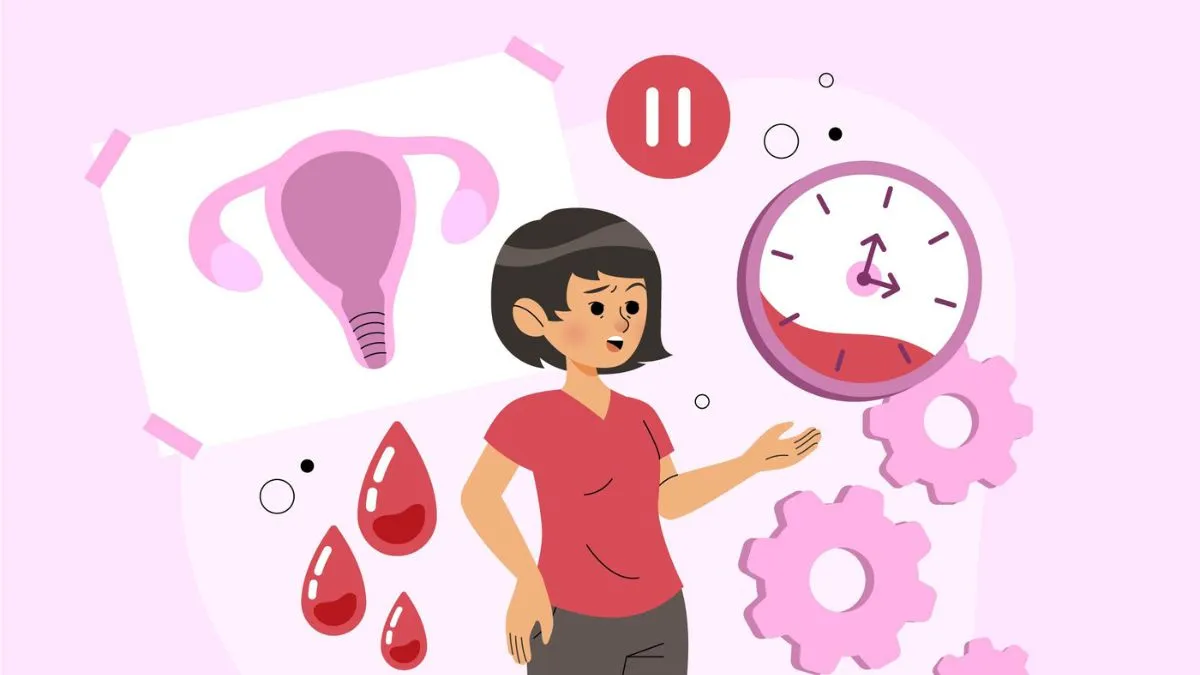
For many years, fertility issues were almost considered to be the domain of women in their late 30s and 40s. However, doctors in India have noticed that this is changing. Today, younger women in their 20s and 30s are increasingly being diagnosed with Diminished Ovarian Reserve, or DOR, signalling that their fertility window is being quietly shortened, often with none of the classic symptoms.
According to Dr Apurva Satish Amarnath, Fertility Specialist at Nova IVF Fertility, Kammanahalli, Bengaluru, this trend is becoming hard to ignore. “We are seeing a growing number of young women with low ovarian reserve, low AMH levels and irregular menstrual cycles,” she says, adding that the pattern is far more common today than it was even a decade ago.
What exactly is ovarian reserve?
The ovarian reserve of a woman is the number and quality of eggs in the ovaries. Unlike other cells in the body, the egg cells are not produced regularly. All the eggs a woman will ever have are produced at the time of her birth, and the ovarian reserve gradually reduces as one ages. In most females, the noticeable reduction in the ovarian reserve happens in the late 30s or early 40s. When this decline happens much earlier, it is referred to as early ovarian ageing or diminished ovarian reserve, a condition that can significantly affect fertility planning.
Why are doctors concerned about younger women?
What makes diminished ovarian reserve particularly challenging is that it often develops without symptoms. Many women feel healthy, maintain regular routines, and assume their fertility is intact, until they actively start trying to conceive. Clinically, fertility specialists report that 30–35% of infertility cases they now see involve women with low ovarian reserve. In extreme cases, this can progress to premature ovarian insufficiency, where ovarian function stops altogether.
By the time symptoms such as irregular periods appear, the egg reserve may already be significantly reduced.
Misdiagnosis and delayed detection
One of the biggest challenges, Dr Amarnath explains, is that irregular menstrual cycles are often misattributed to PCOS, especially in younger women. While PCOS is common, assuming every cycle irregularity falls under that umbrella can delay the correct diagnosis. “Ovarian reserve issues are usually identified through specific tests like AMH blood levels or ultrasound-based antral follicle count (AFC),” she says. “Without these tests, diminished reserve can easily be missed.”
A case that offers hope and perspective
Despite the seriousness of the condition, Dr Amarnath shares a case that highlights why individualised evaluation matters. A 26-year-old woman with severely diminished ovarian reserve was advised elsewhere to consider donor eggs. However, a careful assessment revealed the presence of a single mature follicle.
That single egg was retrieved, fertilised and successfully implanted, resulting in a healthy pregnancy and live birth. “This case is a reminder that fertility is not just about numbers,” she says. “Even one viable egg, if identified and managed at the right time, can lead to a successful outcome.”
Why early fertility check-ups matter
The growing incidence of early ovarian reserve decline has also led to a rise in secondary infertility, where women struggle to conceive a second child after an earlier successful pregnancy.
Given the present scenario, physicians strongly advise early fertility assessments, particularly for women with irregular cycles, unexplained delays in conception, or those planning pregnancy later in life. A simple assessment will help the couple know where they stand and make an informed decision, whether it relates to timing, medical support, or fertility preservation.
As Dr Amarnath emphasises, “Fertility care works best when it is proactive, personalised and informed. Early evaluation gives women options, and options are empowering.”
Disclaimer: Tips and suggestions mentioned in the article are for general information purposes only and should not be construed as professional medical advice. Always consult your doctor or a dietician before starting any fitness programme or making any changes to your diet
Also read: Severe period pain is not always normal: What Lili Reinhart’s endometriosis diagnosis teaches us
