
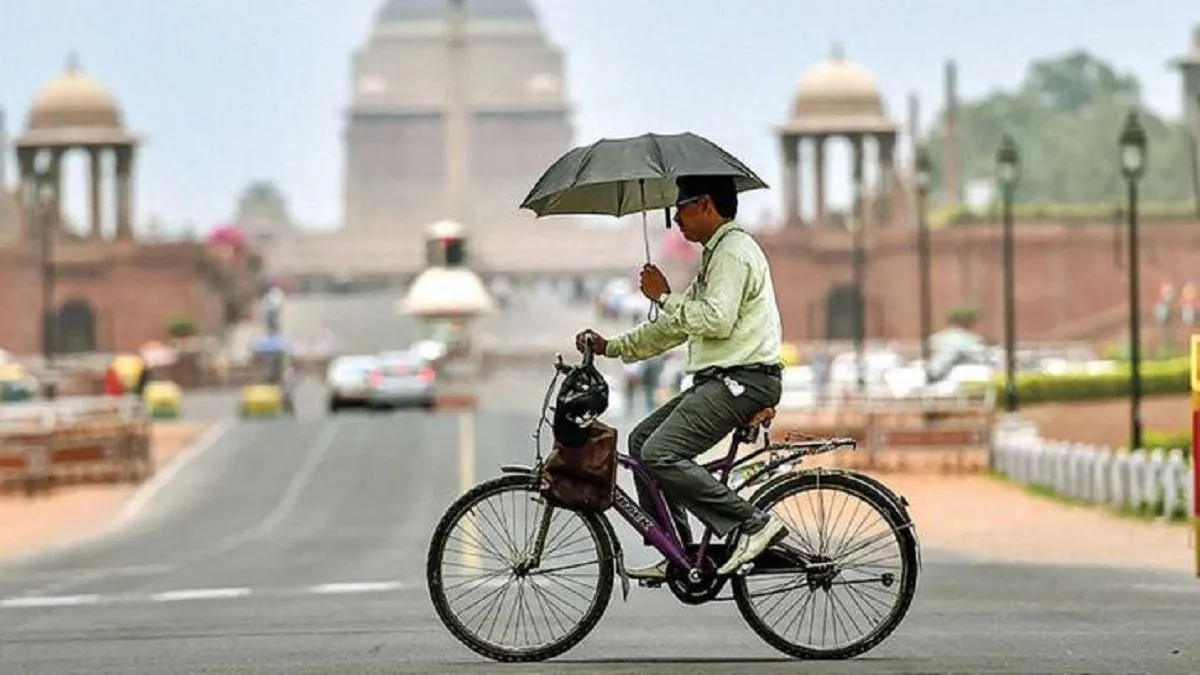
Delhi-NCR hasn’t eased into summer this year. The heat has landed early and it has landed hard. Temperatures are already brushing past 41 to 42°C, and stepping outside feels sharp, almost hostile at times.
With conditions like this settling in, we reached out to Dr. Rakesh Pandit, Senior Consultant & HOD, Internal Medicine, to understand what really matters right now. From red flags to everyday habits, his guidance cuts through the noise. Simple. Practical. And very relevant.
Signs that may indicate heatstroke
“In extreme heat, people often ignore early signs, which can be dangerous,” the doctor cautioned.
The key warning signs that need immediate medical attention include:
- High body temperature above 40°C with hot, dry skin
- Confusion, dizziness or fainting
- Persistent vomiting or inability to drink fluids
“These symptoms may indicate heatstroke, which is a medical emergency and can be life-threatening if not treated promptly,” he warned.
How much water you actually need during a heatwave
Hydration is where most people fall short. And it shows.
“During a heatwave, hydration needs increase significantly,” he pointed out. “An average adult should aim for 3 to 4 litres of fluids per day, including water, ORS, coconut water, and buttermilk.”
For those outdoors, the need goes up. “Those working outdoors may require 4 to 5 litres or more,” he clarified. He also underlined one habit people tend to ignore. “Don’t wait for thirst, drink small amounts every 20 to 30 minutes,” he advised.
He also flagged what not to do. “Avoid excessive caffeine and alcohol as they can worsen dehydration,” he added.
What to do immediately if someone overheats
“If someone shows signs of overheating, immediate action is critical,” he stressed.
His guidance is clear and step-by-step:
- Move the person to a cool or shaded place
- Remove excess clothing
- Apply cold compresses to the neck, armpits, and groin
- Use cool water sponging or a fan
- Give ORS or water if the person is conscious
He issued a firm warning here. “Never give fluids if the person is unconscious. In such cases, rush to the nearest hospital immediately,” he instructed.
Symptoms you can manage at home vs those you should not ignore
Not everything calls for panic. But some things do need quick attention.
“Milder effects of heat can usually be managed with rest, proper hydration, ORS, and cooling,” he explained.
Symptoms that can be managed at home:
- Mild headache
- Slight weakness or fatigue
- Light sweating
- Mild dehydration
He then drew a clear boundary. “If the condition worsens, it is important to seek medical help without delay, as it may be progressing toward heatstroke,” he cautioned.
Symptoms that should not be ignored:
- Continuous vomiting
- Severe headache or confusion
- No sweating despite heat
- Muscle cramps that don’t improve
- Rapid pulse or breathing
Simple daily habits to prevent heat-related illness
“Prevention is always better than treatment,” he remarked. “Simple lifestyle changes can significantly reduce risk.”
His advice stays grounded:
- Avoid stepping out between 12 pm and 4 pm
- Wear loose, light-coloured cotton clothes
- Stay hydrated throughout the day
- Include seasonal fluids like lemon water and coconut water
- Eat light meals and avoid heavy, oily food
- Never leave children or elderly in parked vehicles
He also highlighted vulnerable groups. “Special care should be taken for elderly, children, and people with chronic illnesses, as they are more vulnerable,” he noted.
The heat right now is not mild. And it’s not forgiving either. Small steps, done consistently, can quietly prevent something serious.
Disclaimer: Tips and suggestions mentioned in the article are for general information purposes only and should not be construed as professional medical advice. Always consult your doctor or a dietician before starting any fitness programme or making any changes to your diet.
