
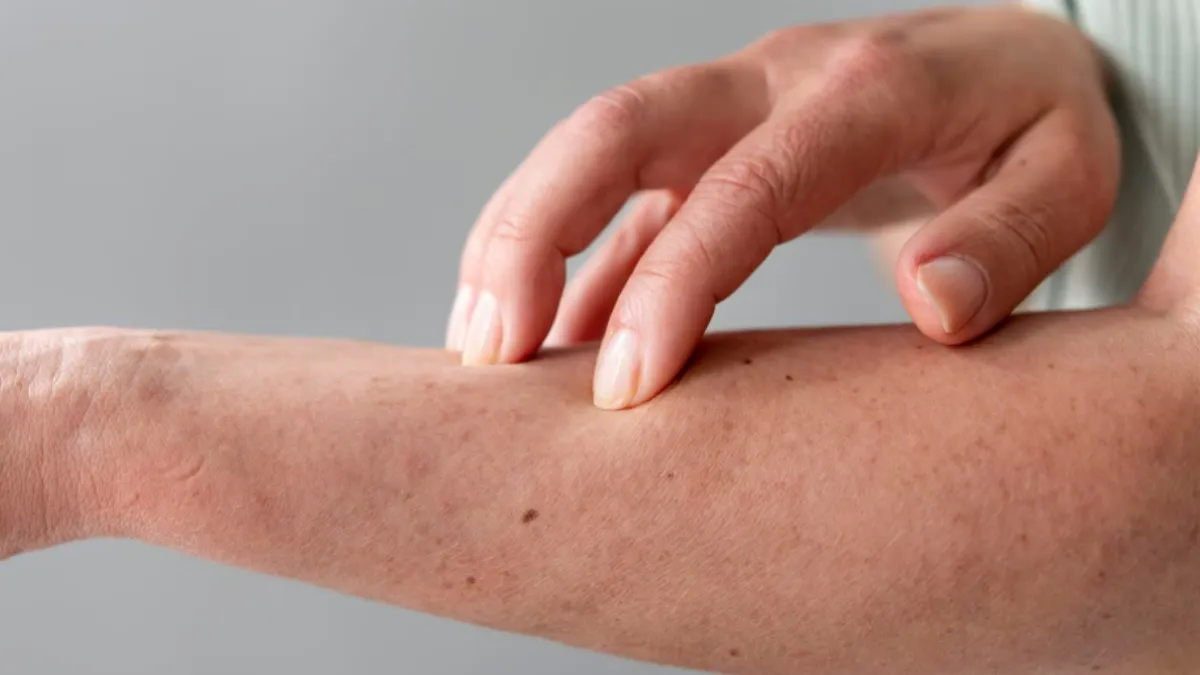
Chronic dry skin occurs when a person's skin continues to feel dry even after using regular moisturisers. Proper maintenance of dry skin is dependent upon both outside care and inside balance.
When dryness of the skin persists despite normal skin care habits, it is necessary that a doctor perform an evaluation along with further testing to rule out systemic problems that may be causing chronic dryness.
Persistent dry skin may signal internal issues: Tests you should get
1. Thyroid test: A key check for persistent dryness
According to Dr Shefali Mahlawat, Department of Dermatology, NIIMS Medical College & Hospital, Greater Noida, the most important test for chronic dry skin would be evaluating thyroid function (T3, T4 and TSH levels). Hypothyroidism is a common cause of dry, thickened, flaky or scaly skin from decreased skin cell regeneration, reduced oiliness and perspiration, along with symptoms of fatigue, increased weight gain, thinning hair, and feeling cold easily. Therefore, it is imperative to evaluate thyroid function in these patients.
2. Blood sugar tests to rule out diabetes-related skin issues
One of the most critical laboratory tests for dry skin conditions is blood sugar testing, which consists of fasting glucose testing and HbA1c testing. Diabetes that has not been treated properly can result in global effects on blood circulation and skin hydration.
The combination of these two factors causes dryness of the skin, itchiness, and delayed wound healing. In addition, when monthly dry skin is present with excessive thirst, increased urination, or recurrent urinary tract infections (UTIs), then diabetes screening should occur.
3. Vitamin D, B12 and iron tests for skin barrier health
Skin health may be severely affected by vitamin and mineral deficiencies. Individuals who are deficient in vitamin D and vitamin B12 suffer a poor skin barrier that is less capable of protecting the individual from the environment, and will often experience an increase in dried-out skin, increased sensitivity, and pigmentation abnormalities when they are exposed to environmental conditions that create these problems.
Iron studies should also be performed on people with dry skin accompanied by signs of fatigue, pallor, or hair loss. Lack of iron reduces the amount of oxygen that the skin receives, resulting in the appearance of dry, dull, and fragile skin.
4. Lipid profile and essential fatty acids explained
A lipid panel provides insights into both the amount of 'good' (HDL) cholesterol and the quantity of 'bad' (LDL) cholesterol present in your body, and helps to assess the amount of essential fatty acids in your body as well. An essential fatty acid (EFA) balance is required to maintain a healthy lipid barrier on your skin. If the lipid barrier doesn’t function properly, your skin may experience dryness or have a dry skin condition.
5. Kidney and liver function tests for unexplained itching
There are additional causes for dryness, including swelling, jaundice, and changes in urine production. If the kidneys and liver aren’t functioning optimally, toxins will build up in your body, leading to excessive dryness of the skin, as well as itching from these toxins. Therefore, testing for their function can help you identify whether or not your dry or itchy skin is related to your kidney or liver dysfunction.
When allergy testing is needed for eczema and dermatitis
Eczema or Dermatitis have difficulty managing their skin condition through traditional means, and allergy testing may provide helpful insight into what allergens cause their flare-ups. Knowing your specific allergens will assist in lowering the frequency and severity of outbreaks.
What treating the root cause means for long-term skin health
In addition, if someone has had dry skin for long periods of time, there would usually be an underlying issue that should be evaluated, as resolving this underlying issue would help them achieve greater improvement in their skin condition. In addition to treating the external surface of the skin, it is also crucial to treat internal aspects of the skin to have a successful maintenance of healthy skin and a healthy overall system.
Disclaimer: Tips and suggestions mentioned in the article are for general information purposes only and should not be construed as professional medical advice. Always consult your doctor or a dietician before starting any fitness programme or making any changes to your diet.
ALSO READ: Frequent mood swings? These medical tests can help find the real cause
