
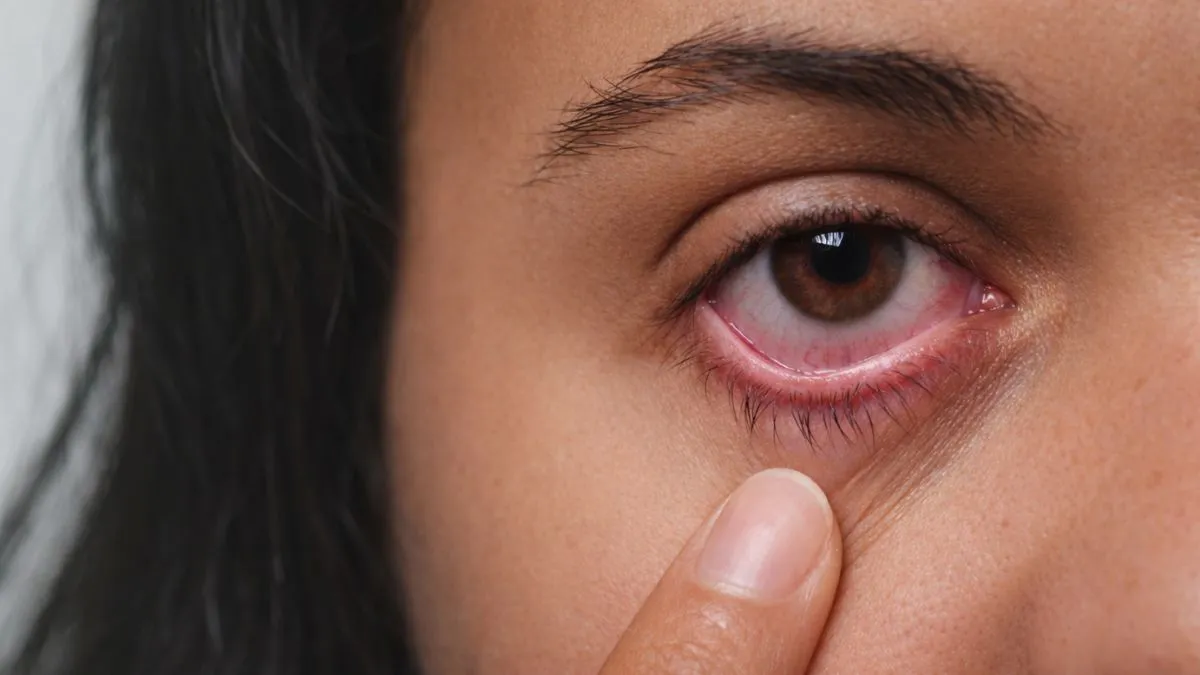
Glaucoma is often considered an age-related eye disease. But ophthalmologists warn that this assumption can be dangerous. While glaucoma is more common with age, it can occur at any stage of life, including infancy, childhood, adolescence, and early adulthood, and often goes undetected until vision is already compromised.
“Glaucoma is not a single disease,” says Dr Pradeep Balam, Consultant – Glaucoma at Sankara Eye Hospital, Hyderabad. “It is a group of eye disorders that damage the optic nerve, usually due to raised eye pressure or impaired blood flow. Age increases risk, but it does not provide immunity.”
How glaucoma affects younger age groups
In children, glaucoma is most commonly congenital or developmental. It is usually linked to abnormal formation of the eye’s drainage system, which leads to increased intraocular pressure from an early age.
“Childhood glaucoma may present with signs like enlarged eyes, excessive tearing, light sensitivity, or a cloudy cornea,” Dr Balam explains. “Early diagnosis is critical because untreated glaucoma in children can lead to permanent vision loss.”
Among teenagers and young adults, glaucoma is more often secondary or inherited. Genetic predisposition plays a significant role, but other factors can also increase risk.
“In younger patients, we frequently see glaucoma associated with high eye pressure, severe short-sightedness, previous eye injuries, prolonged steroid use, or systemic conditions such as diabetes and hypertension,” says Dr Balam.
Why is early-onset glaucoma often missed
One of the biggest challenges with glaucoma, especially in younger people, is that it is largely asymptomatic in its early stages. Vision loss usually begins at the periphery and progresses slowly inward, without pain or obvious warning signs.
“Because early glaucoma doesn’t affect central vision, people don’t realise anything is wrong until significant damage has already occurred,” Dr Balam says. “By then, the loss is irreversible.”
The misconception that glaucoma is an “older person’s disease” often leads to delayed eye examinations in younger adults, even when risk factors are present.
“This delay is concerning,” he adds, “because while we cannot reverse optic nerve damage, we can slow or stop progression if glaucoma is detected early.”
Who should be extra cautious?
Doctors stress that age should not determine whether someone gets their eyes checked. Individuals with a family history of glaucoma, high refractive errors, long-term steroid use, or systemic illnesses should undergo regular comprehensive eye examinations regardless of how young they are.
“Routine eye exams that include eye pressure measurement and optic nerve evaluation are essential for at-risk individuals,” Dr Balam says. “Glaucoma does not discriminate based on age, only on whether it is detected in time.”
Glaucoma may be uncommon in young people, but when it occurs, the consequences can be lifelong if missed. Awareness, timely screening, and regular eye check-ups remain the strongest tools for preserving vision. “Glaucoma is a silent disease,” Dr Balam says. “Catching it early is the difference between preserved sight and irreversible vision loss.”
Disclaimer: Tips and suggestions mentioned in the article are for general information purposes only and should not be construed as professional medical advice. Always consult your doctor or a dietician before starting any fitness programme or making any changes to your diet
Also read: From screens to sleep: These everyday habits could be damaging your eyesight
