
India’s Union Budget 2026–27 has allocated Rs 1,06,530.42 crore to the Ministry of Health and Family Welfare, marking an increase of nearly 10 per cent over the revised estimates for 2025–26.
Presenting the budget in Parliament, Finance Minister Nirmala Sitharaman noted that this allocation represents a cumulative rise of more than 194 per cent compared to the health budget of 2014–15. The allocation includes Rs 4,821.21 crore for the Department of Health Research and signals a continued emphasis on strengthening healthcare delivery, infrastructure, research and access across the country.
The steady rise in public health spending over the past decade has allowed the government to move beyond short-term measures and focus on building systems with long-term impact. Three areas highlighted in the budget point to this structural shift: the expansion of digital health services, a renewed focus on mental health institutions, and efforts to turn emergency systems developed during the COVID-19 pandemic into permanent parts of the public health system.
Digital health systems gain ground
The budget has allocated Rs 350 crore to the Ayushman Bharat Digital Mission for 2026–27, an increase of nearly 8 per cent over the previous year. This funding will be used to strengthen digital health records, improve coordination between hospitals and healthcare providers, expand telemedicine services and support integrated hospital information systems.
The push for digital health aims to make healthcare more seamless for patients. Easier access to health records across facilities and greater use of remote consultations are seen as ways to improve continuity of care and reduce delays, particularly for those who require ongoing treatment or live far from major hospitals.
Mental health moves into the mainstream
Mental healthcare has received renewed attention in the current budget. The government has announced the upgradation of premier mental health institutions in Ranchi and Tezpur. In addition, a new National Institute of Mental Health and Neurosciences is proposed in North India to expand specialised care, training and research.
These measures reflect a growing recognition of mental health as a core component of public healthcare. By strengthening existing institutions and planning new ones, the budget aims to improve access to mental health services and build specialist capacity in regions that have historically lacked such facilities.
COVID-era emergency care becomes permanent
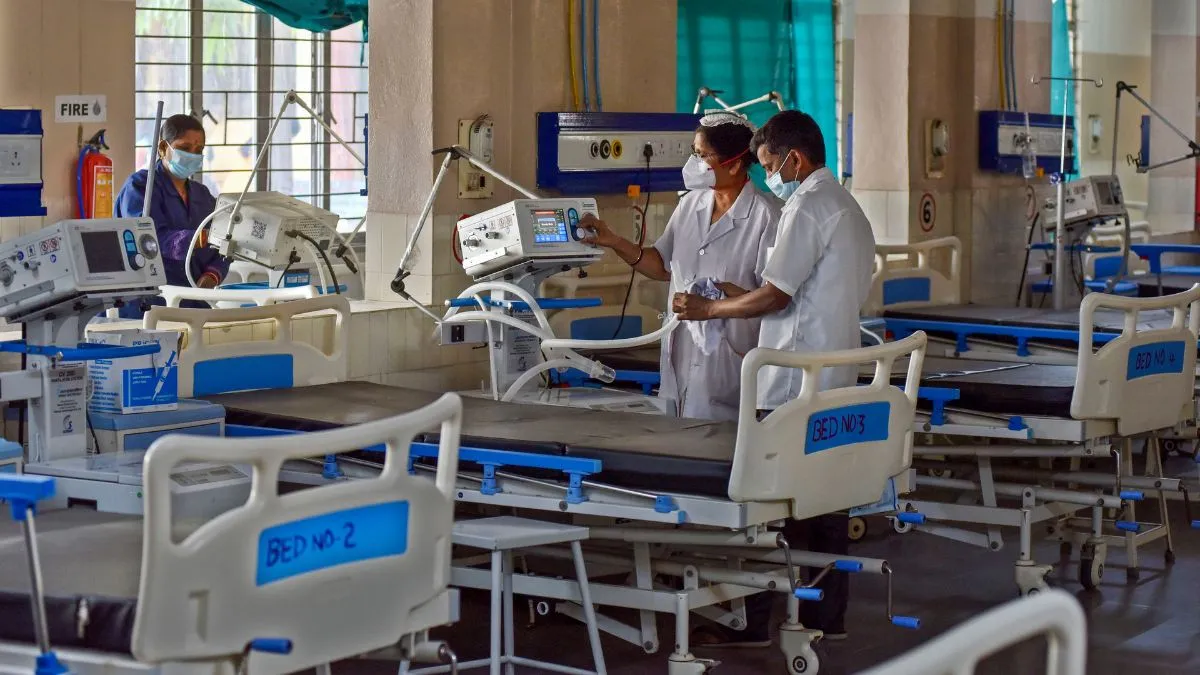
One of the key health announcements in the budget is the plan to establish Emergency and Trauma Care Centres in every district hospital across the country. These centres are intended to provide round-the-clock emergency services that are affordable and accessible to local populations.
The move builds on systems and capacities developed during the COVID-19 pandemic, ensuring that emergency preparedness does not fade once a crisis passes. By embedding emergency and trauma care within district hospitals, the government is seeking to make timely critical care a routine part of public health services rather than a temporary response.
ALSO READ: WHO backs India’s handling of Nipah outbreak, says travel and trade curbs not needed
