
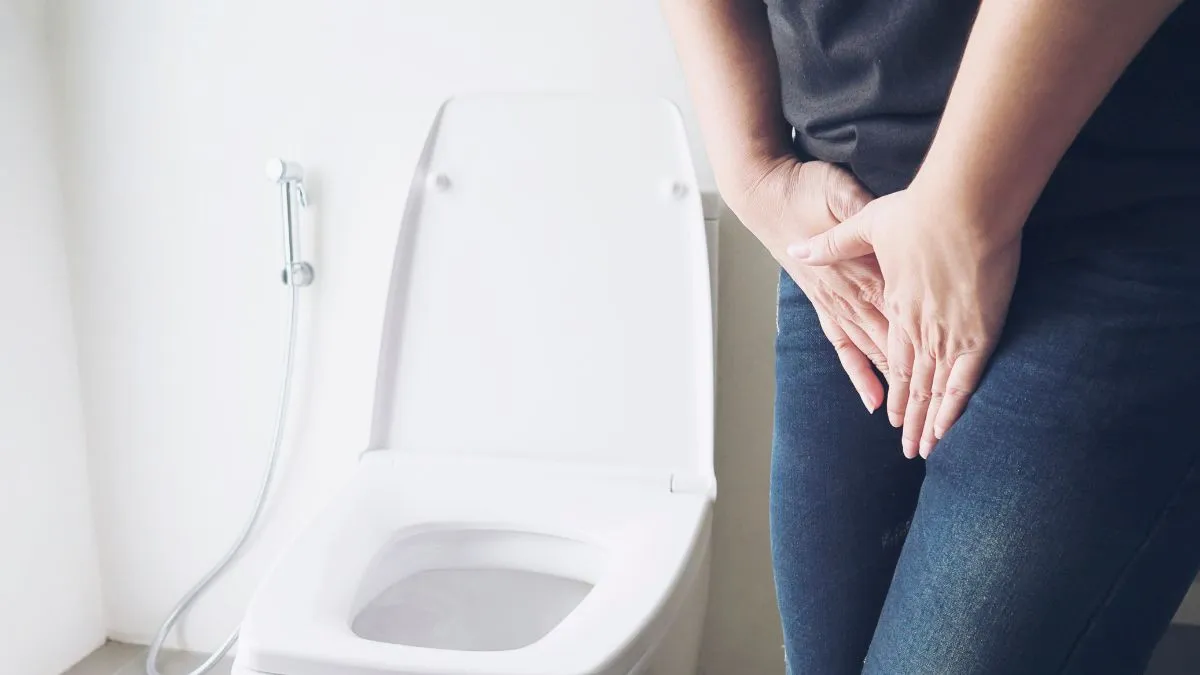
Bladder issues rarely announce themselves with drama. They begin quietly, a little urgency, a weaker stream, discomfort that shows up at inconvenient times, until they start shaping daily routines. And while both men and women face urinary problems, the reasons behind those symptoms can be strikingly different.
Let's break down the anatomy, hormones, lifestyle triggers and treatment pathways that diverge across genders. This will help you to recognise the early warning signs and seek the right care at the right time.
Anatomy sets the stage for bladder differences
According to Dr Piyush Tripathi, Associate Director–Urology at Regency Health, Kanpur, structure alone explains why women tend to experience certain urinary conditions earlier and more frequently than men.
Women’s shorter urethra increases UTI risk
Women have a much shorter urethra, which makes urination easier but allows bacteria a quicker path to the bladder. This is why urinary tract infections are significantly more common among women.
Men’s prostate is the pressure point
For men, the prostate sits just below the bladder, wrapped around the urethra like a ring. As it enlarges with age, even mildly, it can narrow the urinary passage, leading to:
- Weak urine flow
- Frequent nighttime urination
- A feeling of incomplete emptying
Prostate-related obstruction becomes the most common cause of bladder symptoms in older men. Hormones shape women's bladder health, prostate shapes men's bladder health.
Women’s hormones directly influence bladder function
Oestrogen keeps the bladder and urethral tissues strong, elastic and infection-resistant. After menopause, falling oestrogen levels can weaken these tissues, leading to urgency, recurrent infections and stress incontinence, especially for women whose pelvic floor has already been affected by childbirth.
Prostate, not hormones, key to change in men
Male hormones have much less direct influence on the bladder. Rather, age-related enlargement of the prostate becomes the chief factor, creating increasing resistance to urine flow and gradually fatiguing the bladder muscle.
Different timelines: Women earlier, men later
For women, with pregnancy, childbirth, and hormonal changes throughout the menstrual cycle, problems often start much earlier in life. Overactive bladder, incontinence, and pelvic floor weakness can all start young-and will get worse if not treated.
The symptoms are usually noticed by men after 50, as it is the age when the enlargement of the prostate becomes more obvious. Years of neglect of symptoms can eventually result in bladder stretching, weakening, and even urinary retention.
How lifestyle habits are affecting men and women differently.
Certain behaviours affect bladder health differently for each gender:
For Women
Also, pelvic stress related to childbirth, chronic constipation, and weight changes may aggravate urinary symptoms.
For men
Prostate problems may be exacerbated by smoking, high alcohol intake, and unmanaged metabolic disorders.
Shared habits that harm both
Insufficient hydration, excess caffeine, prolonged periods of sedentary positions, and holding urine for too long will naturally disrupt bladder function regardless of sex.
Diagnosis and treatment should be gender-specific.
Medical evaluation cannot be a one-size-fits-all type because causes differ.
For Women
Examination by doctors generally includes an assessment of pelvic floor strength, patterns of infection, hormonal influences, and history of childbirth. Treatments may include pelvic physiotherapy, hormone support, or medications for an overactive bladder.
For men
Exams may involve prostate evaluation, urine flow studies and scans to check for obstruction. Solutions range from prostate-relaxing medications to minimally invasive procedures if required.
Bladder symptoms may look identical in men and women, but the underlying biology is rarely the same. Understanding these gender-specific patterns is the first step toward timely care and long-term comfort.
Disclaimer: Tips and suggestions mentioned in the article are for general information purposes only and should not be construed as professional medical advice. Always consult your doctor or a dietician before starting any fitness programme or making any changes to your diet.
Also read: Male fertility and ageing: Doctor explains how sperm changes after 35
