
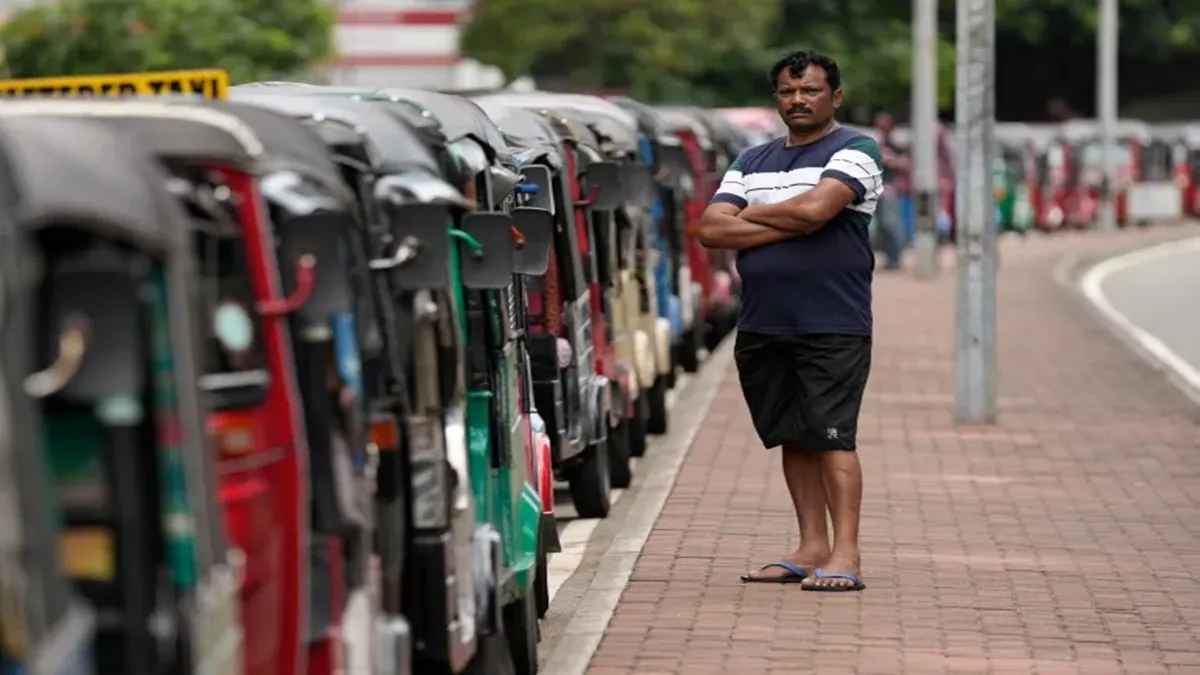
The escalating conflict in the Middle East, involving the US, Israel and Iran, has pushed global energy markets into a state of deep uncertainty. With vital oil routes disrupted, including the Strait of Hormuz, shipping risks rising and crude prices fluctuating sharply, the ripple effects are now being felt across the world. The Middle East's geopolitical tensions have forced oil tankers to reroute, increased insurance premiums and triggered delays in supply chains that were already strained. As global traders anticipate further instability, fuel-importing nations are experiencing a surge in procurement costs at a time when their economies are still recovering from past shocks.
For South Asian nations that rely heavily on imported fuel, the crisis is particularly severe. Countries like Sri Lanka, Nepal and Bangladesh are grappling with heightened pressure on foreign reserves, rising domestic inflation and an urgent need to manage supply shortages. With essential sectors like transport, agriculture and manufacturing dependent on uninterrupted fuel access, these nations have been forced to implement tough measures ranging from reduced work weeks to strict rationing. The crisis has prompted a wave of austerity policies and emergency planning that highlight the region's vulnerability to international energy shocks. As the conflict continues without a clear resolution, fuel insecurity has become a central economic and governance challenge for South Asia.
Sri Lanka: Shorter work weeks and tough rationing
Sri Lanka, still recovering from a historic economic collapse, has rolled out aggressive conservation measures to manage dwindling fuel stocks. The government has reduced public sector work weeks to curb daily fuel consumption and encouraged remote working wherever possible.
As per reports, the country has shifted to a four-day work week to curb fuel usage and prevent a renewed energy crunch. Meanwhile, people continue to rely on a QR-code-based rationing system, which limits petrol and diesel distribution per vehicle each week. Public transport has been prioritised while private mobility faces restrictions. High global prices have put additional strain on Sri Lanka's fragile foreign reserves, leaving the government with limited room to absorb rising import costs. These steps aim to stabilise fuel availability and prevent long queues and social unrest that marked last year's crisis.
Nepal: Limiting vehicle use and enforcing conservation
Nepal, which imports all its petroleum products from India, has been hit hard by rising global costs and supply instability. The government has implemented fuel-saving directives across ministries and restricted the use of government vehicles to essential duties. Plans to impose an odd-even rule on private vehicles, depending on the severity of the crisis, are also under discussion. Nepal has urged citizens to adopt energy-efficient practices and reduce non-essential travel. With tourism and transport heavily dependent on fuel, the impact of rising prices is beginning to spill into the broader economy. Authorities said they are working closely with India to ensure steady supply, but long-term vulnerability remains a concern.
Bangladesh: Austerity drive to shield economy
Bangladesh has embarked on a comprehensive austerity campaign to manage the rising burden of fuel imports. Government offices now observe shorter working hours and air conditioning limits with an aim to cut electricity and fuel consumption. Officials have stopped non-essential foreign trips to reduce spending. Diesel-based power plants have been asked to operate below capacity, increasing reliance on alternative energy sources. Public transport is being prioritised over private travel to ensure that essential services function smoothly. As per reports, Bangladesh is also facing pressure to maintain industrial output despite higher energy costs, forcing the government to strike a delicate balance between fiscal control and economic continuity.
ALSO READ: Pakistan reels under financial crisis amid ongoing war, cancels national day parade to save fuel
