
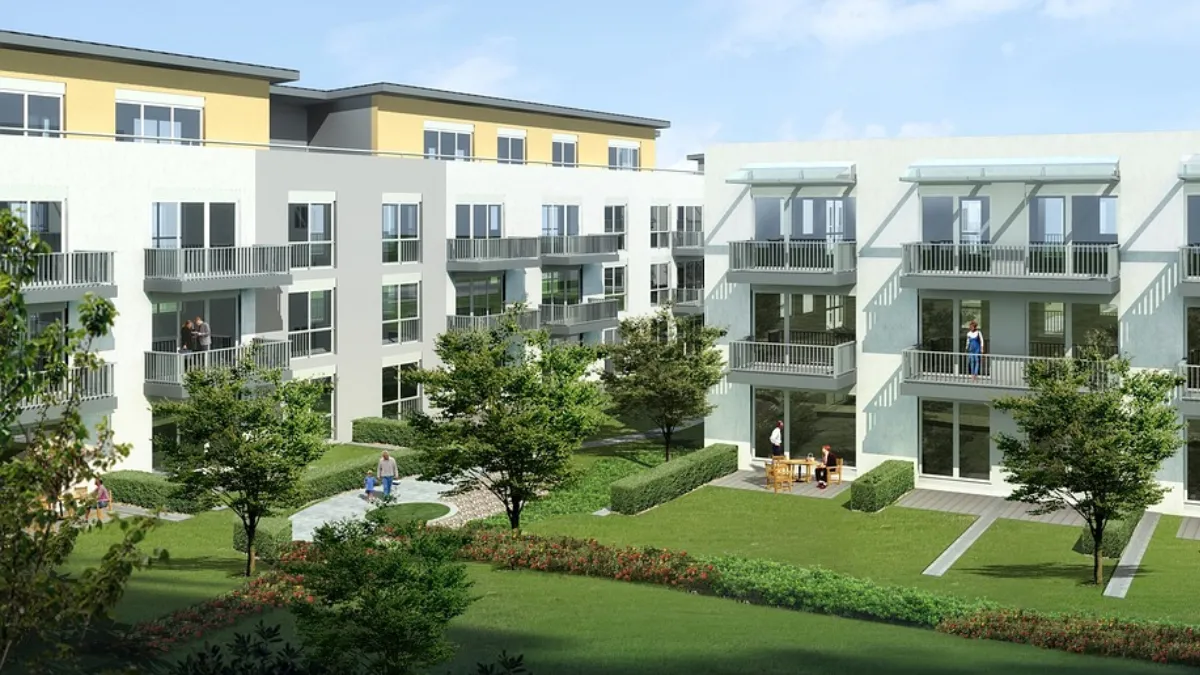
For years, India’s real estate story was dominated by Tier-1 metros, where high-rise buildings and luxury projects defined growth. But today, the spotlight is shifting towards Tier-2 cities that are emerging as powerful investment magnets. As infrastructure, connectivity, and disposable incomes rise, so does the demand for high-end living in cities such as Lucknow, Chandigarh, Jaipur, Coimbatore, Indore, and Dehradun.
Massive infrastructure upgrades
The rise of Tier-2 cities is being propelled by a confluence of factors that make them hard to ignore for both buyers and investors. Massive infrastructure upgrades—airports, highways, metro corridors, and smart city initiatives—are transforming these regions into well-connected urban hubs. Enhanced connectivity with metros has further blurred the lines between primary and emerging markets. At the same time, a growing middle class and NRIs are fueling aspirations for better homes and modern lifestyles. Add to this the advantage of lower land costs, attractive returns, and supportive state policies, and the investment case becomes compelling.
Additionally, according to Magicbricks, India’s real estate investment landscape is undergoing a shift, as Tier-2 cities are outperforming their Tier-1 counterparts in terms of capital appreciation. The report shows the average capital appreciation across Tier-2 cities stands at 17.6 per cent, outpacing the national capital’s 11.10 per cent.
Data showed that, in northern India, Lucknow led with an appreciation of 23.70 per cent YoY (year-on-year) in property prices, followed by Kanpur (19.52 per cent), with property values increasing to Rs 7,049 per square foot (psf). Average property prices in Lucknow stood at Rs 6,880 psf in Q2 of 2025. What makes this shift significant is that the growth is not speculative but anchored in real demand from an aspirational middle class, NRIs, and new-age professionals seeking value beyond the metros.
Rising demand for housing in Tier-2 cities
According to Mohit Goel, Managing Director, Omaxe Group, Tier-2 cities are no longer alternatives to metros.
"One of the primary drivers of growth in these cities is the rising demand for housing. Cities like Lucknow, Chandigarh, and Indore are upgrading faster than most people realise. Infrastructure developments like highways, airports, and metro connectivity have opened them up in a way that was unthinkable a decade ago. What stands out is the shift in mindset—homebuyers here are no longer settling for basic housing; they aspire to the same world-class lifestyle as metro residents. Businesses, too, are seeking modern commercial spaces outside the traditional hubs. Together, these forces are turning Tier-2 cities into vibrant, self-sustained urban centres,” Goel said.
Meanwhile, as per PropEquity, the Value of homes sold in India’s top 15 Tier-2 cities has increased by 6 per cent to Rs 40,443 crore in Q1 2025 as against Rs 38,102 crore in the same period last year.
Umang Jindal, CEO, Homeland Group, believes that the Tier-2 and Tier-3 cities are entering a new phase of urban growth, shaped by better infrastructure and steady investment.
"Take Chandigarh, for instance, long known for its planned cityscape; it is now redefining what luxury means. The city features spacious homes with curated living experiences like wellness zones, rooftop lounges, sustainable design, and personalised services. We’re noticing demand coming not only from NRIs and retirees but also from young entrepreneurs who see these cities as the future of modern living,” Jindal said.
Growing investor interest in plots
The surge comes amid growing investor interest in plots as a flexible and appreciating asset class, and developers opting for plotted developments to ensure faster cash flows and lower upfront investment. The combined estimated value of these launches stands at Rs 2.44 lakh crore.
Manit Sethi, Director, Excentia Infra, says, “Dehradun is transforming from a serene hill-town into a real estate destination where wellness, education, and modern living converge. Many buyers look at the city for second homes, retirement living, or as an escape from urban chaos, but increasingly, we see professionals and families settling here full-time. Improved road and air connectivity with Delhi-NCR has boosted its appeal, while the city retains its charm and slower pace of life. Hence, we believe that investing in Dehradun means shaping a market that blends nature with next-generation real estate".
Experts are of the view that Tier-2 cities are paving the way to anchor the next decade of India’s real estate boom. Investors are increasingly diversifying their portfolios beyond the metros, drawn by the combination of strong demand, better returns, and relatively lower entry costs. For homebuyers too, these markets offer the best of both worlds—affordability without compromising on lifestyle.
