
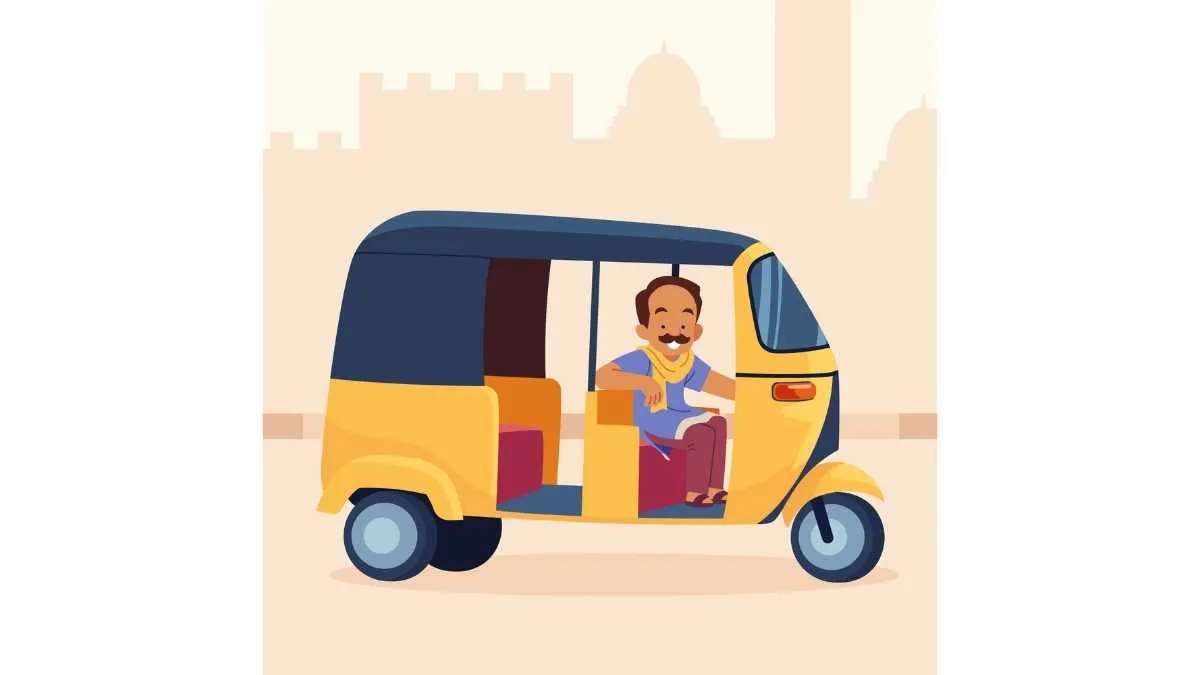
In India, three-wheelers form an essential part of public transport due to their compact size, easy manoeuvrability, faster commuting times and wide availability. However, driving a three-wheeler on India’s busy roads requires extra caution and awareness. With heavy traffic, unpredictable driving patterns, and narrow lanes, safety becomes a crucial concern.
By following a few simple yet effective safety tips, three-wheeler drivers can protect themselves, their passengers, and others on the road while ensuring smooth journeys.
Keep reading for detailed insight!
Important Safety Tips for Auto Three-Wheeler Drivers
Listed below are the essential safety tips for auto rickshaw drivers:
Carry Out Vehicle Checks Before Every Journey
Before setting off, it is essential to give your rickshaw a quick but thorough inspection. Make sure the brakes are in good working order, the tyres are properly inflated and free from damage, and that all the lights are functioning correctly.
The horn should also be tested, as it is often a crucial tool in busy traffic. Spotting small issues early not only prevents breakdowns but also ensures passenger safety. Drivers who maintain their vehicles well also find it easier to secure reliable commercial vehicle insurance, as insurers value properly cared-for vehicles.
Maintain Safe Speeds on the Road
Auto rickshaws are designed for practical and short-distance commuting rather than high-speed driving. Pushing them beyond safe speed limits increases the risk of accidents and reduces your control over the vehicle.
Instead, stick to moderate speeds, particularly on crowded city roads. Be mindful when switching lanes, always signal your intentions clearly, and avoid sudden swerves or overtaking. A steady pace not only safeguards you and your passengers but also prolongs the life of your rickshaw.
Keep Passengers Comfortable and Secure
Passenger safety should always be a top priority. Never overload your rickshaw beyond the manufacturer’s recommended weight limit, as this can compromise both balance and braking ability. Ensure that all passengers are seated properly before moving off.
A comfortable, stable ride reassures your passengers and reduces the chances of falls or injuries. Remember, your livelihood depends on their trust, and providing a safe service is the best way to earn repeat customers.
Take Extra Care When Driving at Night
Night driving presents its own challenges, from reduced visibility to fatigue. Always double-check that your headlights, indicators, and rear lights are in perfect working condition before heading out after dark.
Faulty or dim lights can mislead other drivers and increase accident risks. It is also wise to carry a small torch or a spare battery pack in case of emergencies. Slowing down at night and keeping a safe distance from larger vehicles can make a significant difference in preventing mishaps.
Respect Traffic Rules at All Times
Traffic regulations are in place for good reason – to keep everyone safe. As a professional driver, you must make it a habit to obey signals, stop at pedestrian crossings, and avoid abrupt braking.
Staying vigilant is especially important in areas with heavy pedestrian movement, where people often cross unexpectedly. Good road discipline also improves your reputation as a responsible driver, which can encourage more passengers to choose your rickshaw over others.
Pay Attention to Electric Rickshaw Safety
For those operating electric three-wheelers, additional precautions are necessary. Battery care should be your first concern. Always use certified chargers, and never attempt to charge the battery in wet or unsafe conditions.
Keep an eye out for signs of overheating or unusual smells, which could indicate a fire risk. Storing your rickshaw in a dry, well-ventilated area also helps maintain battery health. These small but critical steps will not only extend the life of your electric rickshaw but also provide peace of mind on every journey.
How Drivers Can Make Busy Indian Roads Safer?
Safer roads don’t always demand massive changes; sometimes, a few meaningful reforms can transform everyday journeys. For three-wheeler drivers, small shifts in law, habits, and awareness can make roads more secure for everyone.
Here are five key safety recommendations tailored for Indian roads:
• Prioritising Children’s Safety on the Roads: Children travelling in three-wheelers are often exposed to speeding vehicles and missing footpaths. Creating child-friendly zones around schools, encouraging walking or cycling groups, and refining laws to focus on realistic safety measures can make the morning commute far safer and more enjoyable for young students.
• Recognising All School Transport Vehicles: It’s not just yellow buses that carry schoolchildren; three-wheelers and vans are also widely used. Expanding school transport definitions and making registration with local RTOs compulsory can ensure every vehicle undergoes safety checks, making parents more confident and journeys more reliable.
• Holding All Road Users Accountable for Speeding: While cars often face penalties for breaking speed limits, two- and three-wheelers are frequently overlooked. Bringing them clearly under enforceable speed-check rules would ensure shared accountability and help develop a culture where every driver respects road safety equally.
• Urban Road Standards for Fairer and Safer Use: Many city roads lack proper pedestrian paths, cycling lanes, and safe spaces for smaller vehicles like auto-rickshaws. By adopting uniform urban road design standards, just as highways already follow, Indian cities can ensure that all road users, including three-wheeler drivers and passengers, enjoy safer journeys.
Safety Rules for Auto Rickshaws on Busy Indian Roads
Road safety rules in India are created to safeguard both drivers and passengers. For three-wheeler drivers, following these essential tips not only reduces the risk of accidents but also ensures smoother and safer journeys across busy roads:
• Avoid Distractions: Your focus must remain on the road at all times. Avoid mobile phones, loud music, or chatting excessively while driving. A moment of distraction could cost lives.
• Respect Speed Limits: Never exceed prescribed speed limits. High speeds increase the chances of losing control, especially on crowded or uneven Indian roads, where sudden stops are common.
• Service your Vehicle Regularly: Timely servicing prevents breakdowns and keeps your three-wheeler roadworthy. Check tyres, headlights, brakes, mirrors, and oil levels. Regular maintenance not only prevents accidents but also ensures your three-wheeler insurance remains valid.
• Follow Traffic Signals: Always stop at red lights and obey pedestrian crossings. Ignoring signals can cause collisions and result in penalties or worse, injuries.
• Maintain Lane Discipline: Stick to your lane, especially on highways and busy junctions. Do not weave through traffic or overtake without indicating, as sudden moves can surprise other motorists and lead to collisions.
• Keep a Safe Distance: Always maintain enough space between your vehicle and the one in front. This buffer allows you time to react to sudden stops, reducing the risk of rear-end accidents.
• Overtake Responsibility: In India, overtaking is done from the right. Never cut across lanes abruptly and always signal before overtaking.
Staying safe on India’s busy roads requires three-wheeler drivers to follow traffic rules, maintain their vehicles, and stay alert at all times. Small steps like respecting speed limits, keeping safe distances, and securing 3-wheeler insurance not only protect lives but also ensure safer, more reliable journeys every day.
(Disclaimer: This is sponsored content. The liability for the article solely rests with the provider. The content has not been verified by India TV channel and IndiaTVNews.com)
