
The 2025 Bihar Assembly elections have seen an unprecedented surge in female voter participation, a trend that has reshaped the political landscape of the state. While the overall voter turnout was a record 67.13%, what stands out most is the 71.78% female voter turnout, marking a 9% higher participation rate compared to the 62.98% turnout among men. This shift in the electorate has led to an unmistakable influence of women voters on the outcome, with the National Democratic Alliance (NDA) emerging as the biggest beneficiary. Here’s a detailed analysis of how this surge in Mahila Shakti (Women’s Power) translated into seats, and how it compares historically to the 2010 and 2015 female-driven turnouts.
A historic surge in female voter turnout
The 2025 elections saw women voters turning out in larger numbers than ever before, with many districts reporting a 10-20% higher female voter participation than their male counterparts. In districts like Supaul, the gap between female and male voter turnout was a massive 20.71%. Other districts like Kishanganj, Madhubani, and Gopalganj also witnessed similar disparities.
This shift is part of a broader trend that has been developing over the past 15 years in Bihar, where women have consistently voted in higher numbers. However, 2025 stands out for its sheer scale, with women’s participation exceeding all expectations and setting a new benchmark for future elections in the state.
Impact of women-centric policies
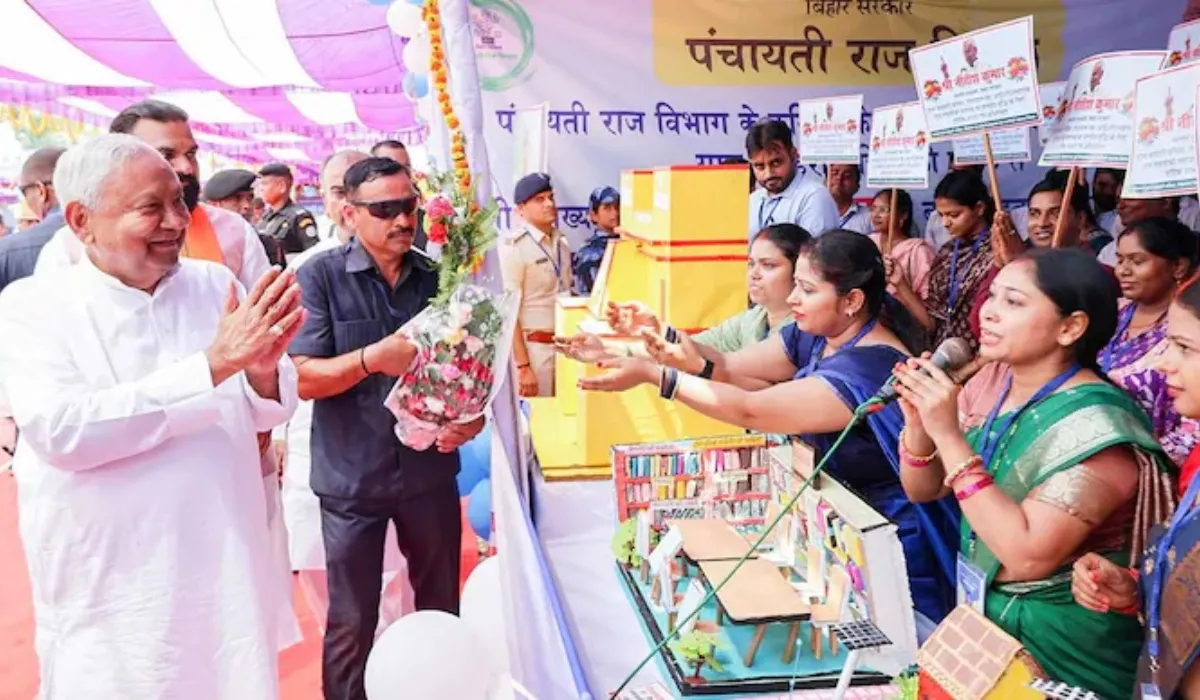
The NDA’s focused outreach to women voters, especially through the Mukhyamantri Mahila Rozgar Yojana, which promised ₹10,000 to eligible women, was a key factor in this surge. The program resonated deeply with women in poorer communities, where a sum of ₹10,000 was more than a month’s income for many households.
Moreover, the alcohol ban introduced by the NDA has also found favor among women voters, particularly in rural areas, where many believe the ban has led to a reduction in domestic violence and improved family finances. These policies helped the JD(U) (Janata Dal-United) secure a significant advantage in seats where the female voter turnout was higher.
How the female voter turnout benefited the NDA
In districts where women voters outnumbered men, the NDA’s vote share saw a noticeable increase. For instance, in the eight districts comprising 53 seats, where the female voter share ranged between 53%-55%, the NDA’s vote share was substantially higher. In contrast, in districts where the female voter share was similar to or lower than the male share, the vote share gap between the NDA and the Mahagathbandhan (Grand Alliance, led by the RJD) narrowed significantly.
The JD(U), a key player in the NDA, performed particularly well in seats with higher female turnout. According to early results, in these high-female-turnout districts, JD(U)’s vote share reached 23.8%, compared to just 15.7% in districts where the female and male voter turnout were equal. This indicates that women were not just voting in higher numbers—they were also strongly aligning with the policies and welfare measures promoted by the NDA.
The silent voters: A historical comparison
Historically, the 2010 and 2015 Bihar elections were also marked by higher female voter turnout compared to men. In 2010, the female turnout was 61.5%, while in 2015, it was 63.6%, with women outpacing men in most districts. However, the scale of this year’s surge is unprecedented, with 2025 witnessing a turnout of 71.78% for women—an all-time high.
Comparing this year’s results to the 2010 and 2015 elections, where women voters leaned towards the RJD-led Grand Alliance due to issues like social welfare and caste-based politics, the 2025 election has marked a turning point. This time, the NDA, especially through its welfare measures aimed at women and its strong anti-liquor stance, has managed to secure overwhelming support among women voters.
Why RJD lost ground among women voters
One of the biggest surprises in the 2025 election has been the RJD’s underperformance in areas with a higher concentration of women voters. Despite a similar vote share compared to previous elections, RJD’s seat count has fallen drastically. Tejashwi Yadav’s promise of “3 crore government jobs” and youth-centric policies failed to resonate as strongly with the female electorate, who have found the NDA’s schemes more directly beneficial to their lives.
The RJD’s inability to connect with women voters on key issues like security, employment, and direct financial assistance was a critical misstep. While youth votes still rallied behind Tejashwi Yadav, especially in urban areas, the silent voters—predominantly women in rural and semi-rural districts—sided overwhelmingly with the NDA.
The future of Women's power in Bihar Elections
Looking forward, the 2025 Bihar elections have proven that women voters will continue to be a decisive force in the state’s political landscape. The NDA’s success in winning over this key demographic is likely to set a precedent for future elections, particularly in 2025 and beyond. As political parties in Bihar prepare for upcoming contests, their strategies will likely evolve to focus more on women-centric policies and welfare measures that directly impact women’s economic and social empowerment.
In conclusion, the 2025 Bihar Assembly elections have cemented the influence of Mahila Shakti in shaping electoral outcomes. The NDA’s strong performance among women voters—driven by targeted welfare programs and a focus on safety and self-reliance—has proven to be the decisive factor. The trends from 2010 and 2015 have been surpassed, and women’s growing role in Bihar politics is now firmly established as a key factor for victory in future elections.
