
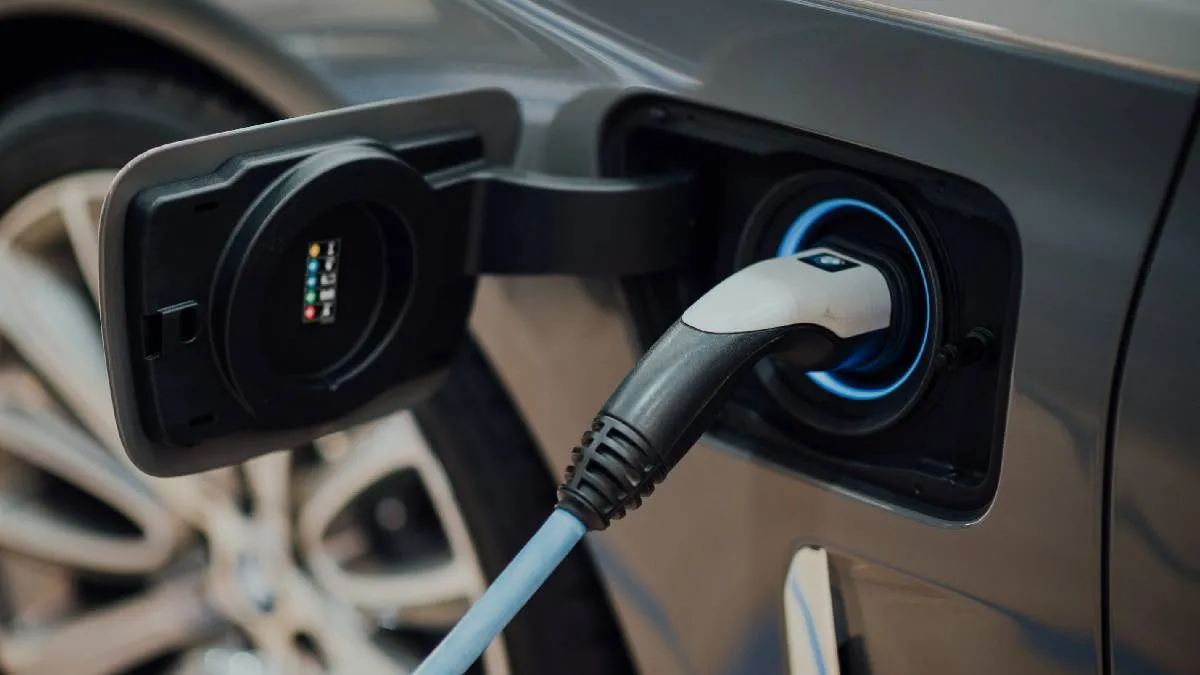
The Central Government has released operational guidelines for deploying approximately 72,300 public EV charging stations across the country. This initiative is backed by a Rs 2,000-crore outlay under the larger Rs 10,900-crore PM E-DRIVE scheme. The new norms recommend a tiered subsidy structure to support the installation of EV charging infrastructure across various locations.
Tiered subsidy structure
| Location | Upstream Infrastructure Subsidy | EV Charging Equipment Subsidy | Condition |
| Government Premises (Offices, hospitals, educational institutions, residential complexes) | 100 per cent | 100 per cent | Chargers must offer free public access. |
| Publicly Owned Locations (Railway stations, AAI airports, PSU OMCs retail outlets, bus/metro stations, municipal parking lots, ports, NHAI/State toll plazas) | 80 per cent | 70 per cent | NA |
| General City/Highway Locations (Streets, shopping malls, market complexes, highways, expressways) | 80 per cent | No specific percentage mentioned for equipment | NA |
| Battery Swapping / Charging Stations (Any location) | 80 per cent | No specific percentage mentioned for equipment | NA |
Implementation and focus areas
The guidelines stipulate that eligible entities (Government of India Ministries and State/UT governments) must appoint nodal agencies. These agencies will be responsible for:
- Aggregating the demand for EV public charging stations (PCS).
- Identifying high-priority locations.
- Submitting consolidated proposals through a dedicated online portal to the Ministry of Heavy Industries.
Bharat Heavy Electricals Limited (BHEL) will serve as the Project Implementation Agency (PIA) for the overall deployment of the EV public charging stations. Subsidy payments will follow a two-tranche system, with funds being released only upon meeting established compliance and performance benchmarks.
The scheme will primarily focus on:
- Urban centres with populations over one million.
- Smart cities and metro-connected satellite towns.
- State capitals.
- High-density National and State Highways.
- Additionally, key public transport hubs such as railway stations, airports, and fuel retail outlets have been specifically earmarked to receive infrastructure support.
ALSO READ: Maruti Suzuki Invicto achieves Bharat NCAP 5-star safety rating
