
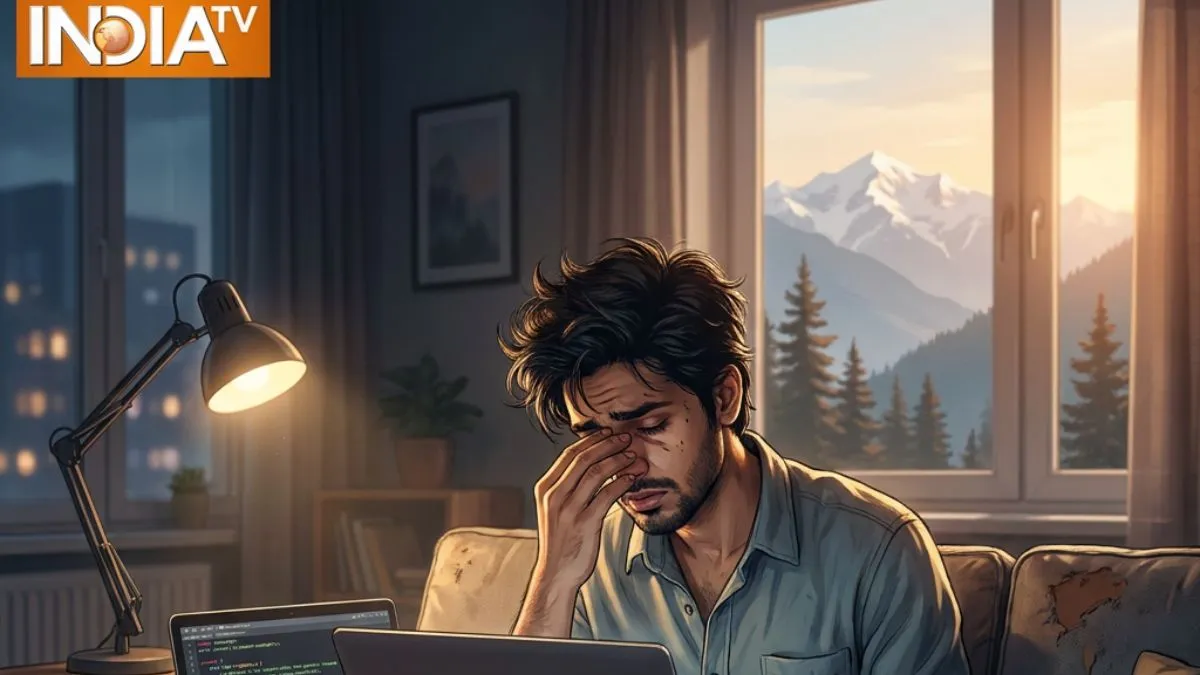
A 29-year-old software engineer has sparked a major online discussion after revealing that he resigned from his high-paying Rs 25 lakh per annum corporate job because he no longer wanted to continue the endless cycle of work and hustle. The now-viral Reddit post has resonated deeply with young professionals who say burnout and emotional exhaustion are becoming increasingly common in India’s corporate culture.
The techie shared that despite having around six years of experience and financial stability, he had reached a point where he felt mentally drained. In his post, he admitted that he genuinely no longer felt motivated to work. The phrase “Bas ho gaya” quickly caught attention online, with many users relating to the emotional fatigue behind those words.
From endless ambition to emotional exhaustion
As per the viral post, the software engineer had always been very ambitious since college days. Apart from doing his job, he was also exhausting himself in all sorts of other activities such as freelancing, tutoring students, developing websites, and gig work. Gradually, the constant strain of always seeking growth and productivity took a toll on him.

The post reads: " I’m a software engineer with around 6 years of experience, and recently I resigned from my ₹25 LPA job. To be honest, I think I’ve reached a point where it just feels like 'bas ho gaya.” I used to be an extremely ambitious person in my college days. I taught students, freelanced, worked through UrbanClap, created websites for clients, constantly chased growth, money, and bigger opportunities. But somewhere along the way, I feel mentally exhausted from this entire cycle of working endlessly. Right now, I’m 29. I don’t really have plans for marriage, kids, or a very structured future. I have savings of around ₹15 lakhs, and lately I’ve been seriously thinking about moving to Manali and just living a slower, peaceful life for some time. Financially, I know I’m not “free,” but I feel I can survive for at least 1–2 years comfortably. If my monthly expenses in Manali stay around ₹30k, I think I realistically have a runway of around 3–4 years. The strange part is that I’m not even aggressively looking for another job. I’m not getting many remote interview calls either, but deep down I don’t think I truly want to go back to the same corporate routine right now"
The Redditor added, "Maybe I’ll build something later, maybe I’ll freelance again, maybe I’ll create apps/projects on my own terms… I genuinely don’t know yet. Has anyone here gone through something similar? Did taking a break from the corporate race actually help you mentally or professionally? And for people who moved to places like Manali, how was the experience long term?"
Why the idea of a slower life resonated online
The techie revealed that he currently has savings of around Rs 15 lakh and is considering moving to Manali for a quieter and slower lifestyle. According to him, he has no plans for getting married or having an extremely planned future; he just needs a break from all the pressure.
The concept of living a simpler life and running away from the hustle and bustle of the city appealed to many internet users. While some appreciated his transparency, others advised caution in such situations where people tend to make hasty decisions because of burnout and need proper financial planning.
What’s fascinating is that this is not the first instance where professionals have left their high-paying jobs in the limelight. Over the past few months, numerous tech professionals and entrepreneurs have shared their stories about the stressful work environment despite their handsome pay packages.
The growing burnout conversation in India
In recent times, discussions about mental health and burnout culture within companies have become common in India, particularly among younger people employed in the IT and startup space. Late nights at work, side gigs, round-the-clock availability on phones, and the need to "keep achieving" have made many individuals mentally exhausted. Not all people are in a position to quit their jobs, but such articles serve to reinforce the growing sentiment that some people are tired of the rat race and want to slow down and live. For many readers online, the story was not one of shock but of validation, as it accurately represented their feelings about today's work culture.