
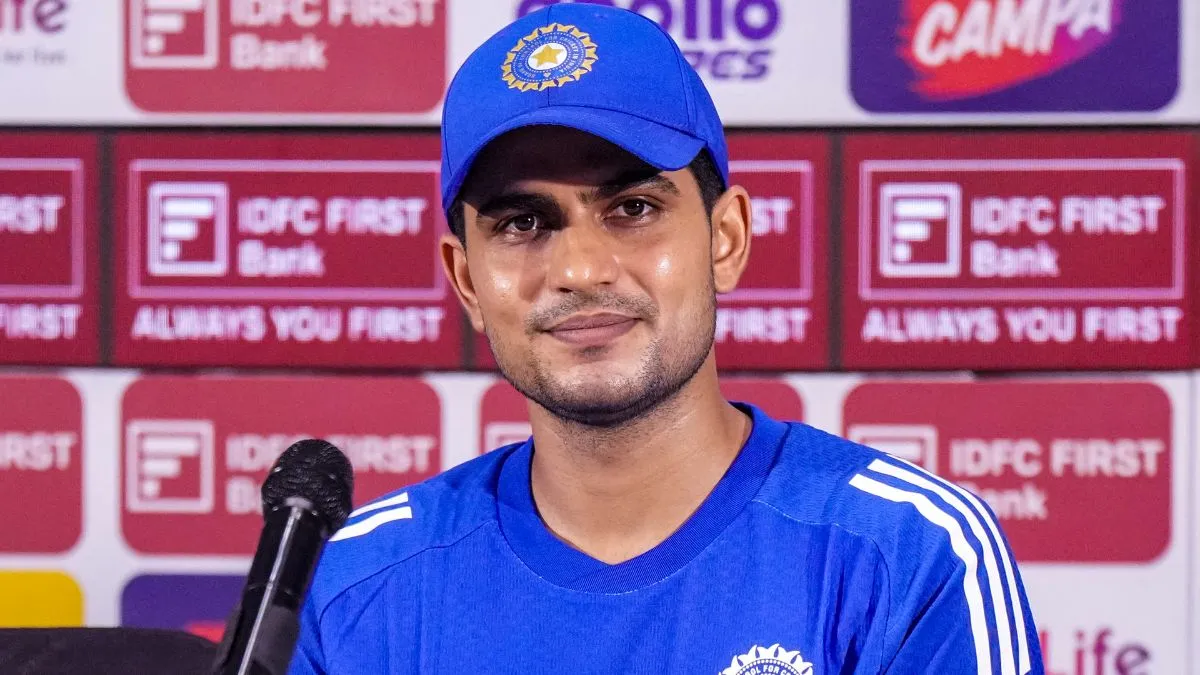
India captain Shubman Gill has underlined the importance of building a cricketing structure on the foundation of Test excellence, stating that strong performances in the longest format naturally lead to success in white-ball cricket. Speaking ahead of the second Test against the West Indies, Gill refrained from directly commenting on the proposal for a two-tier Test system, instead choosing to focus on the broader significance of red-ball cricket development.
India had convincingly defeated West Indies by an innings and 140 runs in the opening Test in Ahmedabad, exposing once again the deep-rooted decline in the Caribbean team’s red-ball performances. With the dominance of T20 leagues influencing many West Indies players to pursue freelance opportunities, concerns have grown over the region’s waning Test standards.
When asked if the time was right to introduce a two-tier Test format to address such imbalances, Gill remained diplomatic.
Notably, Gill’s comments came a day after West Indies coach Daren Sammy spoke about the cancerous system in Caribbean cricket. Plenty of players have retired from red-ball cricket, and some of them, including Nicholas Pooran and Andre Russell, have also called their time in ODIs and T20Is.
India’s robust structure and its benefit
Gill spoke on the same lines, stating that the focus of the West Indies cricketers have changed in recent times and that have heavily impacted their red-ball performance, if not in the other two formats as well. He shared the example of Indian cricket, stating that the players give preference to red-ball cricket and for the same reason, the management has built a robust system that helps the players establish their authority in the other two formats as well.

“So we are also conscious. If you are doing well in the Test format, then it is a natural thing that in ODI and T20s, you will automatically have a good team. If you have a good base, you will have good options,” Gill said.