
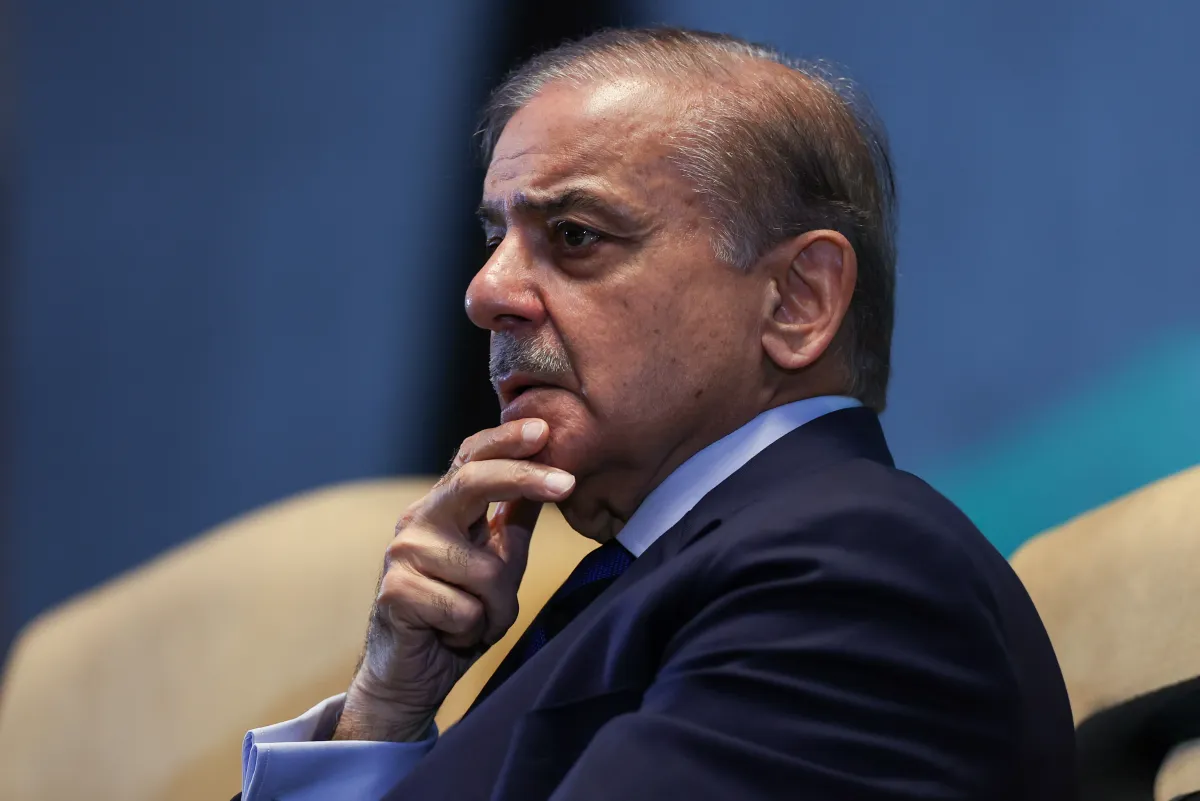
In a move to conserve fuel amid rising oil prices, Pakistan Prime Minister Shehbaz Sharif announced that all schools will remain closed for the next two weeks, starting after this week. Higher education institutions will immediately shift to online classes, he announced. The decision comes as global tensions in the Middle East continue to affect oil supply and push energy costs higher.
Govt offices in Pakistan to work 4 days a week
As part of broader austerity measures, the Pakistan government will implement a four-day work week for federal offices. Fifty percent of government employees will work from home, aimed at lowering commuting, operational costs, and fuel usage.
Prime Minister Sharif also noted that oil allowances for government departments will be cut by 50 percent over the next two months, while officers in Grade-20 and above earning over Rs 3 lakh per month will face deductions of two days’ salary.
The prime minister said that Members of Parliament will receive a 25 percent increase in salaries, even as departments implement spending cuts of up to 50 percent. He said these steps are intended to manage the financial strain caused by surging energy prices and global economic turbulence.
“Oil prices are expected to rise further in the coming days. My efforts are focused on ensuring that the burden does not fall on the people,” Sharif said, adding that consultations are ongoing day and night to contain the impact.
Maryam Nawaz orders major fuel cuts for ministers, officials
Maryam Nawaz Sharif, the Chief Minister of Punjab in Pakistan, has announced a series of measures to conserve fuel amid the growing fuel crisis. She stated that fuel supply for provincial ministers will be suspended until the situation improves. Additionally, petrol and diesel allowances for government officers’ vehicles will be reduced by 50 per cent with immediate effect.
The Chief Minister also announced that only one protocol vehicle will be allowed to accompany provincial ministers and senior government officials as part of efforts to curb fuel consumption. These measures aim to ensure prudent use of resources during the ongoing crisis.
Oil hits multi-year high
This comes amid intensifying conflict in the Middle East, global oil prices crossed $100 per barrel on Sunday for the first time in more than three and a half years. Brent crude, the international benchmark, was trading at $107.97, up 16.5% from Friday’s close of $92.69. West Texas Intermediate (WTI), the US benchmark, reached $106.22 per barrel, a 16.9% rise from $90.90. Both prices remain volatile as market trading continues.
The price spike comes after last week’s dramatic increases, with US crude up 36% and Brent crude rising 28%, as the ongoing war in the region disrupted oil production and shipments. Key oil shipping routes, especially the Strait of Hormuz, which handles roughly 15 million barrels per day (about 20% of global oil), face significant threats from Iranian missile and drone attacks, slowing tanker movement and exports.
Regional production cuts
Countries including Iraq, Kuwait, and the UAE have already reduced oil production as storage fills up due to limited export options. Meanwhile, attacks on oil and gas facilities by Iran, Israel, and the US have further tightened supply, fueling global price increases.
Also Read: LPG refill booking period extended to 25 days to prevent hoarding amid West Asia tensions
