
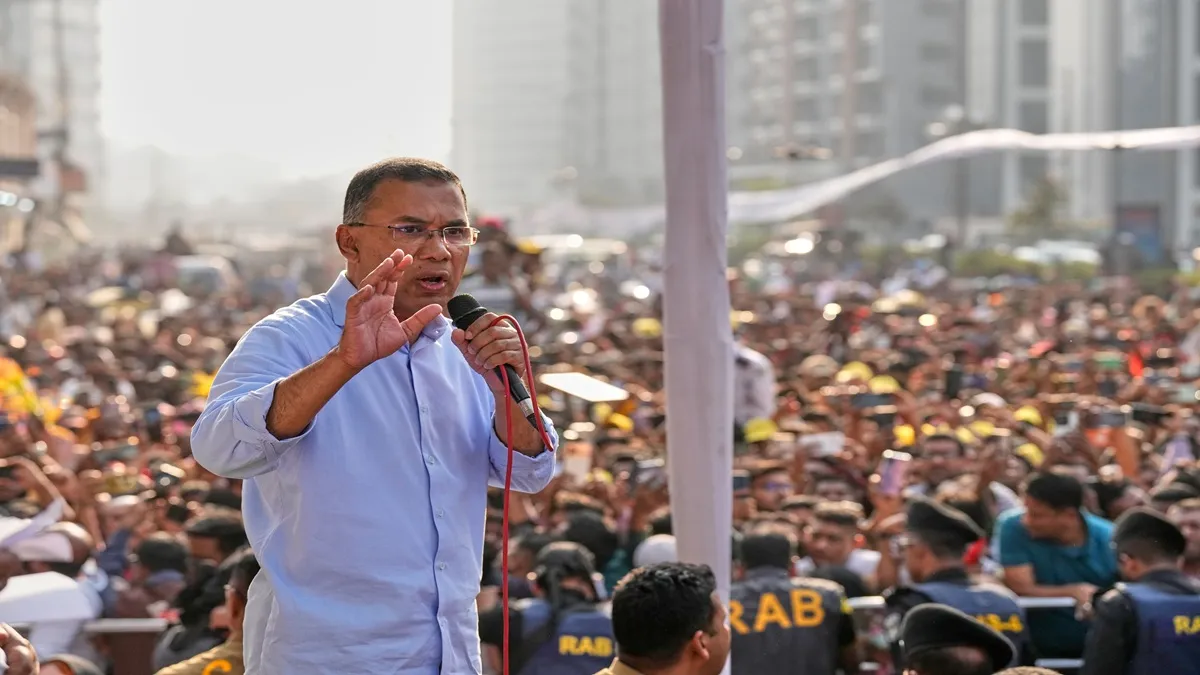
In a breathtaking turn in national politics, Tarique Rahman, chairman of the Bangladesh Nationalist Party (BNP), is on the verge of assuming the office of Prime Minister after his party surged ahead in the 2026 general elections. With the latest vote counting showing the BNP crossing the crucial majority threshold of 151 seats out of the 300 directly elected seats in the Jatiya Sangsad (National Parliament), Rahman's rise marks a dramatic comeback following nearly two decades away from Bangladesh. Multiple media tallies showed the BNP had won more than 200 seats as the counting is still underway.
Who is Tarique Rahman?
Tarique Rahman was born into Bangladesh's most prominent political dynasty. He is the son of former Presidents and Prime Ministers Ziaur Rahman and Khaleda Zia, two towering figures in the nation's post-independence political arena. Educated in Bangladesh and abroad, Rahman rose through party ranks as a strategist and organiser, becoming the BNP's de facto leader even during periods when his mother was formally in charge.
For 17 years, Rahman lived in self-imposed exile in London amid a series of legal cases and convictions that he claims were politically motivated. He was arrested in 2007 during an anti-corruption crackdown led by the military-backed caretaker government. A year later in 2008, he was allowed to travel to London for urgent medical treatment after alleged severe torture in custody left him so debilitated that he had to be taken to the aircraft in a wheelchair.
With the ouster of Sheikh Hasina's government in 2024 and subsequent court decisions overturning his convictions, Rahman returned to Dhaka in December 2025. He was greeted by massive crowds and renewed political energy in the country. After his return, he also completed voter registration which enabled him to contest the 2026 polls.
What does Rahman stand for?
In the run-up to the country's general elections, Rahman campaigned on a platform of change and national renewal. Key themes included, anti-corruption and clean governance. He has also promised to tackle entrenched corruption and restore accountability in public institutions. Rahman has vowed to invigorate Bangladesh's economy with job creation, foreign investment and support for farmers and families.
Improving security and public confidence has been a hallmark of his speeches. Rahman positioned his agenda as inclusive and forward-looking with an aim to balance tradition with reform and appeal to both older party loyalists and younger voters.
How would his leadership impact Bangladesh-India ties?
Experts believe regional geopolitics will be a central test for Rahman's leadership. Relations with India have been strained recently, particularly during the Hasina years and amid rising regional strategic competition. Rahman's own party manifesto calls for relations with neighbours based on equality, fairness and mutual interest, including addressing border issues, water sharing and cooperation on trade and security. Analysts expect Rahman to pursue a balanced foreign policy, strengthening ties with both India and other partners while asserting Bangladesh's national interests. However, shifts towards China or other regional powers cannot be ruled out, especially given Beijing's growing influence.
ALSO READ:
