
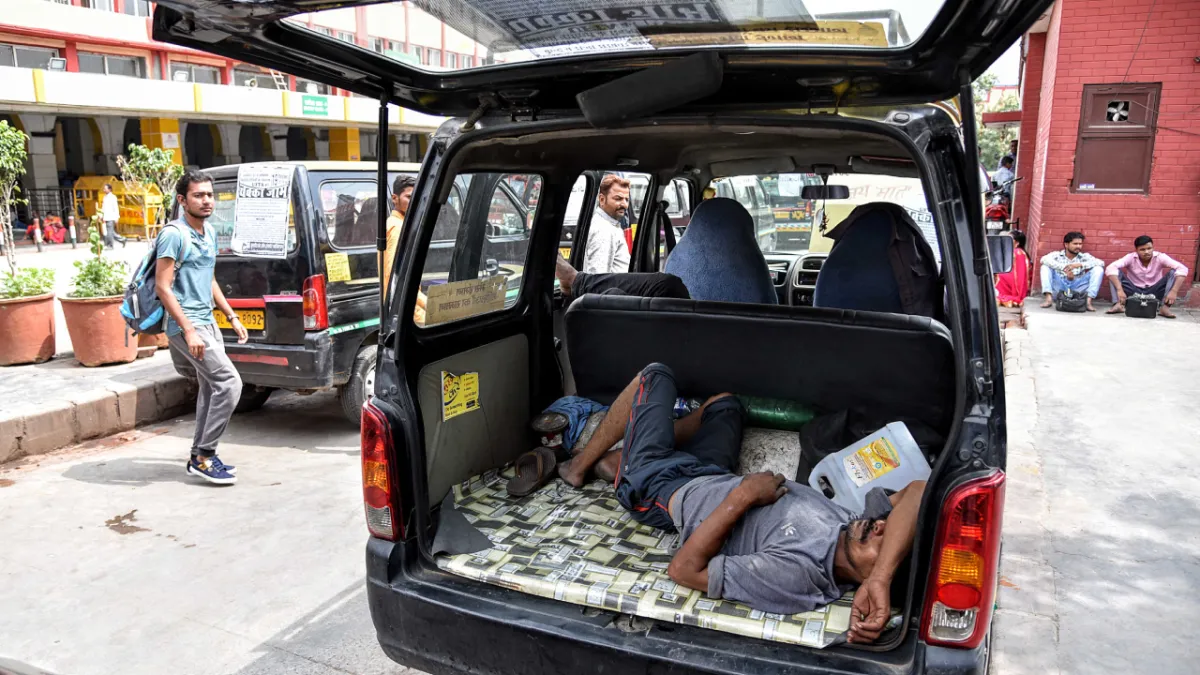
Commuters across India may face travel disruptions on Saturday, February 7, as drivers associated with Ola, Uber and Rapido taxi booking platforms prepare to stage a coordinated nationwide strike. The protest, dubbed the ‘All India Breakdown’, is expected to involve thousands of app-based drivers simultaneously logging off ride-hailing platforms for at least 6 hours, affecting the availability of cabs, auto rickshaws and bike taxis.
The strike has been called by the Telangana Gig and Platform Workers Union, with support from several labour organisations operating at the national level. Unions say the move is aimed at drawing immediate attention to what they describe as unchecked fare practices and deteriorating working conditions in India’s fast-growing ride-hailing sector.
Why Uber, Ola, Rapido taxi drivers are going on strike?
Driver unions say aggregator platforms continue to set fares on their own terms despite the Motor Vehicle Aggregator Guidelines, 2025, which were intended to provide regulatory clarity. According to them, the absence of government-notified minimum base fares has led to declining incomes, longer working hours and increasing dependence on incentives that are often changed or withdrawn.
In a social media post, the Telangana Gig and Platform Workers Union said that even after the new guidelines, fare fixation remains arbitrary. It reiterated its demand for notified minimum fares, proper regulation and an end to the commercial use of private vehicles for passenger services.
All India Breakdown announced
While formally announcing the protest earlier this week, the union warned that continued policy inaction was pushing app based drivers deeper into financial distress. It said drivers across the country would observe an All India Breakdown on February 7, arguing that the lack of minimum fares and regulation had resulted in widespread exploitation. The union claimed that while aggregator companies continued to expand, millions of drivers were being driven towards poverty.
At the heart of the protest is the demand for mandatory minimum base fares for all app based transport services, including cabs, autos, bike taxis and aggregator run goods transport. Unions have said these fares should be fixed through consultations with recognised driver representatives.
They have also sought strict action against the use of private vehicles for commercial rides, either through a complete ban or tighter enforcement of vehicle conversion rules. Another key demand is the removal of Clause 17.3 of the Motor Vehicle Aggregator Guidelines, 2025, which allows platforms to price rides up to 50% below the base fare, a provision unions say directly hurts driver earnings.
How the strike would affect commuters
Unions have said the strike is likely to last around 6 hours, though the level of disruption may vary across cities depending on participation. Commuters who rely on app based cabs, autos and bike taxis have been advised to plan alternative travel arrangements on February 7, especially during peak hours.
Tax drivers' Income insecurity worsening
In a statement, the union said the lack of enforceable safeguards has created severe income instability for app based drivers, many of whom depend entirely on aggregator platforms for their livelihood. It urged the Centre and state governments to begin immediate discussions with worker organisations to put in place fair, transparent and legally binding rules for the sector.
The February 7 strike follows a series of protests by gig workers across platform based industries. In December, food delivery and quick commerce workers staged demonstrations over low payouts and demanding working conditions, even during high demand periods.
Also read: Bharat Taxi App - India’s cooperative ride hailing platform: How does it work?
