
In a major move aimed at streamlining the political system, the Election Commission of India (ECI) has initiated proceedings to delist 345 Registered Unrecognized Political Parties (RUPPs). These parties have neither contested a single election since 2019 nor could their physical offices be traced.
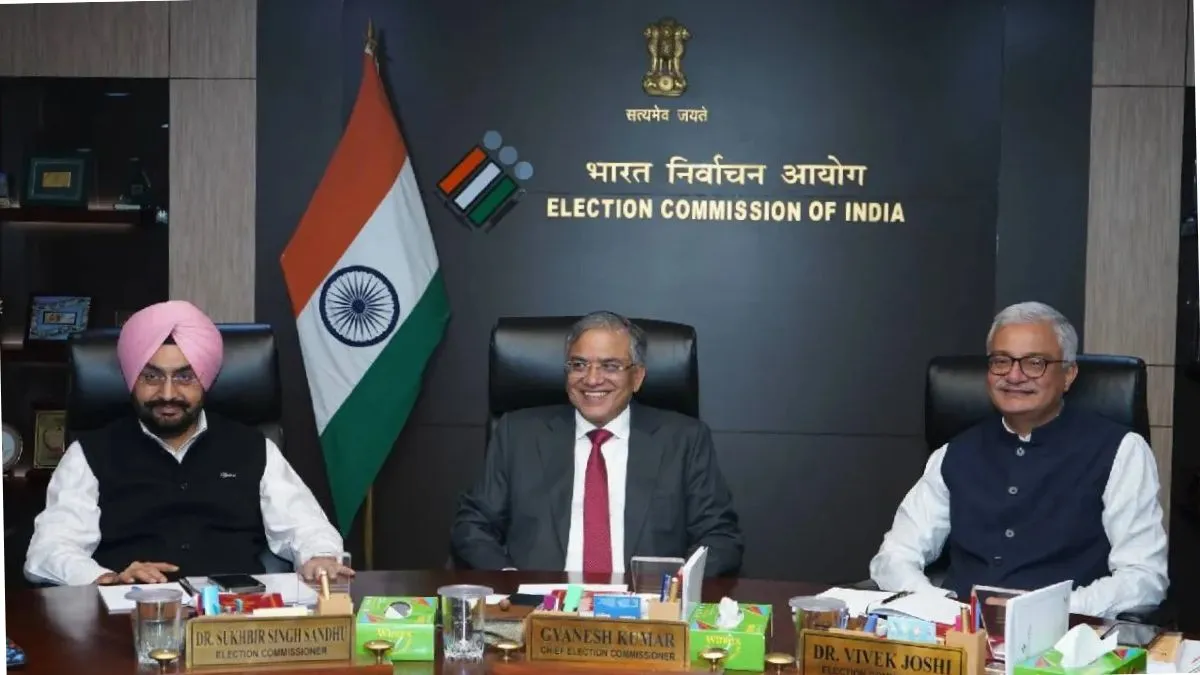
This action, launched under the leadership of Chief Election Commissioner Shri Gyanesh Kumar and Election Commissioners Dr Sukhbir Singh Sandhu and Dr Vivek Joshi, is part of a nationwide exercise to identify and weed out inactive political entities that continue to enjoy the benefits of registration without fulfilling the basic responsibilities.
What triggered this move?
India currently has over 2,800 RUPPs registered with the ECI under Section 29A of the Representation of the People Act, 1951. Registration grants these parties certain privileges, most notably, tax exemptions and access to electoral rolls and symbols. However, it has come to the Commission’s attention that many of these entities have become dormant, failing to participate in the democratic process.
The ECI found that 345 parties had not contested any Lok Sabha, State Assembly or bye-elections in the last six years. More concerning, their offices could not be physically located, raising questions about their operational status and legitimacy.

Due process: Show-cause notices and hearings
To ensure fairness and transparency, the ECI has directed the Chief Electoral Officers (CEOs) of the respective States and Union Territories to issue show-cause notices to these parties. The RUPPs will be allowed to present their case in hearings before their concerned CEOs. Only after this process will the final decision on delisting be made by the Commission.
What are the consequences of delisting?
Once delisted, these parties will lose privileges associated with being a registered political party, most importantly, tax exemptions, and recognition-related benefits. They would also be removed from the ECI’s official list of registered political parties and would need to undergo the entire registration process again if they wish to be reinstated.
Cleaning up the political ecosystem
This is Phase 1 of a broader effort by the ECI to sanitize the political landscape. The Commission aims to ensure that only those parties which actively participate in elections and adhere to legal and administrative obligations remain on the rolls.
“The exercise is a step toward transparency, accountability, and democratic hygiene,” a senior ECI official noted.
The delisting initiative is expected to continue in phases, with the ultimate goal of ensuring electoral integrity and preventing misuse of political party registration.