
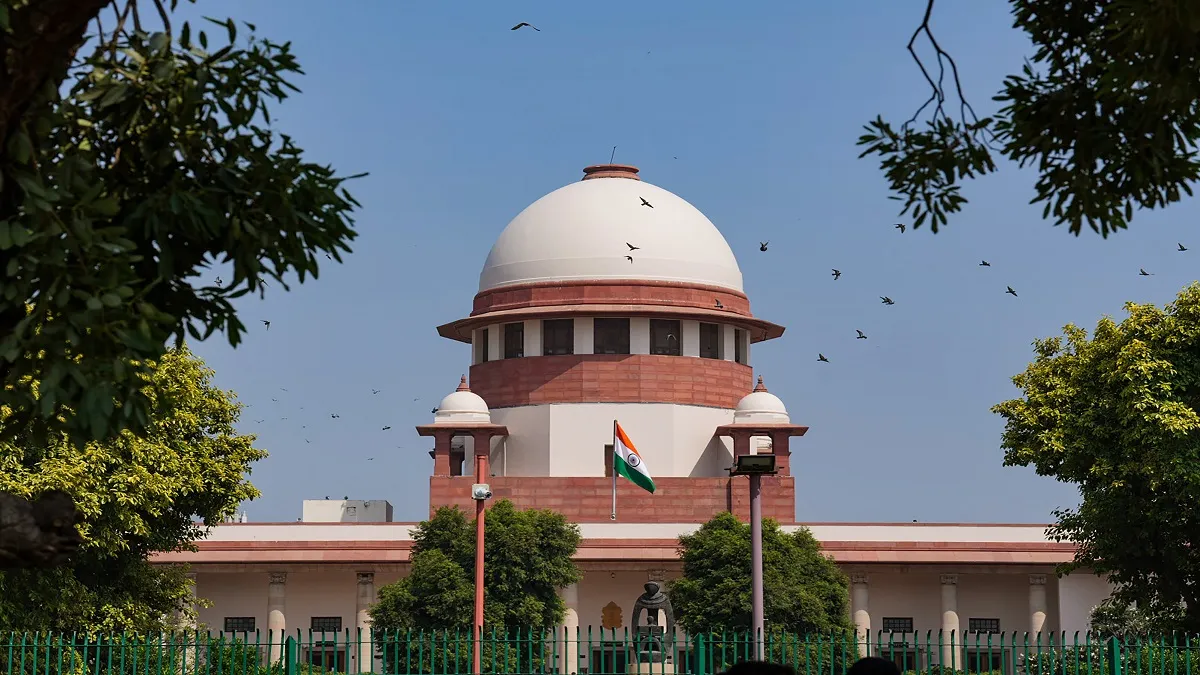
The Supreme Court on Thursday (September 4) initiated suo motu Public Interest Litigation (PIL) following a newspaper report highlighting the absence of functional CCTV cameras in police stations across India. The bench, comprising Justices Vikram Nath and Sandeep Mehta, noted that 11 deaths were reported in police custody in Rajasthan alone over the last 7-8 months in 2025. This prompted the apex court to take immediate cognisance of the issue.
CCTV installation: A mandate since 2020
The Supreme Court had earlier, in 2020, mandated the installation of CCTV cameras with night vision and audio capabilities in all police stations nationwide. This landmark judgment required both State and Union Territory Governments to ensure functional CCTV coverage at all critical points within police premises, including lock-ups and interrogation rooms. The court emphasised that footage must be preserved for at least 18 months and be made accessible during investigations related to custodial torture or deaths.
Persistent non-compliance and challenges
Despite clear directives, many police stations continue to lack functional CCTV cameras or have footage missing, often hindering investigations and accountability. Police agencies have frequently cited technical issues or the unavailability of footage as obstacles in cases involving custodial abuse. The apex court’s suo motu action underscores the ongoing gaps in compliance and enforcement.
Oversight and redressal mechanisms
The court also highlighted the role of State and Central oversight committees tasked with ensuring the procurement, installation, and maintenance of CCTV systems. It directed that in cases involving serious injuries or custodial deaths, victims or their families could approach human rights commissions or courts, which have the authority to summon CCTV footage for investigation and evidence preservation.

Next steps and broader impact
This suo motu PIL has been registered to compel strict adherence to existing laws on CCTV installation in police stations, aiming to enhance transparency and prevent custodial abuses. The Supreme Court is expected to monitor progress closely and demand action plans from states to address deficiencies without delay. This story reflects the judiciary's growing concern over custodial violence and the critical need for surveillance and accountability mechanisms in police stations nationwide.