
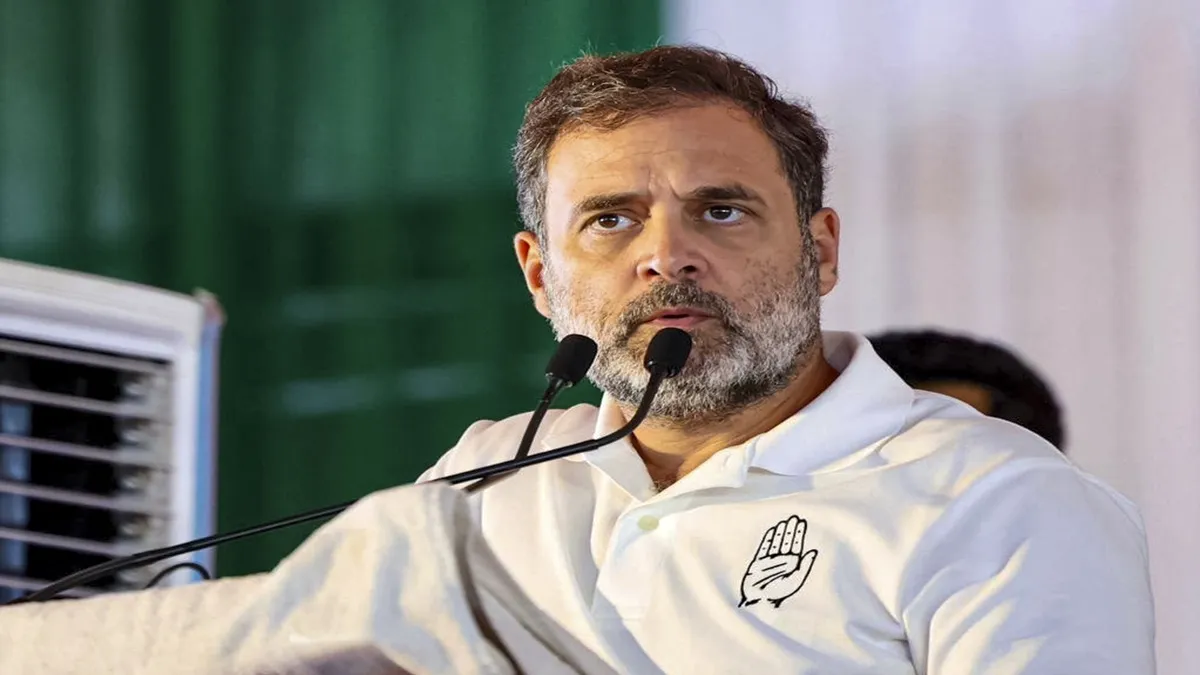
Congress leader and Leader of Opposition (LoP) in the Lok Sabha, Rahul Gandhi, on Wednesday submitted a formal note of dissent during a high-level meeting with Prime Minister Narendra Modi and Union Home Minister Amit Shah. The meeting was held to finalise appointments to key transparency institutions, including the Central Information Commission (CIC) and the Central Vigilance Commission (CVC). As per media reports, Gandhi recorded his dissent, alleging that the shortlists excluded candidates from the Scheduled Caste, Scheduled Tribe, OBC and EBC communities. He claimed there was a "systematic pattern" of excluding SC, ST, OBC, EBC and minority communities from appointments to Constitutional and autonomous institutions.
Data reveals a different trend
However, records indicate a contrasting picture over the years. The Central Information Commission, formed in 2005, did not see a single appointment from the SC or ST community between 2005 and 2014 when the United Progressive Alliance (UPA) was in power. It was only in 2018 that the National Democratic Alliance (NDA) government appointed Suresh Chandra, a member of the ST community, to the Commission.
In 2020, Heeralal Samariya joined as an Information Commissioner and in 2023 became the first-ever Chief Information Commissioner from the Scheduled Caste community.
Five of eight proposed names from disadvantaged groups
Regarding the eight vacancies examined on Wednesday (December 10), for the post of Information Commissioners, sources indicate that the Centre recommended one SC, one ST, one OBC, one minority candidate and one woman. In total, five of the eight recommended names were from disadvantaged groups. Government sources stressed that Rahul Gandhi's claims do not hold up when weighed against these figures.
Gandhi stresses exclusion to PM Modi and Amit Shah
Meanwhile, sources close to Rahul Gandhi say he strongly raised the issue with Prime Minister Narendra Modi and Union Home Minister Amit Shah during the same meeting. He flagged the exclusion of "90 per cent of Indians from Dalit, Adivasi, OBC or EBC and minority communities" in the selection of the CIC, eight Information Commissioners and one Vigilance Commissioner in the CVC.
According to these sources, Gandhi had earlier sought details of the caste composition of applicants. When the government provided the information on December 10, it reportedly admitted that less than 7 per cent of applicants and only one shortlisted candidate were from Bahujan communities. After Gandhi's intervention, the Prime Minister and Home Minister agreed to consider a few names from the limited pool of applicants, the sources added. Since the government holds a 2:1 majority in the committee, it remains to be seen how the dissent expressed by the Leader of Opposition influences the final appointments, sources added.
ALSO READ: Rahul Gandhi submits dissent note during meeting with PM Modi, Amit Shah over CIC and CVC picks
