
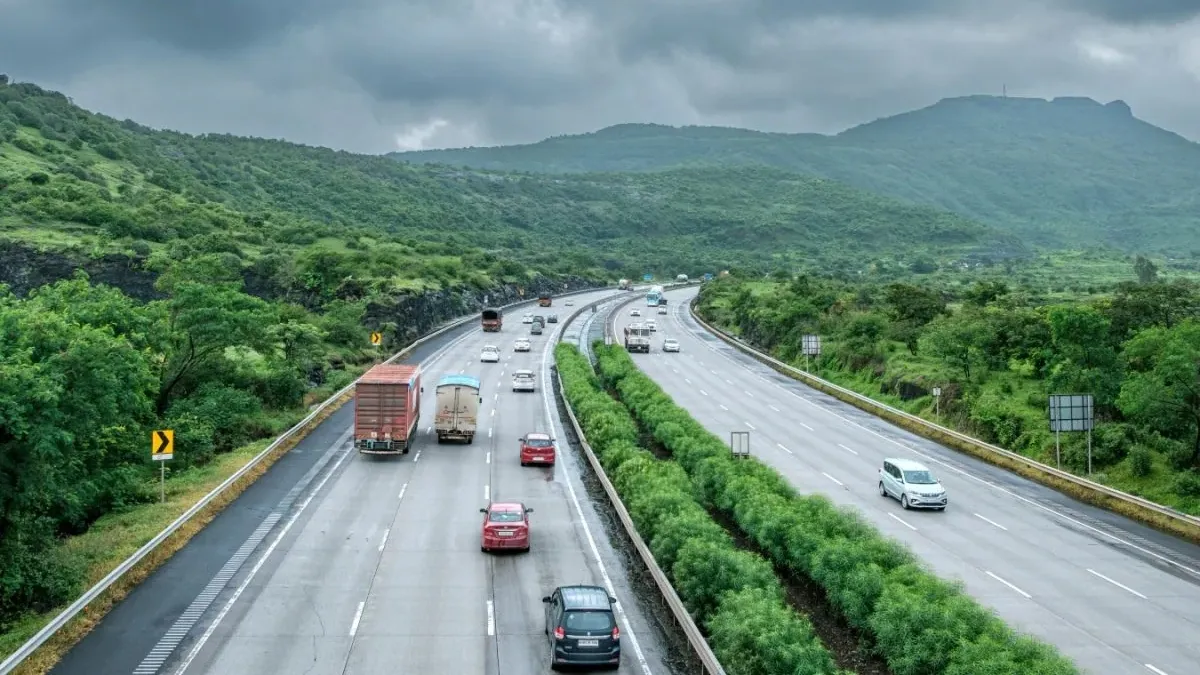
In a significant move that promises to change the way people travel between Mumbai and Pune, Maharashtra Chief Minister Devendra Fadnavis visited the ambitious Yashwantrao Chavan Mumbai-Pune Expressway Missing Link Project on July 12, 2025. Accompanied by Deputy Chief Minister Eknath Shinde, Member of Parliament Shrirang Appa Barne, and other senior government officials, Fadnavis reviewed the progress of the project, which promises not only to reduce travel time by up to 30 minutes but also to introduce some of the country’s most remarkable engineering feats.
The big promise: A 30-minute save
The Missing Link Project is designed to bypass one of the most congested parts of the Mumbai-Pune Expressway—the Lonavla-Khandala ghat section. Commuters have long faced long delays here due to narrow roads, frequent landslides, and heavy traffic, especially during peak hours. But this new project will change all that, slashing the journey time by 30 minutes and improving the overall experience for both daily commuters and tourists.
Once complete, the Missing Link will allow cars to glide past these bottlenecks in a smooth, uninterrupted drive. This is expected to drastically ease the stress for the 75,000 vehicles that currently use the expressway every day, turning what is now a gruelling journey into a much more manageable and even enjoyable experience.
The marvels of engineering: Tunnels and bridges
What makes the Missing Link Project stand out, however, are the technological marvels that come with it. Among the most impressive components is the 9-kilometre tunnel, which will not only be the longest in India but also the widest in the world.
The tunnel will run under the Lonavla Lake, some parts of which are as deep as 170 feet, and will be a critical feature in overcoming the natural challenges of the region. Alongside the tunnel, a 185-meter-high cable-stayed bridge is being constructed, which will eventually stand as the tallest bridge in India. The bridge will soar above the Tiger Valley in the
Lonavla-Khandala region, offering breathtaking views while ensuring a smoother, safer passage for vehicles.
These infrastructure feats are a testament to the skill and determination behind this project. For Fadnavis, they represent the future of Maharashtra—a state embracing cutting-edge technology to overcome the challenges posed by geography and population growth.
A glimpse of the future: Expanding capacity and ensuring safety
The Missing Link Project isn’t just about reducing travel time. It’s also about improving the flow of traffic and ensuring safety. Viaducts measuring 790 meters and 650 meters are being constructed, further streamlining the route. Additionally, heavy rainfall and landslides, which have plagued the old route, will no longer pose a significant risk to smooth traffic flow.
The total cost of the Missing Link Project is estimated at Rs 6,695 crore, a hefty sum, but one that is expected to bring enormous long-term returns by boosting travel and trade efficiency. More than just a simple infrastructure project, it reflects Maharashtra’s larger vision for the future: faster, safer, and smarter connectivity.
But that’s not all. Fadnavis announced that the Mumbai-Pune Expressway will be expanded from six lanes to ten lanes by 2026, further enhancing the capacity of the road. This expansion, pegged at an additional Rs 14,000 crore investment, is set to make the expressway a true superhighway, capable of handling growing traffic demands without increasing toll costs for commuters. Government officials are also looking at increasing the speed limit for trucks and buses, reducing bottlenecks that often occur in the ghat section.
A bigger vision: Connecting Maharashtra's heart
Fadnavis’s inspection wasn’t just about the Mumbai-Pune Expressway. The CM also visited the Navi Mumbai International Airport (NMIA), another crucial project designed to boost Maharashtra’s infrastructure. With 94% of the physical progress already completed, the new airport is on track to further enhance the state’s connectivity. Once operational, NMIA will make travel more accessible, not just for locals but for international tourists and businesses as well.
Together, the Missing Link and Navi Mumbai International Airport projects are poised to redefine travel in Maharashtra, aligning with the state’s broader goals of modernising infrastructure, driving economic growth, and making life more convenient for millions.
A new era of infrastructure in Maharashtra
CM Fadnavis's visit to the site of the Missing Link Project signals the beginning of a new era in Maharashtra’s transportation network. The combination of cutting-edge technology, world-class engineering, and ambitious plans will not only enhance connectivity but will also serve as a model for other states looking to tackle similar infrastructural challenges.
The promise of a 30-minute travel time reduction might seem small, but for the tens of thousands of commuters who travel daily between Mumbai and Pune, it’s a game-changer. No longer will they be stuck in traffic, dealing with delays and unpredictable conditions. Instead, they will be able to enjoy a smoother, faster journey, with the knowledge that this new era of infrastructure is just the beginning.
For the people of Maharashtra, it’s clear: the future is on the fast track.
