
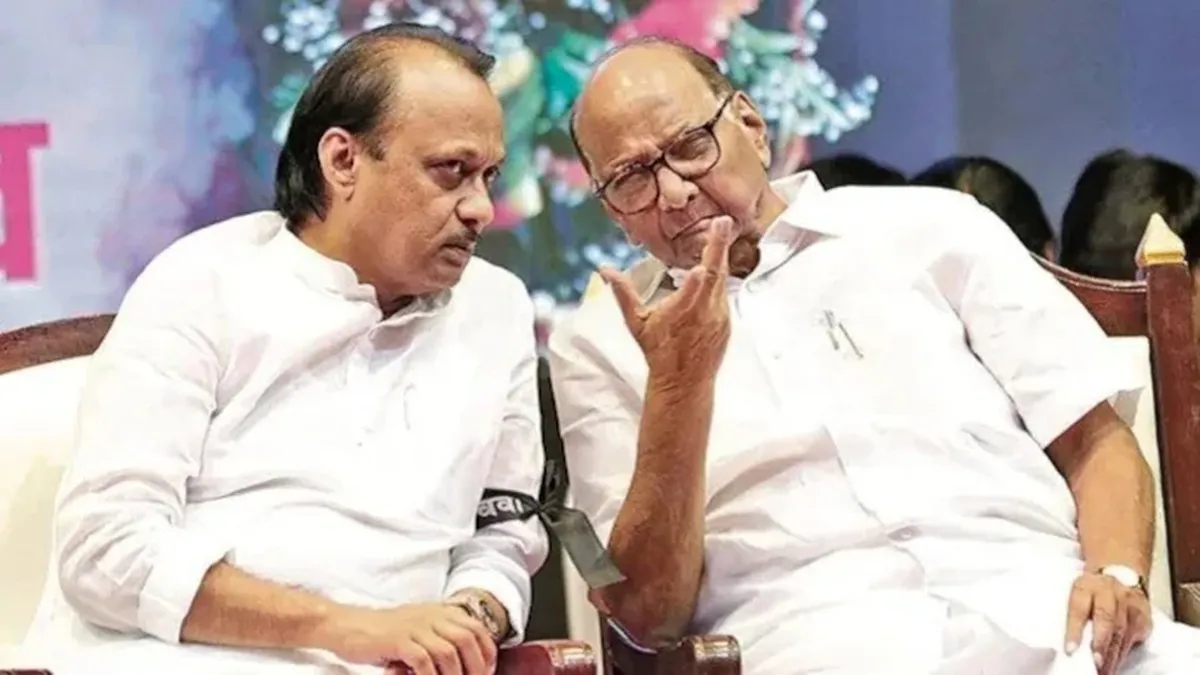
Maharashtra Deputy Chief Minister Ajit Pawar was determined to bring together the two factions of the Nationalist Congress Party (NCP) and the merger was just days away from being announced, a close associate has revealed. Kiran Gujar, who had been with Ajit Pawar since the mid-1980s, told PTI that the late leader had spoken to him about the impending unification only five days before the tragic plane crash on Wednesday (January 28). "He was one hundred per cent keen on merging both the factions. He told me five days ago that the entire process was complete and that the merger would take place within the next few days," Gujar added.
Merger plan discussed before civic polls
Gujar added that Ajit Pawar had even shared his intention with select journalists during the recent civic polls, which both NCP factions contested in alliance. Ajit had said he wanted the merger to be formalised while his uncle, Sharad Pawar, remained in good health. After successfully contesting the January 15 civic elections in Pune and Pimpri Chinchwad together, both factions also decided to continue their alliance for the upcoming Zilla Parishad elections next month. Gujar further claimed that Ajit Pawar had already prepared a clear roadmap for the merged party and its future functioning.
'Positive talks underway with senior Pawar'
When asked whether Ajit had discussed the matter with Sharad Pawar, Gujar confirmed that "positive talks were underway with Pawar saheb, Supriya Tai (Sule) and other senior leaders". He added that there were strong indications that Sharad Pawar would have endorsed the merger. "Many positive things were on the cards... but this tragedy struck and took Ajit dada away from us... Now, after his death, it has become even more important for both factions to unite and work for the development of Baramati and Maharashtra," he added.
Aide remembers Ajit Pawar's early journey
Gujar, who has been associated with the Pawar family for more than four decades, was known to be one of Ajit Pawar's closest confidants. Recalling the early years, he said that after Ajit won the election to the Chhatrapati Cooperative Sugar Mill in 1981, he was encouraged to enter mainstream politics. "Initially, he was reluctant and wanted to focus on his family and farming. But after Pawar saheb became chief minister in the late 1980s, there was a need for young leadership in Baramati, and dada stepped into that role," Gujar said. He added that development in the region will continue, but "a leader like Ajit dada will not emerge again".
