
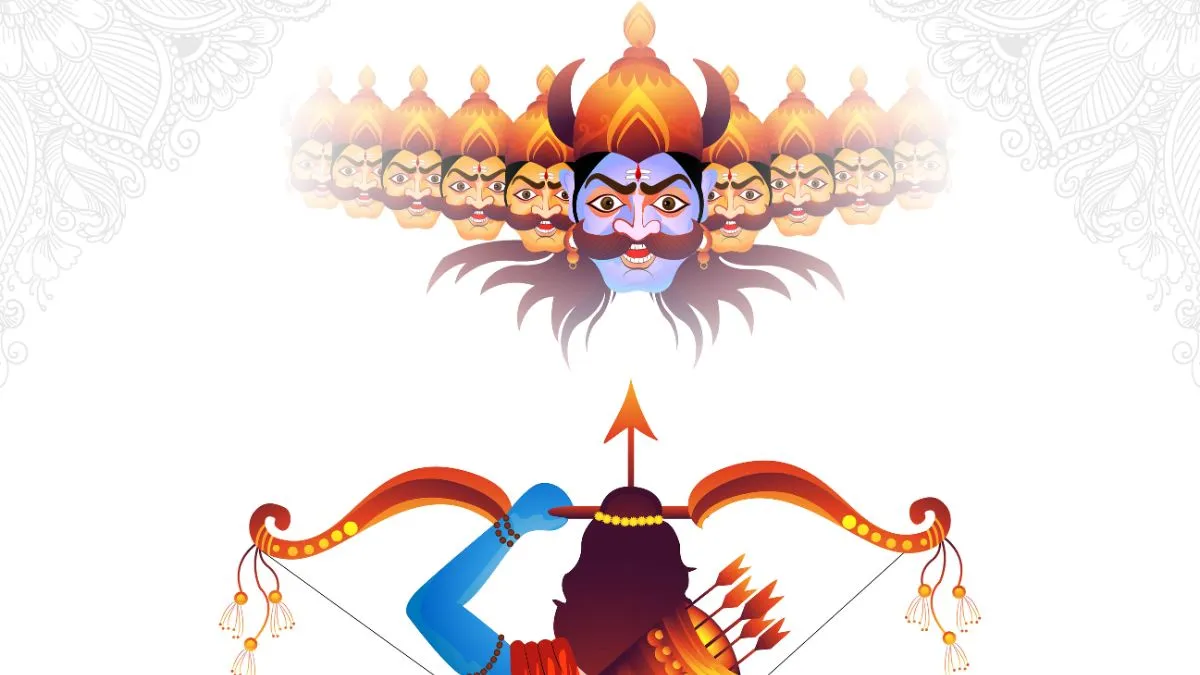
As Navratri ends, Dussehra (Vijayadashami) brings in the day of victory of good over evil, of Rama defeating Ravana, and of Durga defeating Mahishasura. In 2025, the holiday occurs on Thursday, 2 October, with favourable times for puja ritual and deep-seated regional traditions that provide Dussehra its rich tapestry in India.
Although the Vijay Muhurat, or the best time to worship, is the same across the country, the manner in which people celebrate Dussehra differs, ranging from effigy burning and elaborate Ramleela shows in North India, to Goddess immersion in Bengal, and royal festivities in the south. First look at the muhurat, then journey through regional traditions. puja muhurat 2025
Dussehra puja muhurat 2025
According to Drik Panchang and reporting from various news outlets:
- Vijay Muhurat (the prime window for rituals): 02:09 PM to 02:57 PM on 2 October 2025
- Aparahna Puja Time (afternoon worship window): 01:21 PM to 03:44 PM (duration ∼ 2 h 24 min)
- Dashami Tithi Timing: Begins at 07:01 PM on October 1, 2025 and ends at 07:10 PM on October 2
These timing windows are considered ideal for performing the main puja, invoking rituals, and for Ravan Dahan (effigy burning) in many regions.
City-wise Dussehra puja timing
Here’s a comparative table of Vijay Muhurat times in major cities (from Drik Panchang’s listings):
| City | Vijay Muhurat (2025) |
| New Delhi | 02:09 PM – 02:56 PM |
| Pune | 02:23 PM – 03:11 PM |
| Mumbai | 6:26 PM to 8:00 PM |
| Lucknow | 5:52 PM to 8:00 PM |
| Noida | 6:05 PM to 8:00 PM |
| Dehradun | 6:02 PM to 8:00 PM |
| Jammu | 6:14 PM to 8:00 PM |
| Varanasi | 5:45 PM to 8:00 PM |
| Chennai | 01:58 PM – 02:46 PM |
| Kolkata | 01:25 PM – 02:12 PM |
| Hyderabad | 02:05 PM – 02:53 PM |
| Chandigarh | 6:10 PM to 8:00 PM |
| Jaipur | 6:16 PM to 8:00 PM |
| Ranchi | 6:39 PM to 8:00 PM |
| Patna | 5:36 PM to 8:00 PM |
| Ayodhya | 5:46 PM to 8:00 PM |
| Ahmedabad | 02:28 PM – 03:15 PM |
Regional traditions and special customs for Dussehra
North and Central India
- Ramlila and effigy burning: In Delhi, Varanasi, Lucknow and beyond, the dramatic Ramleela plays recounting the Ramayana culminate in Ravan, Kumbhakarna, and Meghnad being burned at dusk.
- Shami Puja / Shami tree worship: In many regions, people worship the Shami (Vilva) tree, exchange its leaves (“Apta” leaves) as a symbolic gift.
- Seema Avalanghan / border crossing: In some traditions, devotees walk across village boundaries as a symbolic gesture of courage and conquest.
West India (Maharashtra, Gujarat)
- Many host community Ramleelas and effigy burnings in public grounds.
- In Maharashtra, Dasara is also associated with new beginnings — starting work, vehicle worship, and touching elders’ feet.
Eastern India (West Bengal, Assam)
- Durga Visarjan / Immersion: Here, Dussehra is also the last day of Durga Puja — the idols of Goddess Durga and her children are carried in procession for immersion (Visarjan).
- It is known as Bijoya Dashami, which is celebrated with the sharing of sweets, visiting kin, and changing clothes.
Southern India
- Royal processions / Mysore Dasara: In Karnataka, the state capital Mysuru holds grand Dasara celebrations, royal processions, and the famous elephant parade.
- Tool worship / Ayudha Puja: In Tamil Nadu, Kerala, Karnataka, agriculturists, artisans and students often worship their tools, instruments, and instruments of learning (books) on this day.
- In Tamil culture, Vijayadashami is considered auspicious for beginning learning, the ‘Vidyarambham’ ceremony, where children are introduced to letters.
This Dussehra, let the muhurat guide your rituals and let regional tradition enrich your experience. May your celebrations be auspicious, meaningful, and full of dharmic joy.
