
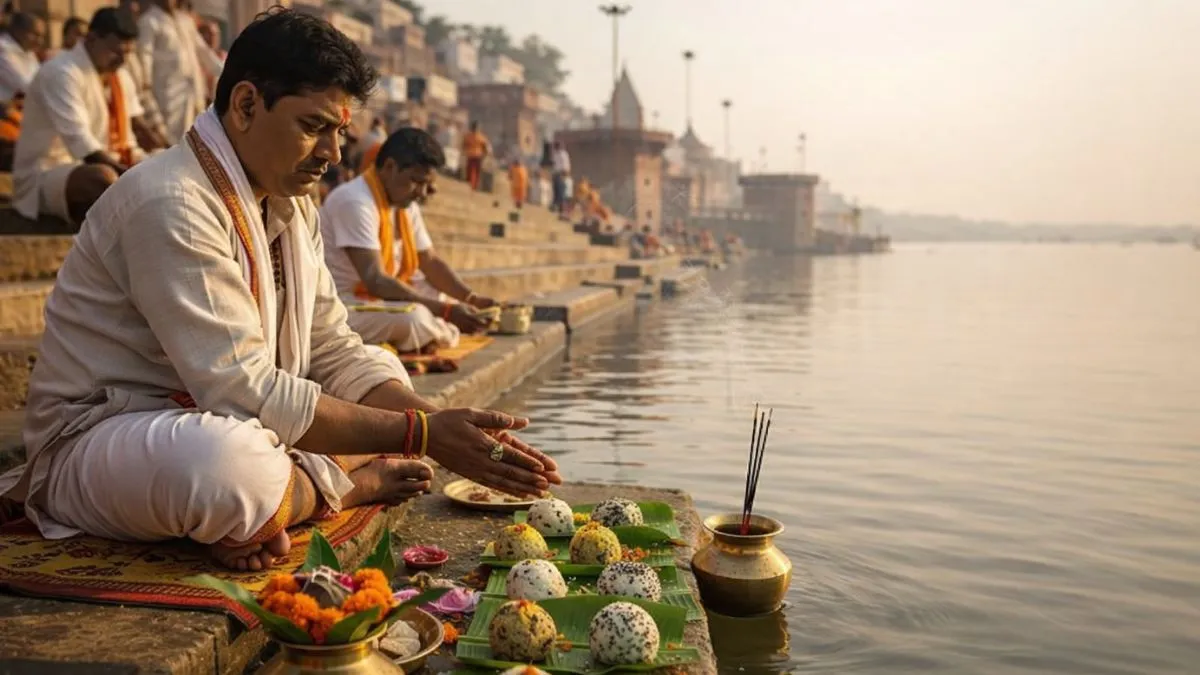
Amavasya shows up every month on the lunar calendar, but not all new moons carry the same spiritual weight. Phalguna Amavasya sits in that slightly elevated category. The kind people tend to circle mentally even if they do not mark every other Amavasya with the same attention. There is a certain stillness associated with it. Quieter observances. More intentional rituals.
For many devotees, it is not just another no-moon night, but a day tied closely to ancestral remembrance, ritual cleansing and quiet acts of charity that are believed to carry added spiritual return. Homes feel a little more prayerful. Temples see a steadier footfall. Even simple gestures, lighting a lamp, offering water, donating food, are done with a touch more mindfulness than usual.
Phalguna Amavasya 2026: Date and tithi timings
This year, Phalguna Amavasya will be observed on February 17, 2026. The Amavasya tithi begins at 5:34 pm on February 16 and concludes at 5:30 pm on February 17. As with most Hindu observances, rituals are typically aligned with the tithi window rather than the sunrise calendar date, which is why timing matters for those observing fasts or performing rites.
Solar eclipse on Phalguna Amavasya: Will it be visible?
Yes, the first solar eclipse of the year does coincide with this Phalguna Amavasya. It will be an annular solar eclipse, the kind where the Moon does not completely cover the Sun, leaving behind that distinct “ring of fire” effect. Striking to look at, though brief in peak visibility. That said, it will not be visible in India, so ritual practices linked to eclipse viewing will not apply locally.
Phalguna Amavasya rituals and ancestral offerings
Spiritually, the day is considered especially suitable for Shraadh, Tarpan and Pind Daan, rituals performed in honour of ancestors. The belief framework here is rooted in gratitude and karmic continuity, offering prayers and symbolic nourishment to departed souls. Many families choose this Amavasya specifically for remembrance rites, even if they do not observe them monthly.
Charity, holy bathing and fasting significance
Ritual bathing, particularly in holy rivers, holds strong importance on this day. Acts of daan, donating food, clothes or money, are believed to yield heightened punya, or spiritual merit. Feeding the poor is another commonly observed practice. Some devotees also keep a fast, treating the day as one of restraint, reflection and quiet prayer rather than routine activity.
Spiritual beliefs linked to the new moon day
There is also a wider belief that good deeds performed on Phalguna Amavasya invite happiness, stability and prosperity into one’s life. Lighting diyas in the evening is considered symbolically powerful, representing guidance for ancestral souls and the removal of inner darkness.
Disclaimer: The information provided here is based on religious beliefs and popular traditions. There is no scientific evidence to support it. India TV does not vouch for the accuracy of any of the information.
ALSO READ: Mahashivratri 2026: These 5 Puja items are a must to worship Lord Shiva
