
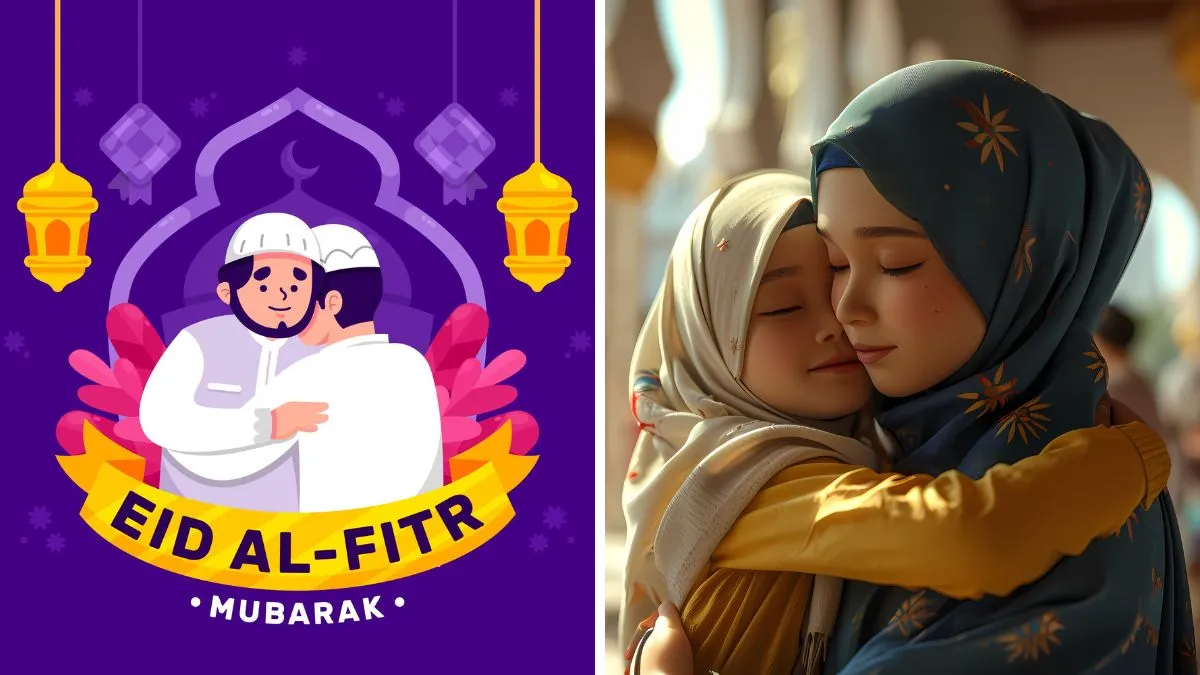
Eid greetings often begin the same way. A smile, a warm “Eid Mubarak”, and then a hug that feels just a little more meaningful than usual. It’s not just emotion. There’s a reason why Eid hugs feel different.
After a month of fasting, reflection, and spiritual discipline, people don’t just celebrate. They reconnect. And that shift is as psychological as it is cultural.
A month that changes how we feel
Ramadan is not only about fasting. It is also a period of conscious self-regulation. “For nearly 30 days, people practise patience, empathy, gratitude, and restraint. This changes emotional processing and increases awareness of relationships,” explains Dr Murali Krishna, Consultant – Psychiatry and Counselling Services, Aster RV Hospital, Bangalore.
By the time Eid arrives, people are more emotionally aware and more open to connection.
Why hugs feel more intense
There is also a biological reason behind it. Hugging triggers the release of oxytocin, often called the bonding hormone. This hormone promotes feelings of trust, warmth, and emotional closeness. “After a month focused on spirituality and compassion, this response can feel more intense and meaningful,” says Dr Krishna.
So what feels like a simple hug is actually a layered emotional response.
The power of shared experience
Fasting during Ramadan is rarely an individual experience. It is collective. Waking up early, fasting through the day, praying, and practising charity become shared routines across families and communities.
“This creates what psychologists call communal synchrony, where shared rituals strengthen social bonds,” Dr Krishna explains. By Eid, that shared journey turns into a sense of collective achievement. And hugs become a way of acknowledging that.
Reflection makes the connection deeper
Ramadan also encourages introspection. Many people spend time reflecting, praying, and engaging in acts of kindness. This can increase emotional sensitivity and appreciation for relationships.
As a result, meeting loved ones after a month feels different. Warmer, fuller, more present.
More than just a greeting
Eid hugs are not just social gestures. They carry layers of meaning. Relief after a month of discipline. Gratitude for what one has. A sense of renewal. And most importantly, belonging. That is why they linger a little longer.
Sometimes, the smallest gestures carry the deepest meaning. After a month of fasting and reflection, an Eid hug becomes more than a greeting. It becomes a quiet expression of everything that was felt, practised, and shared.
