
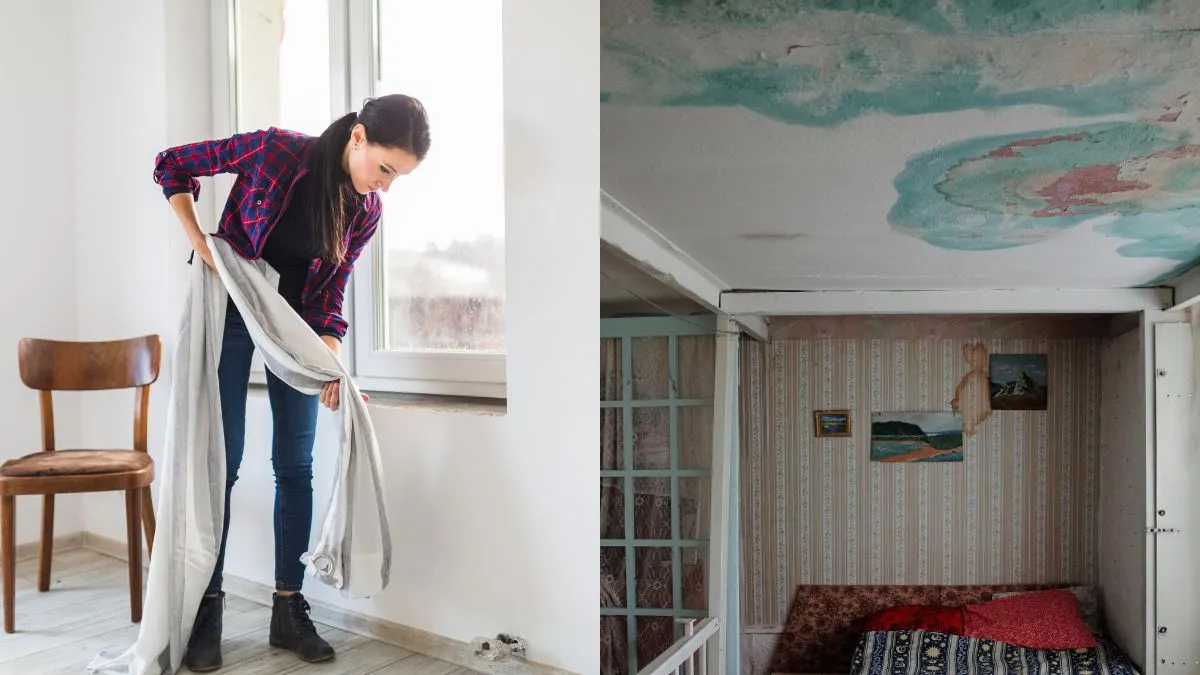
Dampness in-house is a problem faced by numerous homes, especially during the monsoon or in areas with poor ventilation. It starts from the smallest signs, such as peeling paint, musty smell, or patches on the wall. When at first it may seem like a minor issue, the dampness may soon turn into a real nightmare if left alone.
On the other hand, without giving the least concern to your house's structure and indemnity, your health is also at risk owing to the dampness. Mould and mildew flourish in wet soil, giving rise to breathing problems, skin ailments, and allergies. Children and aged persons are most vulnerable to such cases; hence, it becomes necessary to check dampness as soon as it sets in.
How to get rid of mould and dampness in your home
Check the source of dampness
The first step is to find out where the dampness is coming from. Leaking pipes, roof seepage, poor drainage, or cracks in the walls are common culprits. Sometimes, dampness shows up in areas near kitchens or bathrooms because of continuous water usage. Once the source is identified, the solution becomes easier.
Improve ventilation
Good airflow helps reduce moisture indoors. Keep windows open whenever possible and use exhaust fans in bathrooms and kitchens. Sunlight is a natural disinfectant, so letting it in helps too. If your home doesn’t get much sun, use a dehumidifier or place bowls of salt in corners to absorb excess moisture.
Home remedies for small patches
If dampness is limited to a small area, you can clean mould with a mix of water and vinegar. After the cleaning of the surface, it may be wise to apply paint or a sealant that prevents water infiltration. Sometimes it would even help just to pull the furniture slightly away from the walls so that air circulation can proceed easily.
Long-term solutions for dampness and mould
When dampness keeps coming back, you can think of getting it waterproofed. Waterproofing a structure means fixing all sources of moisture ingress. These may include leaking roofs, cracked walls, or a faulty drainage system, which, once rectified, greatly lessen the chance of recurrence. Those few dusties are indeed an investment worth making, as they would save quite a bit in maintenance charges down the road by safeguarding the structure of your house.
A dry, fresh, and healthy home is possible with timely care and consistent maintenance. Just follow the right tips!
