
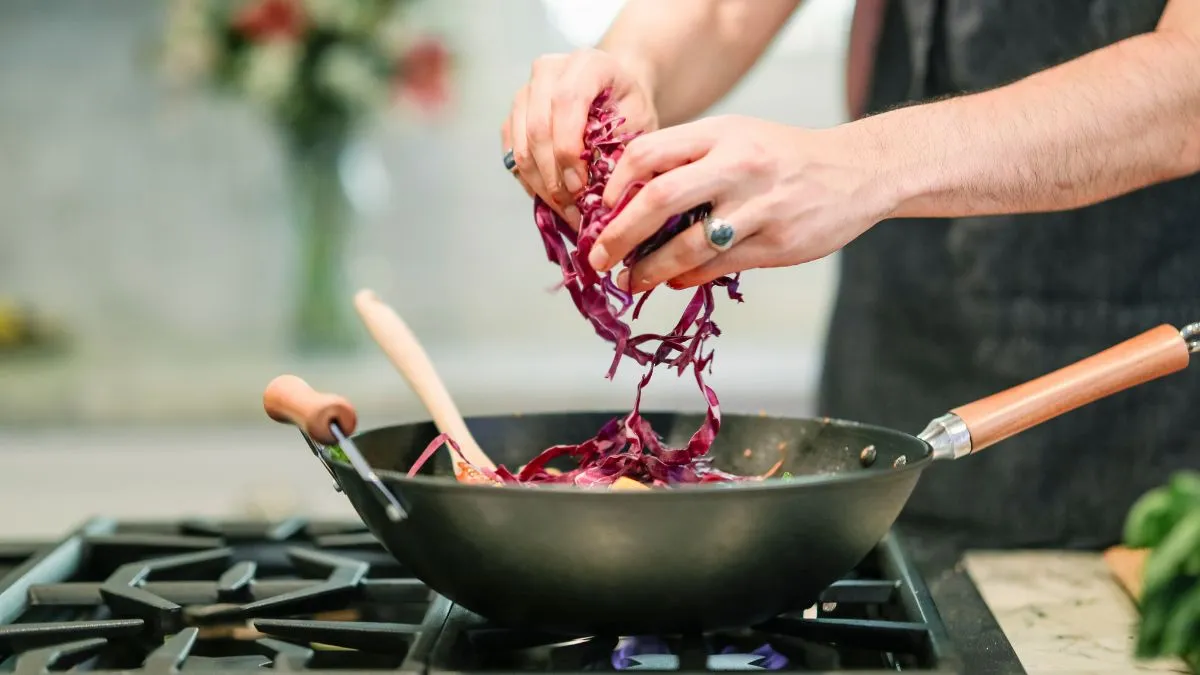
Cooking is often seen as instinctive, something you “just learn” over time. But behind every dish is science, heat, chemistry and timing working together. When something goes wrong, it’s rarely bad luck. It’s usually a small mistake that changes how food behaves.
Understanding these mistakes can instantly upgrade the way your food tastes, smells and even feels.
Cooking mistakes that are ruining your food
Overcrowding the pan kills flavour
When you add too much food to a pan at once, the temperature drops. Instead of searing, the food starts to steam. This prevents the Maillard reaction, the chemical process responsible for browning and deep flavour. That golden crust on vegetables or meat? It only happens when heat is high and moisture is low.
Not preheating properly
Throwing food into a cold pan or oven delays cooking and affects texture. Heat needs time to stabilise. Improper preheating of foods will lead to proteins not being cooked evenly and also cause vegetables to exude water faster, thus becoming soggy and not crispy.
Addition of salt at improper times
Salt affects more than just the flavour of food. Salting vegetables too early draws out water through osmosis, which can make them limp. On the other hand, salting meat in advance helps it retain moisture and enhances flavour. Timing matters more than quantity.
Using very high heat all the time
More heat does not mean better cooking. High heat can burn the outside while leaving the inside undercooked. It also breaks down delicate nutrients and can create bitter flavours due to over-caramelisation. Various dishes need various amounts of heat; it's all about balance.
Always stirring and flipping
It just seems natural to keep stirring the food constantly, but in fact, it destroys its texture. Foods must have sufficient time exposed to heat in order to gain color and taste.
Skipping resting time
Cutting into food immediately after cooking releases all its juices. Whether it’s meat or even cooked rice, resting allows moisture to redistribute. Without it, food turns dry and less flavourful.
Ignoring temperature of ingredients
Cooks may experience uneven cooking by directly taking ingredients from refrigerators. Cold ingredients reduce temperature in the pan and cause uneven cooking. Ingredients at room temperature cook more evenly and assist in achieving appropriate temperature balance.
Overcooking vegetables
Overcooking does more than make vegetables mushy. Heat-sensitive nutrients such as vitamin C are quickly broken down by excessive heat. Overcooking ruins the texture, color, and natural sweetness of the vegetable.
The best chefs focus on food reactions to heat, salts, and timing rather than expensive ingredients.
When the science behind food cooking is perfected, even simple meals become tastier. In other words, cooking is where little things make all the difference.
Also read: MasterChef winner-approved recipe: 3 ice creams in 10 minutes with just 5 ingredients
