
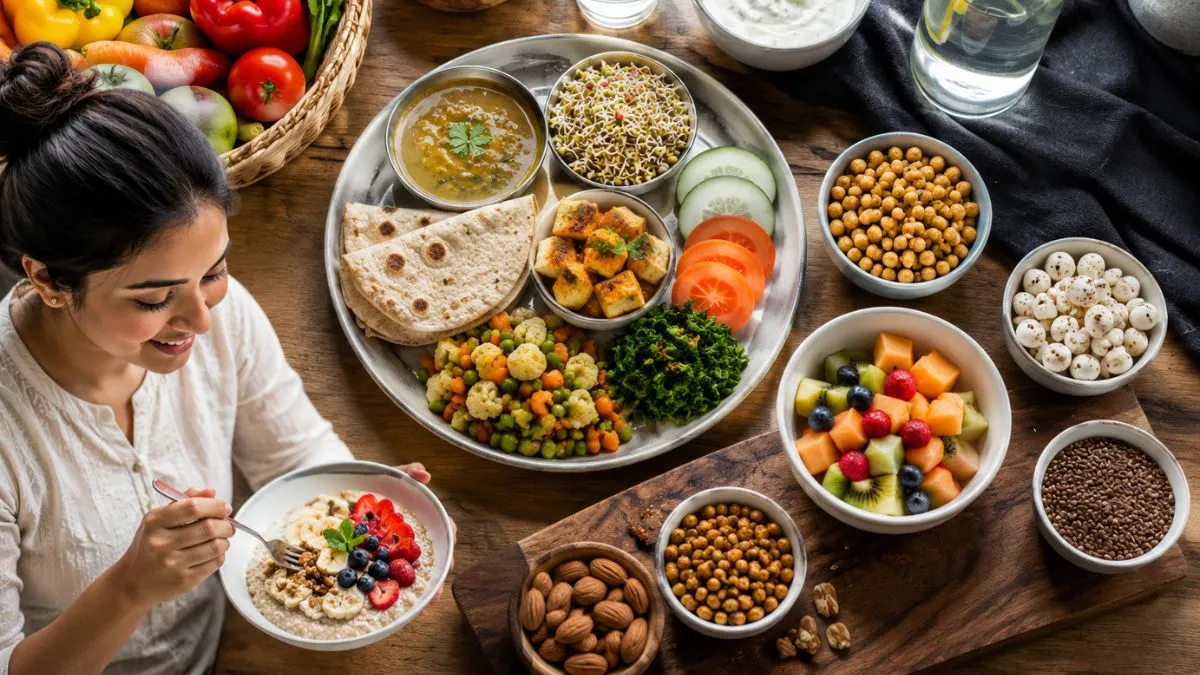
Often in Indian homes, it is women who make the decisions regarding food selection. However, at times, this decision is for everyone except themselves. The food that people eat on a daily basis may be influenced by ease and other factors like time constraints and family preferences. Over time, this can contribute to fatigue, weight gain, poor digestion, hormonal imbalance, and increased risk of lifestyle conditions like diabetes, thyroid disorders, or hypertension.
According to Dr Anju Ghei, Vice President and Head of Preventive Health at VLCC Healthcare, the objective is not to completely change traditional Indian meals, but to make small, practical corrections that improve nutrition without making daily cooking complicated.
Fix breakfast first because it sets the day’s energy
A common issue seen in daily diets is an incomplete breakfast or one dominated by refined carbohydrates. Tea with biscuits or parathas made from refined flour often fails to provide sustained energy. Simple swaps can include replacing refined flour with whole wheat or millet-based options, adding protein like eggs, paneer, sprouts, or curd, and including fibre through fruits or vegetables wherever possible.
According to the expert, these changes may help improve energy levels and reduce mid-morning hunger spikes.
Lunch and dinner should focus on balance, not restriction
Most Indian home meals are already balanced structurally, but cooking methods and portions often need adjustment.
Dr Anju Ghei suggests following a practical plate approach:
- Half a plate of vegetables
- One-quarter protein, such as dal, legumes, paneer or eggs
- One quarter carbohydrates like rice or roti
Other useful swaps include replacing white rice with brown rice or millets two to three times a week and avoiding deep frying wherever possible. The expert says steaming, boiling, grilling and light sautéing are better alternatives for daily cooking.
Including curd regularly may also help support gut health.
Calories that are not required are usually found in snacks
In the evening, tea is usually taken with biscuits, namkeens or fried snacks that contain unhealthy ingredients like carbohydrates, fats, and extra salt. However, the nutritionist suggests healthy snacks like roasted chana, makhana, nuts consumed in moderation, and fruits to replace unhealthy snacking.
These could help achieve the desired result without consuming unnecessary calories.
It becomes important to stay hydrated and reduce the consumption of sugar
Most women usually don't drink adequate amounts of water on a daily basis, which can affect digestion, metabolism, skin health, and energy. Dr Ghei suggests drinking water on a regular basis instead of taking water in bulk once or twice a day. She further explains that the excessive consumption of sugar is common through tea and packaged items, such as snacks and desserts. Rather than cutting out sugar abruptly, the process of reducing its consumption is likely to be more efficient.
Little changes are better than strict dieting
According to Dr Anju Ghei, achieving long-term improvement in health does not involve complicated diets or restrictive foods. The best results would generally be achieved through balanced meals, proper portions, healthy protein consumption, less refined food and regular hydration.
Dr Ghei strongly believes that a nutritious diet must not be alienated from Indian cuisine. Little changes in food choices made regularly are enough to make one feel healthier and more energetic.
Also read: Why protein bars and salads may be triggering digestive issues
