
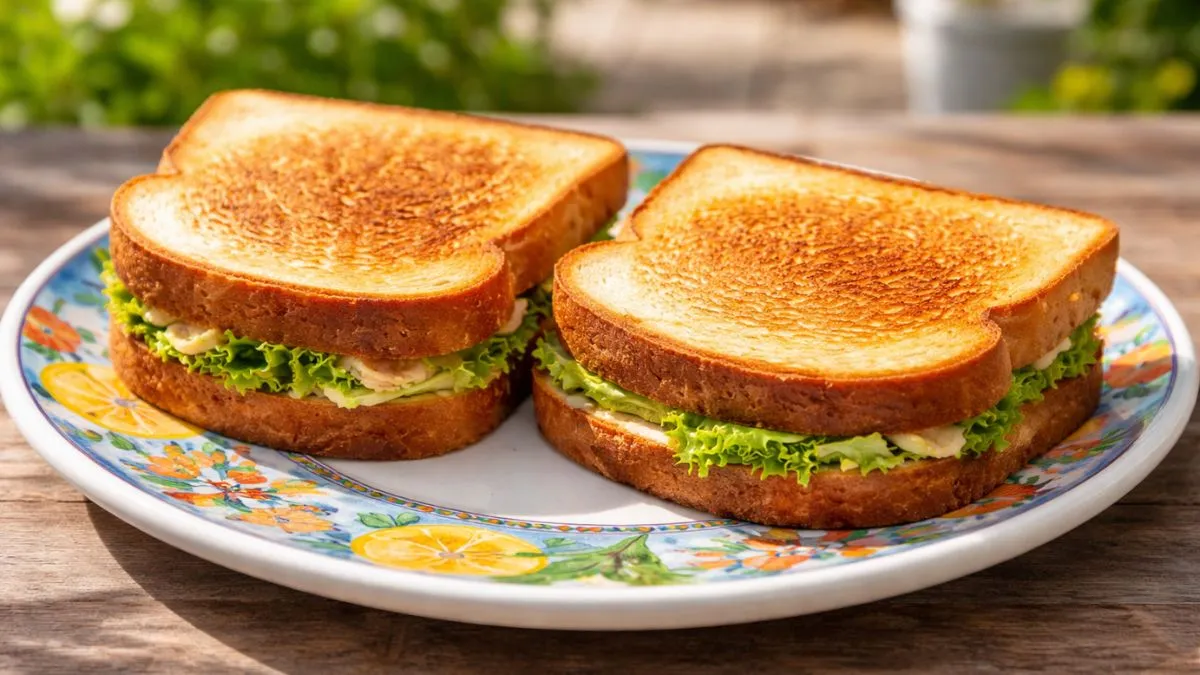
Protein is one of those things everyone talks about, but it’s not always easy to get right. It supports cell repair, helps build new tissues, and is basically involved in how your body keeps running. Every cell contains it, so your daily intake does matter.
But if you are vegetarian, things can get a bit tricky. Hitting your protein target without going overboard on calories or ending up bloated is not always straightforward. A lot of options either fall short on protein or come with extra calories you don’t really want.
High protein vegetarian breakfast idea
To make things simpler, Shivani, a Canada-based content creator, shared a quick breakfast option that is easy to put together and actually filling. She posted it on Instagram on March 24, calling it one of her go to meals.
“This is one of my go-to options. Easy filling high-protein breakfast,” she wrote.
The sandwich packs around 20 grams of protein and does not require anything complicated.
Ingredients for the protein rich sandwich
Here’s what you need:
- 100 g boiled chickpeas
- Chopped onions
- Chopped cucumber
- Grated carrot
- Cilantro
- 50 g Greek yoghurt
- Chilli powder
- Salt
- Chilli oil (optional)
- High protein bread
How to make the sandwich
- Add boiled chickpeas to a bowl and mash them slightly
- Add chopped onions, cucumber, and grated carrot
- Mix in Greek yoghurt and cilantro
- Season with salt, chilli powder, and chilli oil as per taste
- Combine everything well to form a spread
- Apply the mixture between slices of high protein bread
- Toast until golden brown and crisp
- Serve with any condiment of your choice
How much protein do you actually need daily
According to the Recommended Dietary Allowance, an average adult needs about 0.75 to 0.8 grams of protein per kilogram of body weight.
That works out to roughly:
- 45 g per day for a 60 kg woman
- 55 g per day for a 75 kg man
For a 50-year-old woman weighing 63.5 kg and leading a sedentary lifestyle, the requirement is around 53 grams per day, as per Harvard Health.
It is worth noting that the RDA is the minimum amount needed to meet basic nutritional requirements. It is meant to prevent deficiency, not necessarily represent the ideal intake for everyone every day.
ALSO READ: 5 quick and easy high-protein breakfast recipes you can make in 10 minutes
