
Skincare trends come and go, but dermatologists are famously consistent about one thing: protecting the skin barrier at all costs. That’s why a Instagram post by Dr Sridevi Raichur struck a chord. It quietly calls out everyday products many of us still swear by, but skin experts actively avoid.
The message is blunt, science-backed, and refreshingly free of product pushing. Here’s what’s on that “never at home” list, and the skin logic behind it.
1. Loofahs
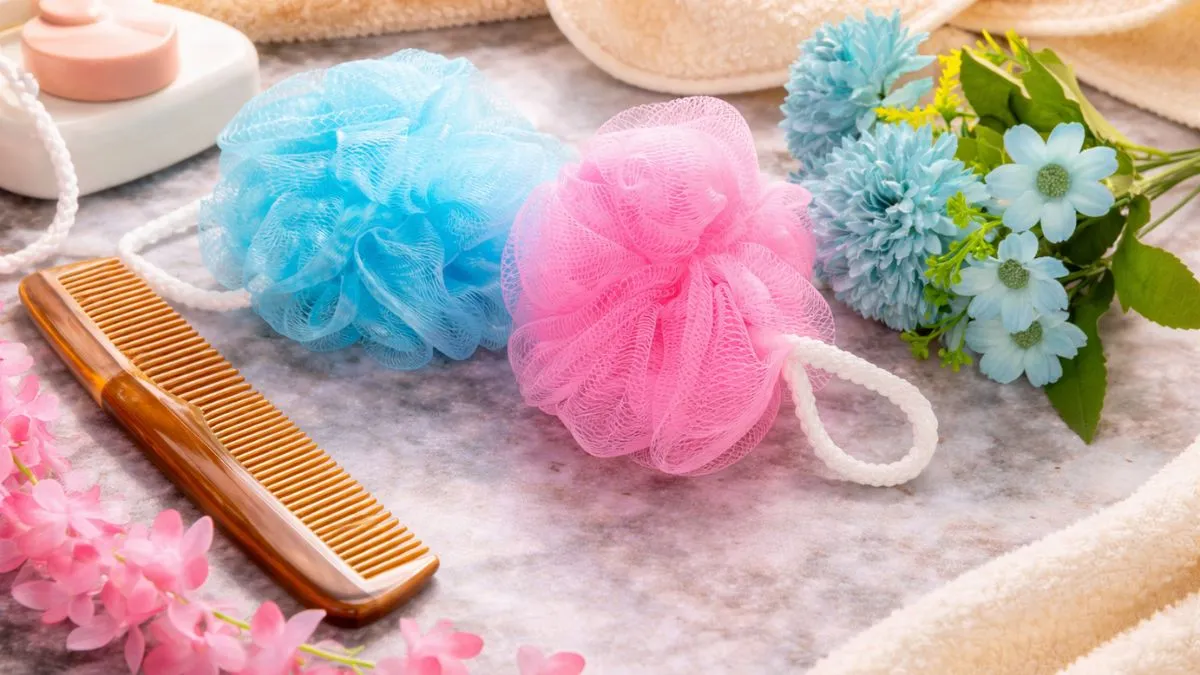
They look harmless, even spa-like. In reality, loofahs are a perfect breeding ground for bacteria and fungus, especially in damp bathrooms. Add aggressive exfoliation to the mix, and you’re looking at micro-tears, irritation, and a compromised skin barrier. Dermatologists prefer gentle cleansing with hands or a soft cloth, used sparingly. Exfoliation is a treatment, not a daily sport.
2. Plastic combs
Your plastic comb is secretly ruining your hair. Plastic hair combs cause static electricity in your hair, resulting in frizzy hair, hair breakage, and irritation to the scalp, especially for people with dry or sensitive scalps. Dermatologists and trichologists usually recommend using wooden hair combs or wide-tooth combs.
3. Nose strips
Yes, they deliver instant gratification. No, they don’t solve blackheads. Nose strips rip out oil plugs along with part of your skin barrier, leaving pores irritated and primed to clog again. As Dr Raichur points out, they are a temporary fix with long-term consequences. Consistent cleansing, exfoliation with the right acids, and barrier repair work far better.
4. Makeup wipes
Convenient? Absolutely. Skin-friendly? Not really. Makeup wipes often disrupt skin pH, leave residue behind, and are loaded with alcohols and fragrances that dry and irritate. They also score poorly on sustainability. Dermatologists typically favour gentle cleansers or micellar water followed by a proper rinse. Boring, yes, but effective.
5. “Anti hair-fall” shampoos
Here’s the hard truth: no shampoo can cure hair fall. Period. Hair fall usually starts internally through hormones, nutrition, stress, or scalp health, not at the surface. Shampoos can support scalp health, but bold “anti hair-fall” claims are often more marketing than medicine. Dermatologists focus instead on diet, habits, scalp care, and medical evaluation when needed.
What unites all five items isn’t trendiness. It’s overdoing things. Over-exfoliation, over-cleansing, over-promising. Dermatologists tend to keep their routines minimal, evidence-based, and barrier-first.
Good skin isn’t built through harsh fixes or viral hacks. It’s built quietly, patiently, and with far fewer products than your bathroom shelf suggests. Sometimes, the best skincare upgrade is knowing what not to use.
Also read: How to control acne and pigmentation naturally: Dermatologist-backed advice
