
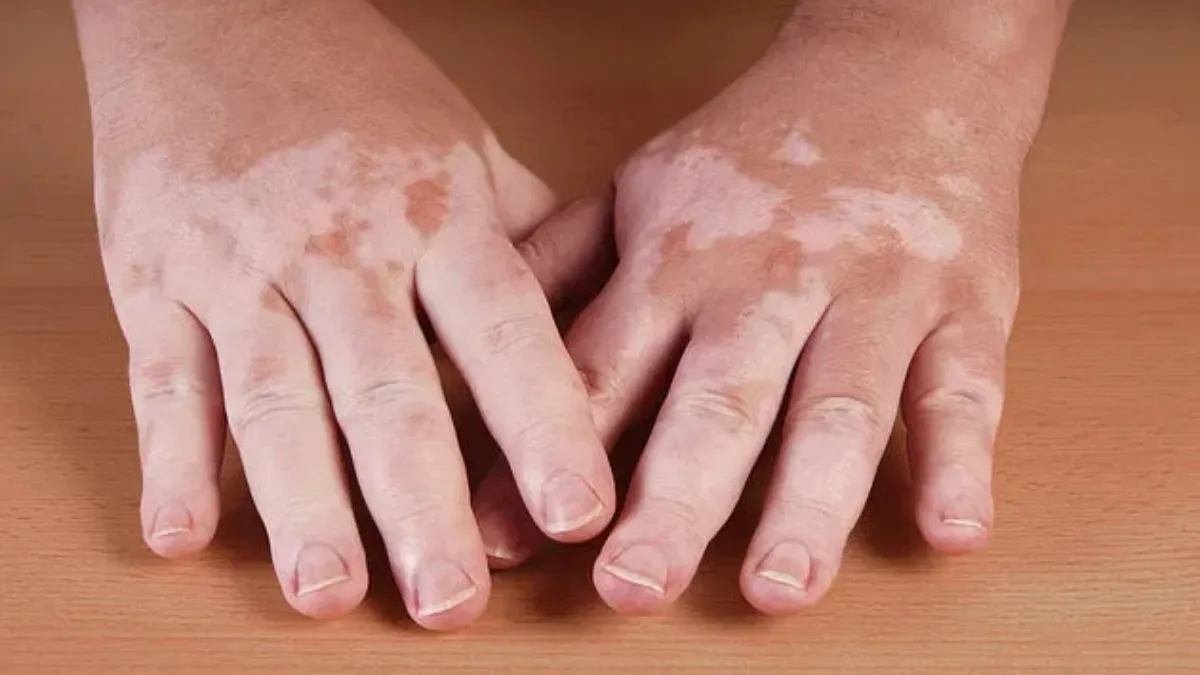
The colour white is so pure and serene. White objects and monuments look so magnificent. But the minute one sees white patches on the skin, panic ensues. Why is this? This is because white patches are presumed to equate with leprosy. Vitiligo, also called leukoderma, also manifests with white patches on the skin. What are these conditions? Leprosy is a bacterial infection which affects the skin and nerves. It is associated with loss of sensation and, if left untreated, deformities. Leprosy often shows up as pale or flesh-coloured areas with diminished sensation.
Vitiligo, the white thunder
According to Dr Manish Shah – Senior Consultant Paediatric Dermatology at Narayana Health SRCC Children's Hospital in Mumbai, vitiligo is a relatively common disorder presenting with ivory-white patches in contrast to the pale patches in leprosy. The basic problem here is that the melanocytes (the pigment-producing cells in the skin and hair) stop functioning partially or completely. This leads to white-appearing skin and hair in affected areas.
In many cases, vitiligo is autoimmune. This means that the body's immunity starts acting against its own melanocytes. Traditional Indian culture recognises vitiligo as a curse called 'safed kodh', literally meaning 'white leprosy'. So, vitiligo is often considered contagious and something that runs in families. Actually, the familial bit is partially true. Having a history of vitiligo in parents or near relatives does increase one's risk of developing it. However, the risk is not absolute and cannot be quantified.
Vitiligo does not look very good on pigmented skin like ours. In the very fair-skinned, it is hardly noticed. In some, it may show up for the first time after one has gone to a beach and the surrounding skin has tanned.
Living with vitiligo
Although vitiligo doesn’t cause physical pain or illness, it has a deep impact on the psyche. People with vitiligo can face teasing, curiosity, or even discrimination. To top it up, unsolicited advice is doled out generously by ‘well-wishers’. Children with vitiligo are vulnerable to bullying and low self-esteem.
The other ones
Pale spots can occur due to a host of reasons apart from leprosy and vitiligo. A couple of common ones deserve mention. Pale raindrop-like spots can be seen in a fungal infection called pityriasis versicolour. Humidity and excessive sweating predispose to versicolour. When children get pale blotchy areas on the face, it could be a low-grade childhood eczema called pityriasis alba. It is commonly believed to be due to vitamin or calcium deficiency, which is not true. Other myths surrounding pale spots are 'worms in the tummy' and 'eating incompatible foods like milk and sour foods or milk and fish together’. If pityriasis alba does not fade away by around 3 months, it may be worthwhile consulting a dermatologist.
Fighting vitiligo
Awareness is paramount. Understanding vitiligo can help foster empathy, encourage early dermatologic intervention and reduce stigma. Beware of so-called guaranteed cures for vitiligo. There is no sure-fire way to eradicate vitiligo. But it can be helped to a great extent, particularly when treatment is instituted in the early stages. Applications of corticosteroid creams and some newer immune response modifiers can be helpful. Exposure to narrow-band ultraviolet B light is effective not only in bringing back colour but also in controlling spread. It is safe even in pregnant women and children.
Excimer laser is a focused, high-intensity beam of narrowband ultraviolet B light. It is particularly appealing for smaller areas. Oral medications can help rapidly spreading, actively spreading vitiligo. Concealing the areas using waterproof camouflaging creams does a lot to boost self-esteem until treatment kicks in or for unresponsive areas. There are some good surgical options for stable vitiligo. But the biggest fight in vitiligo is against our mindset.
Vitiligo positivity
The Canadian supermodel Winnie Harlow has been a beacon of positivity for the cause of vitiligo. She models with aplomb, without bothering to conceal her vitiligo patches. On World Vitiligo Day, let’s reset our attitudes towards vitiligo. The next time you see someone with vitiligo, please avoid staring, asking obtrusive questions or offering unsolicited advice. Awareness begins with compassion, and that can be the first step toward acceptance.
Disclaimer: Tips and suggestions mentioned in the article are for general information purposes only and should not be construed as professional medical advice. Always consult your doctor or a dietician before starting any fitness programme or making any changes to your diet.
ALSO READ: Monsoon Stomach Woes: Expert shares signs and preventive measures to beat infections
