
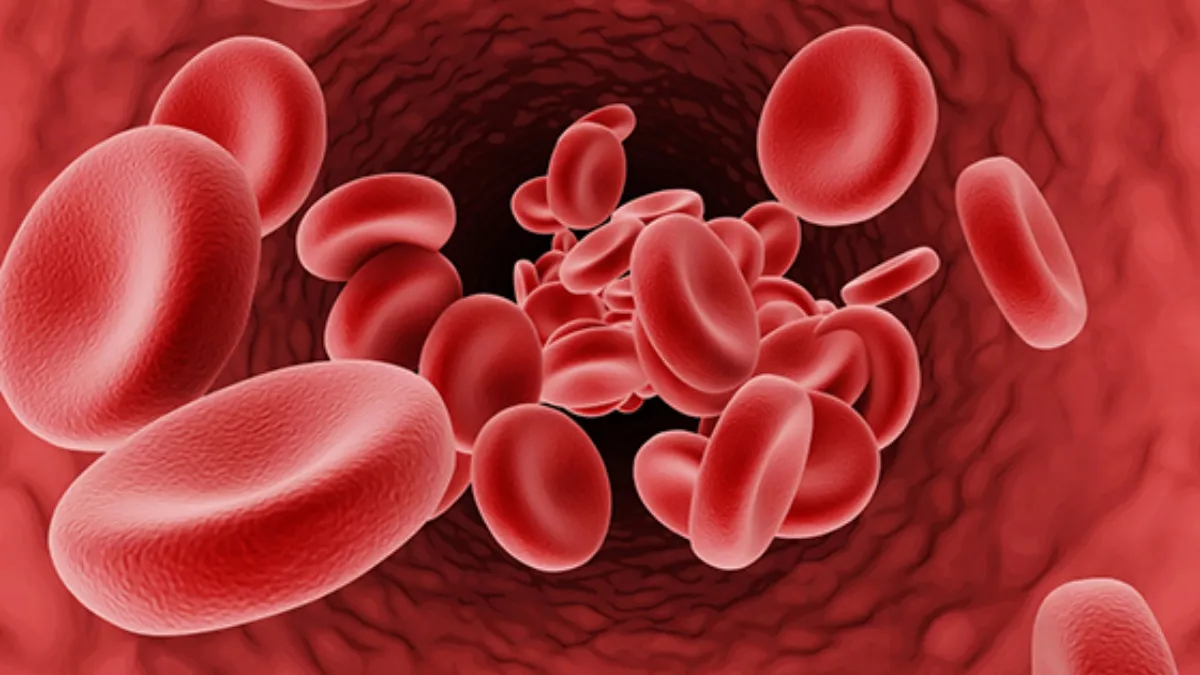
Thalassaemia, which affects millions globally, can be described as a group of inherited blood disorders characterized by reduced or absent haemoglobin production. One of the causes of thalassaemia is genetic mutations that affect haemoglobin production. It can be categorised as alpha and beta thalassaemia, based on the affected haemoglobin chain. Beta-thalassaemia major is a form that manifests in infancy, presents with anaemia, and thereby requires lifelong transfusions.
Dr Vishnu Hari, Senior Consultant & Head - Medical Oncology, Sarvodaya Hospital, Sector-8, Faridabad, says that it is important to detect thalassaemia at an early stage for efficient management, better quality of life, and eliminating the risk of several health-related issues. One of the concerning things is the fact that the ones with the thalassaemia trait often do not exhibit any symptoms; however, they might pass the gene to their offspring, resulting in thalassaemia major, leading to severe anaemia, delay in growth, and damage to the organs. The prevalence is higher in regions like the Mediterranean, Middle East, and South Asia, including India, but globalisation has increased cases worldwide.
Why early detection matters?
Detecting thalassaemia early, ideally before symptoms escalate, significantly alters the disease’s trajectory. Newborn screening programmes, which analyse blood samples for abnormal haemoglobin levels, are critical in identifying affected infants. It is important for the carriers to undergo genetic testing during family planning or parental care to help assess the possibility of passing on severe forms to children. If timely diagnosed, it can help reduce complications such as heart failure, liver damage, and deformities in the bones caused by untreated severe thalassaemia.
Why prenatal screening?
HPLC or Hb electrophoresis are tests that help identify the thalassaemia carrier state as early as during the first trimester itself. Therefore, it should be offered to all the pregnant ladies. If the results reveal that they have the thalassaemia trait, then it is important for the partner to get screened. In situations where both the parents have traits, foetal testing can be done either by amniocentesis or chorionic villi sampling, and if the foetus is diagnosed with thalassaemia major, then the parents can be given the option of discontinuing the pregnancy.
Advantages of early diagnosis
Once diagnosed, treatments tailored for people benefit them. In severe cases, blood transfusions on a regular basis along with iron chelation therapy for management of iron overload are standard. Early monitoring ensures these treatments begin before damage occurs that is irreversible. Through genetic counselling, informed reproductive decisions are empowered for carriers. Gene therapy and bone marrow transplant are curative options available. For early bone marrow transplants, success rates are higher in number.
Understanding the challenges and subsequent solutions
Even though it does benefit people, detecting it early poses some hurdles. Progress is obstructed due to limited access for screening within low-resource regions, a lack of awareness, and cultural stigmas regarding genetic disorders. Education promotion and testing subsidisation can address these issues. Also, they can address them by integrating thalassaemia screening into routine healthcare. Myths can be dispelled by outreach. This is in particular true also in high-prevalence areas, for outreach encourages testing.
Thalassaemia is manageable if detected soon. Proactive care is also able to manage thalassaemia. Awareness must be raised, then screening programmes must be expanded through collaboration by governments, healthcare providers, and communities. People understand family medical history; also, genetic counselling is a practical step. We prioritise early detection, and this action offers hope for those affected. Thalassaemia goes from being debilitating to being manageable with more early detection, thereby ensuring much healthier lives.
Disclaimer: (Tips and suggestions mentioned in the article are for general information only and should not be construed as professional medical advice. Always consult your doctor or a dietician before starting any fitness programme or making any changes to your diet.)
ALSO READ: World Thalassaemia Day 2025: Know symptoms, preventive measures and diagnosis of this blood disorder
