
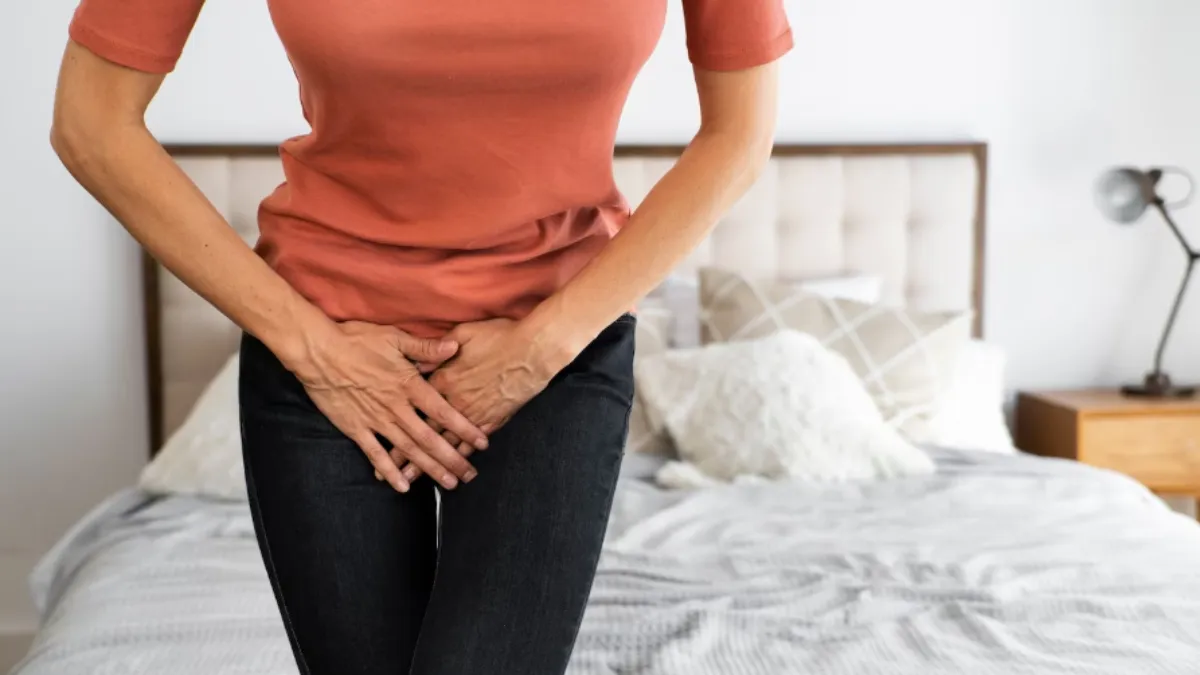
Urinary incontinence after pregnancy is a common occurrence in a large number of women. Early recognition, lifestyle changes, and an expert’s guidance can help women regain bladder control and improve their quality of life. Here, the expert helps to understand the causes, symptoms, complications, and treatment. Follow the vital tips mentioned in the article and stay healthy during pregnancy.
According to Dr Kaishreen Khan, Consultant- Obstetrician and Gynaecologist, Motherhood Hospitals, Kharadi, Pune, not only gestational hypertension or diabetes, but even problems such as urinary incontinence can steal the peace of mind during pregnancy. Urinary incontinence after pregnancy is seen when the muscles and tissues that support the bladder tend to become weak due to pregnancy and childbirth. The condition can lead to involuntary leakage during activities such as coughing, sneezing, laughing, or exercising and cause stress, anxiety, and embarrassment.
Pregnancy increases pressure on the bladder, and vaginal delivery can stretch or injure the pelvic floor muscles, contributing to incontinence. Moreover, some women also experience urinary incontinence after giving birth, a condition where they unintentionally leak urine. While this condition is not usually life-threatening, urinary incontinence can impact confidence, daily activities, and social life.
The causes:
Can be attributed to weak pelvic floor muscles during pregnancy and delivery, vaginal trauma or episiotomy during childbirth, hormonal changes affecting bladder control, and increased pressure on the bladder due to uterine enlargement.
The symptoms:
The symptoms are leakage of urine during coughing, sneezing, or physical activity (stress incontinence), sudden urge to urinate that may be difficult to control (urge incontinence), frequent urination, or waking at night to urinate.
The complications:
If left untreated, urinary incontinence can lead to skin irritation, urinary tract infections, and a decline in emotional and social well-being. Women may avoid exercise, social gatherings, or intimacy, affecting overall quality of life.
Follow these management tips:
Pelvic Floor Exercises (Kegels) can be advised to women. So, strengthening the muscles that support the bladder can improve control and help women avoid this problem. Bladder Training is important.
So, gradually increasing the time between urinations helps improve bladder capacity. Moreover, maintaining optimum weight, reducing caffeine intake, and staying hydrated can also be useful strategies for women during pregnancy. Some women will also require physiotherapy, medications, or minimally invasive procedures. The expert will decide on the line of treatment if this problem worsens during pregnancy.
Preventive measures involve regular pelvic floor exercises, avoiding heavy lifting, and timely postpartum check-ups, which help prevent incontinence. Urinary incontinence after pregnancy can be managed with these safe and effective measures. So, stay healthy during pregnancy by adhering to these tips. Women, prioritise your well-being during pregnancy and report any problems to the doctor without any delay.
Disclaimer: Tips and suggestions mentioned in the article are for general information purposes only and should not be construed as professional medical advice. Always consult your doctor or a dietician before starting any fitness programme or making any changes to your diet.
ALSO READ: Cervical cancer symptoms you shouldn’t ignore: Pain after intercourse explained
