
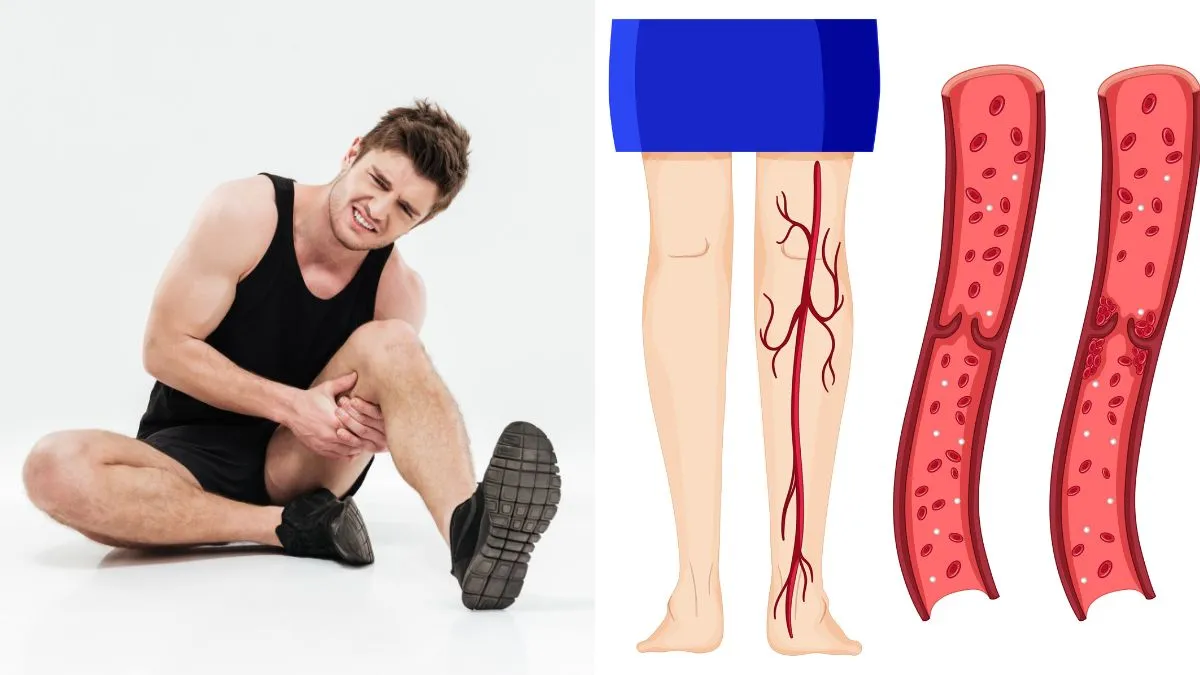
It starts quietly...a dull ache in your leg, a bit of swelling, maybe nothing at all. Then, out of nowhere, a blood clot forms, travels, and blocks the flow of life itself. That’s thrombosis, one of medicine’s silent threats, a condition responsible for millions of deaths every year but often overlooked until it turns dangerous.
Doctors call it “the hidden killer” for a reason. Thrombosis doesn’t always come with dramatic symptoms, but with awareness, lifestyle care, and timely action, it can be prevented.
What exactly is thrombosis?
Thrombosis is the formation of a blood clot (thrombus) inside a blood vessel that disrupts normal blood flow. It can happen in a vein (venous thrombosis) or an artery (arterial thrombosis).
When it forms in a deep vein, often in the legs, it’s called Deep Vein Thrombosis (DVT). If a piece of that clot breaks loose and travels to the lungs, it causes a Pulmonary Embolism (PE), a potentially life-threatening situation.
These clots can block oxygen supply to organs and, if untreated, can lead to severe complications or even sudden death.
Why does thrombosis happen?
Physicians indicate that thrombosis usually develops as a result of a combination of factors rather than one particular cause. The three major villains are:
- Immobility: Prolonged sitting (particularly during work or travel) decelerates blood flow, and clots can develop.
- Vessel damage: Damage, surgery, or inflammation may initiate clot formation.
- Blood composition: Some people have thicker or more “sticky” blood due to genetics, hormonal therapy, or illnesses like cancer.
- Other lifestyle and medical factors also raise the risk, such as obesity, smoking, dehydration, uncontrolled diabetes, and prolonged bed rest.
Warning signs you shouldn’t ignore
Because clots can form in different parts of the body, symptoms vary, but doctors advise keeping an eye out for these red flags:
In the legs or arms (Deep Vein Thrombosis)
- Swelling in one limb (usually the calf or thigh)
- Persistent pain or tenderness
- Warm, reddish, or discoloured skin
In the lungs (Pulmonary Embolism)
- Sudden shortness of breath
- Chest pain, especially when breathing deeply
- Dizziness, rapid heartbeat, or fainting spells
In the brain or heart (Arterial Thrombosis)
- Numbness or weakness on one side of the body
- Slurred speech or vision trouble (possible stroke)
- Chest pain, sweating, or nausea (possible heart attack)
If any of these occur, especially after surgery, travel, or long sitting, it’s an emergency. Seek medical help immediately.
How doctors detect and treat thrombosis
A diagnosis usually starts with an ultrasound to see if the veins are blocked. D-dimer blood tests can detect clot activity in the body. In serious cases, CT scans may be used to confirm a pulmonary embolism.
Treatment depends on the severity:
- Anticoagulants (blood thinners) are the mainstay, preventing clots from growing or returning.
- Clot-busting drugs (thrombolytics) are reserved for emergencies.
- Compression stockings help with circulation after recovery.
- Lifestyle changes, mobility, hydration, and weight management are vital to prevent recurrence.
Everyday habits that prevent thrombosis
You can’t always control genetics, but you can control your habits. Here’s what experts recommend:
- Move every hour if you have a desk job, stand, stretch, or walk.
- Stay hydrated, especially during travel.
- Avoid smoking and excessive alcohol.
- Eat heart-healthy foods rich in omega-3s, fibre, and antioxidants.
- Maintain a healthy weight to reduce stress on the veins.
- Exercise regularly, but avoid long periods of inactivity afterwards.
- Follow up regularly if you have diabetes, hypertension, or cholesterol problems.
- Wear compression socks on long flights if you’re at risk.
Thrombosis often hides in plain sight, silent, gradual, and deadly only when ignored. But with awareness, timely diagnosis, and preventive care, it’s entirely manageable. Your blood vessels are your body’s highways; keep them open, flowing, and free of blockages. Sometimes, saving your life begins with something as simple as standing up and moving around.
Also read: Why your 9-to-5 desk job could be putting you at risk of thrombosis
Disclaimer: Tips and suggestions mentioned in the article are for general information purposes only and should not be construed as professional medical advice. Always consult your doctor or a dietician before starting any fitness programme or making any changes to your diet.
