
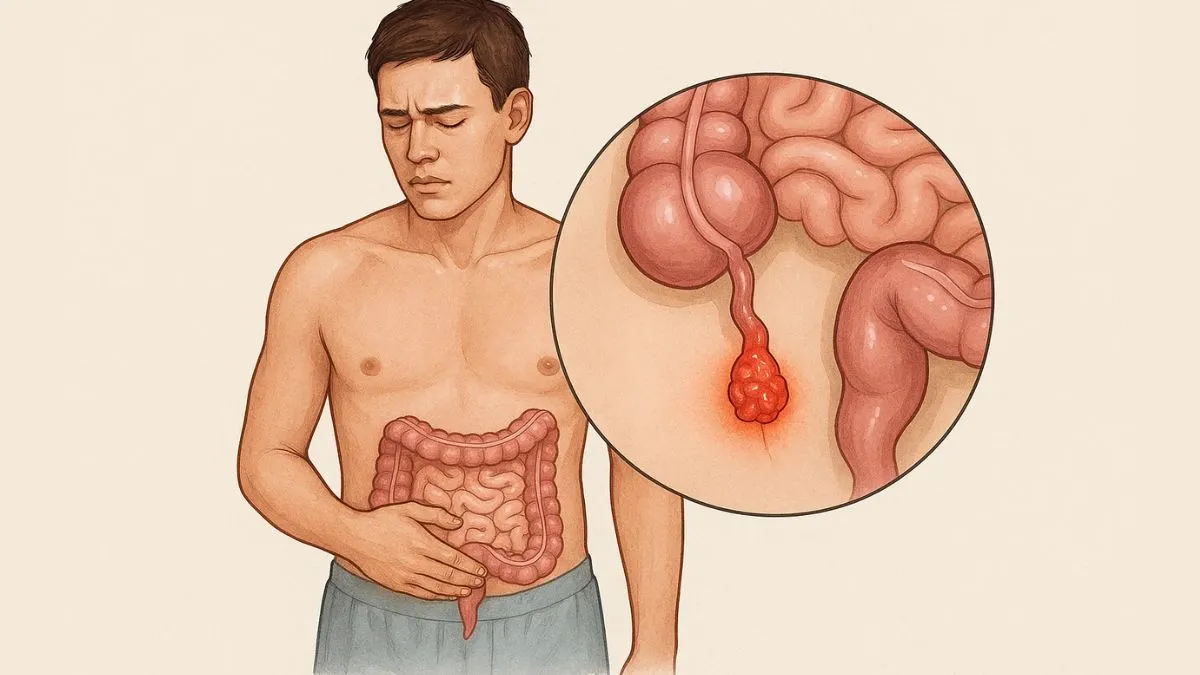
A recent study has found that cases of appendix cancer are on the rise. According to an analysis of the National Cancer Institute database, researchers found that rates of appendix cancer have tripled among Gen X and quadrupled among millennials, when compared with older generations. The report was published in the Annals of Internal Medicine.
According to a report in NBC News, Andreana Holowatyj, an assistant professor of haematology and oncology at the Vanderbilt University Medical Center and Vanderbilt Ingram Cancer Center and lead author of the study, "There is a disproportionate burden of appendix cancer among young individuals."
In an interview, Holowatyj said that her earlier research was "the first to show that 1 in every 3 appendix cancers is diagnosed among adults younger than age 50."
To see whether rates of the cancer had changed over time, Holowatyj turned to the Surveillance, Epidemiology and End Results program, which includes data from nationally representative cancer registries that cover about 45.9% of the U.S. population. There were 4,858 cases of appendix cancer from 1975 through 2019.
Holowatyj said that when the large proportion of patients diagnosed between ages 18 and 49 is combined with the new finding of a generational rise in Gen X and millennials, it’s "important that we find the causes underpinning these statistics in order to reverse this trend and reduce the disease burden."
The new study further confirms that there is a trend toward younger and younger patients from recent generations being hit with gastrointestinal cancers. In particular, rates of colorectal cancer in younger adults have been rising for several decades. The cause for the rise in such GI cancers needs more research.
Holowatyj said that about 95% of appendix cancers aren’t spotted until after a person has appendicitis and the appendix is removed and examined by pathologists. As a result, the cancers tend to be at a late stage with poorer long-term prognoses, she added.
Disclaimer: Tips and suggestions mentioned in the article are for general information purposes only and should not be construed as professional medical advice. Always consult your doctor or a dietician before starting any fitness programme or making any changes to your diet.
ALSO READ: What do the lines on the nails indicate? Know which deficiency it can cause in the body
