
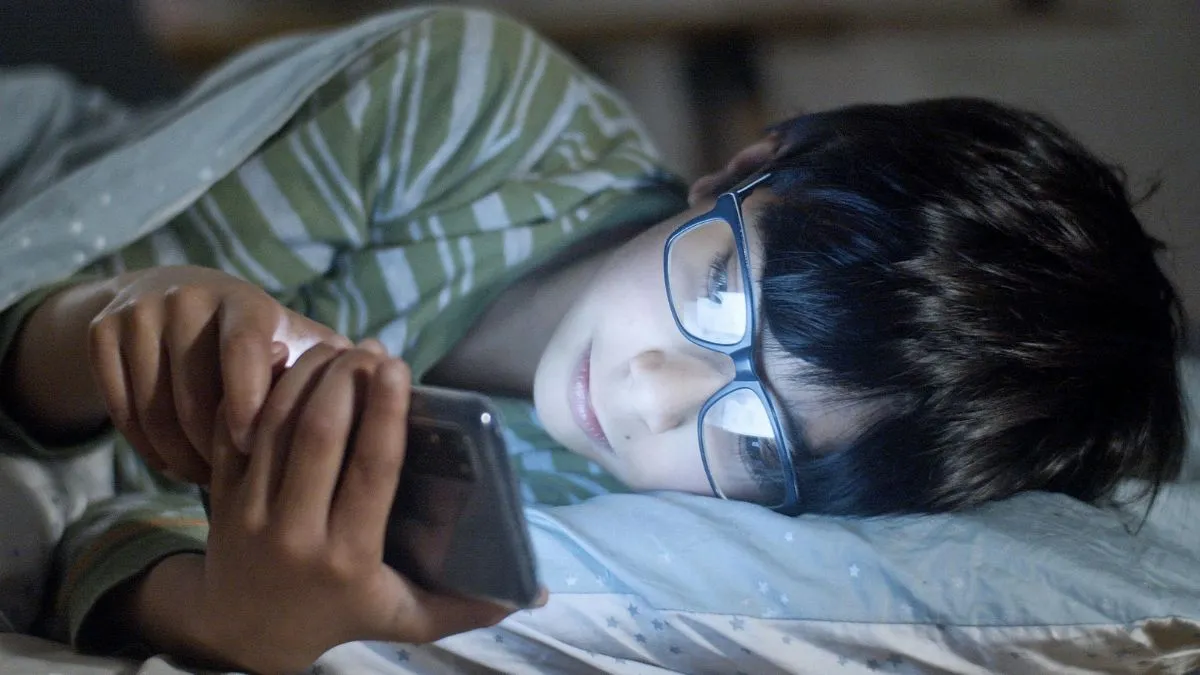
With the digital age, smartphones are ubiquitous, even among toddlers. Cartoons, gaming, and online classes are now part of a child's daily life. While parents fret about the psychological effects of excessive screen time, one risk is still underappreciated: the quiet damage that smartphones inflict on children's eyes.
Dr Priyanka Singh, Consultant and Ophthalmic Surgeon at Neytra Eye Centre, New Delhi, cautions that the damage goes unnoticed until it's too late. From myopia to squinting disorders, the symptoms of excessive screen time are becoming increasingly prevalent in children at much younger ages.
The eye ailments associated with phone addiction
Myopia on the rise
Studies indicate kids are getting short-sighted (myopia) earlier than ever. With less time outdoors and more time near stuff on screens, children have trouble focusing on distant objects—a condition that may worsen as they age.
Squint and vision imbalance
Too much screen time can result in vision imbalances, which sometimes result in strabismus (squint). This can make the eyes misaligned and would need correction if neglected.
Lazy eye risks
Screen watching at an early age may heighten the risk for amblyopia (lazy eye), a condition in which one eye grows weaker than the other. If not treated, it may lead to vision problems throughout one's life.
Irritation and allergies
Prolonged screen time can cause the eyes to become dry and irritated, resulting in allergic conjunctivitis, with symptoms of itching, redness, and watery eyes constantly.
What parents can do
1. Emphasise eye-healthy nutrition
Persuade kids to consume antioxidant-rich foods such as fruits, leafy green vegetables, and nuts. They assist in maintaining sharper eyesight.
2. Follow screen time rules
- Under 2 years: No screen time at all
- 2–5 years: Maximum 1 hour daily
- 5 years and above: Limit to 1.5–2 hours daily
TV is preferable over phones, as distance reduces strain. Outdoor play should always balance screen time, boosting both eye and overall development.
3. Watch for warning signs
Keep an eye out for habits like excessive eye rubbing, squinting, or sitting too close to screens. These may signal underlying eye problems.
4. Schedule regular check-ups
Routine eye exams at age 3–4, and then yearly, are essential for early detection of vision issues.
5. Replace screens with family time
Instead of another cartoon or game, spend time with your child in conversation, play, or shared hobbies. Emotional connection also helps reduce dependency on gadgets.
Phone addiction in children is no longer just about lost sleep or shorter attention spans. It’s affecting something as vital as their eyesight—and the damage may be irreversible if ignored. As Dr Priyanka Singh stresses, early action, regular check-ups, and mindful parenting can make all the difference.
Your child’s eyes are irreplaceable. Protect them today so they can see a brighter tomorrow.
Disclaimer: Tips and suggestions mentioned in the article are for general information purposes only and should not be construed as professional medical advice. Always consult your doctor or a dietician before starting any fitness programme or making any changes to your diet
