
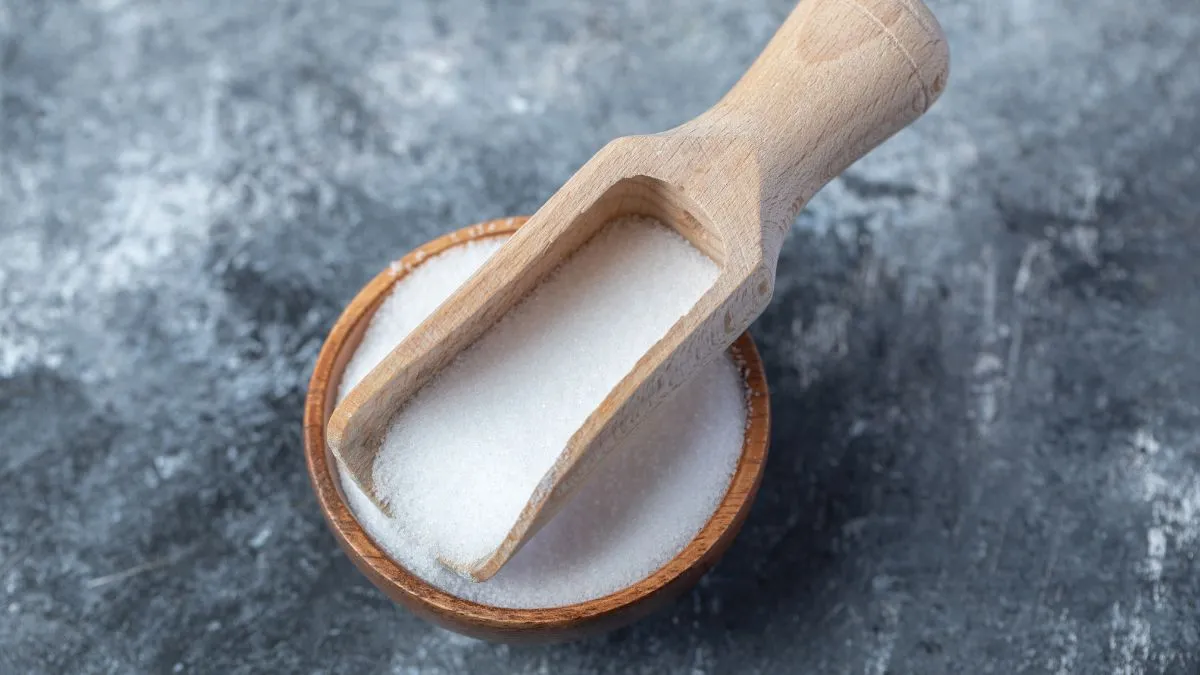
Salt has had a spectacular fall from grace. One day, it was seasoning; the next, it was public enemy number one. But according to cardiologist Dr Dmitry Yaranov, the truth is far more nuanced and far less dramatic.
In a recent Instagram post, Dr Yaranov cut through the noise with a caption that quickly resonated with patients and doctors alike. “Salt didn’t ruin humanity,” he wrote. “Oversimplified health advice did.”
Sodium, as Dr Yaranov pointed out, is essential for life. It supports nerve signalling, muscle contraction, fluid balance, and blood pressure regulation. In healthy individuals, salt isn’t automatically harmful. The problem begins when blanket nutrition rules ignore individual physiology.
When salt becomes a health risk
In his Instagram caption, Dr Yaranov stressed that salt doesn’t act the same way in everybody. “In certain bodies,” he wrote, “salt isn’t seasoning. It’s fuel for disease.”
He outlined the groups that genuinely need to watch their sodium intake: Heart failure patients “Sodium leads to fluid retention, congestion, repeated hospitalisations, and worse survival,” he explained, making it one of the most critical dietary factors in heart failure management.
People with resistant hypertension
If blood pressure remains uncontrolled despite three or four medications, salt is no longer neutral. In Dr Yaranov’s words, it becomes “sabotage.”
Chronic kidney disease patients
Excess sodium accelerates kidney decline and makes fluid balance difficult, worsening outcomes over time.
People with cirrhosis and portal hypertension
Here, salt directly contributes to fluid accumulation. As his caption bluntly noted, “Ascites doesn’t care about your taste preferences.”
Older adults with stiffened arteries
With age, blood vessels lose their ability to buffer sodium efficiently, making blood pressure more sensitive to salt intake.
What salt is not, according to the post
Dr Yaranov was equally clear about what salt shouldn’t be blamed for. It’s not the reason a healthy 28-year-old fainted during a spin class. It’s not the cause of every high blood pressure reading. And it’s certainly not a one-size-fits-all dietary villain.
“What salt is,” he wrote, “is a powerful modifier of outcomes in the wrong physiology.”
A smarter way to think about sodium
The larger message of Dr Yaranov’s Instagram caption was simple but timely. Nutrition and medicine don’t work on moral absolutes. “Medicine isn’t about demonising ingredients,” he wrote. “It’s about knowing who can tolerate what, and who can’t.” For people who are breathless, swollen, struggling with uncontrolled blood pressure, or being rehospitalised every few months, this isn’t a theoretical discussion. It’s personal, and often central to survival.
For everyone else, the takeaway is refreshingly sane: stop fearing salt by default, understand your health context, and let science, not food guilt, lead the conversation.
Disclaimer: Tips and suggestions mentioned in the article are for general information purposes only and should not be construed as professional medical advice. Always consult your doctor or a dietician before starting any fitness programme or making any changes to your diet.
