
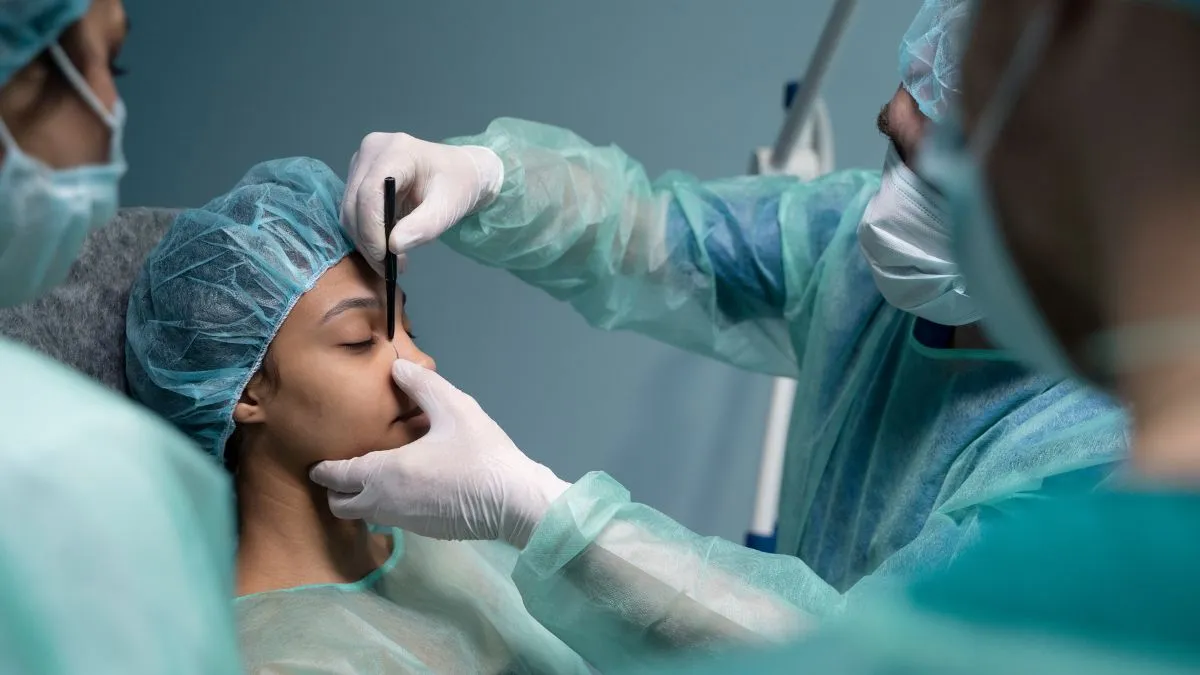
In a quiet consultation room in New Delhi, cosmetic plastic surgeon Dr Rajat Gupta reflects on a question he says he hears almost every week. “Patients still ask me, ‘Doctor, which plastic will you use?’” he says with a faint smile. “I always explain that plastic surgery is not about plastic at all, it is about restoring form, function, and confidence.”
As India positions itself as a global hub for medical tourism, doctors like Gupta are at the centre of a rapidly evolving ecosystem, one that blends advanced surgical expertise, affordability, and a growing cultural shift toward acceptance of cosmetic procedures.
Understanding plastic surgery with Dr Rajat Gupta beyond myths and misconceptions
Plastic surgery, Gupta explains, remains widely misunderstood in India. “Plastic surgery is a very wide field,” he says. “It includes reconstructive procedures after burns, accidents, or cancer, and also aesthetic procedures like hair transplant, rhinoplasty, liposuction, and mommy makeovers. Essentially, from head to toe, we can address concerns that affect both function and appearance.”
He is quick to emphasise that cosmetic surgery is not merely about vanity. “If someone is unhappy with a part of their body, it affects their mental health, their social life, and their confidence,” Gupta says. “Cosmetic surgery can help restore self-respect and improve quality of life.”
One case still stands out to him. An 18-year-old student suffering from gynecomastia, enlarged male breast tissue, had refused to attend college due to social embarrassment. “He told me he didn’t want to step out because his classmates mocked him,” Gupta recalls. “After surgery, he not only returned to college but went on to top his university and later graduated from IIM Ahmedabad. Today, he holds a senior corporate position. That is when you realise this is not just surgery, it is life-changing.”
Cosmetic surgery is no longer limited to celebrities
Contrary to popular perception, Gupta says cosmetic surgery has become increasingly common among ordinary Indians. “People think only celebrities undergo these procedures, but that is not true,” he says. “We perform these surgeries every day for teachers, students, homemakers, and working professionals. Hair transplant and gynecomastia surgeries, for instance, are extremely common.”
He notes that social awareness has played a major role in changing attitudes. “Earlier, there was hesitation and stigma. Now people are more open about improving their appearance and confidence.”
Even public disclosures by actors have helped normalise the conversation. “When public figures speak openly about procedures, it reduces stigma,” he says. “‘It helps people understand that there is nothing wrong with wanting to feel confident in your own skin.’”
Safety, trust, and the risks of unregulated procedures
But Gupta also warns of the dangers of unsafe procedures because of the increased demand. There are many media reports of complications arising from procedures such as liposuction or hair transplant, resulting in death.
“Every surgery carries risks, whether cosmetic or medical,” Gupta explains. “But complications can be minimised when procedures are performed by qualified surgeons in accredited hospitals with proper ICU backup and safety protocols.”
He stresses that trust remains the foundation of cosmetic surgery. “This field is built on trust,” he says. “We do our best to ensure patient safety and satisfaction. Even after surgery, follow-up care is critical.”
India’s rise as a global medical tourism destination
India’s cosmetic surgery boom is also closely linked to its growing medical tourism sector. The government’s recent policy focus, including identifying medical tourism hubs in cities like Delhi, Mumbai, and Chennai, has strengthened India’s global healthcare positioning.
Gupta says affordability plays a major role. “India offers world-class cosmetic surgery at a fraction of global costs,” he explains. “A procedure that may cost ten or fifteen times more in Western countries can be done here safely and effectively.”
International patients are increasingly drawn to India’s combination of expertise and cost efficiency. Many hospitals now provide end-to-end support, including consultation, surgery, and recovery services tailored for overseas visitors.
“We are very fortunate to practice in India,” Gupta says. “We have excellent medical infrastructure and highly skilled surgeons. "Patients from all over the world are realising this.” The human side of the industry's growth
For Gupta, however, it is not just numbers and government policies that make up the story of the industry's growth. He points to individual cases where people's lives are changed. He speaks of patients who gained confidence after correcting facial deformities, mothers who felt good about their bodies again after childbirth, and young working professionals who got past their insecurities.
“Self-confidence and happiness are basic human rights,” he says. “If we can help someone achieve that safely, it is incredibly rewarding.” He pauses before adding a final thought. “Every patient who walks into our clinic places enormous trust in us."
