
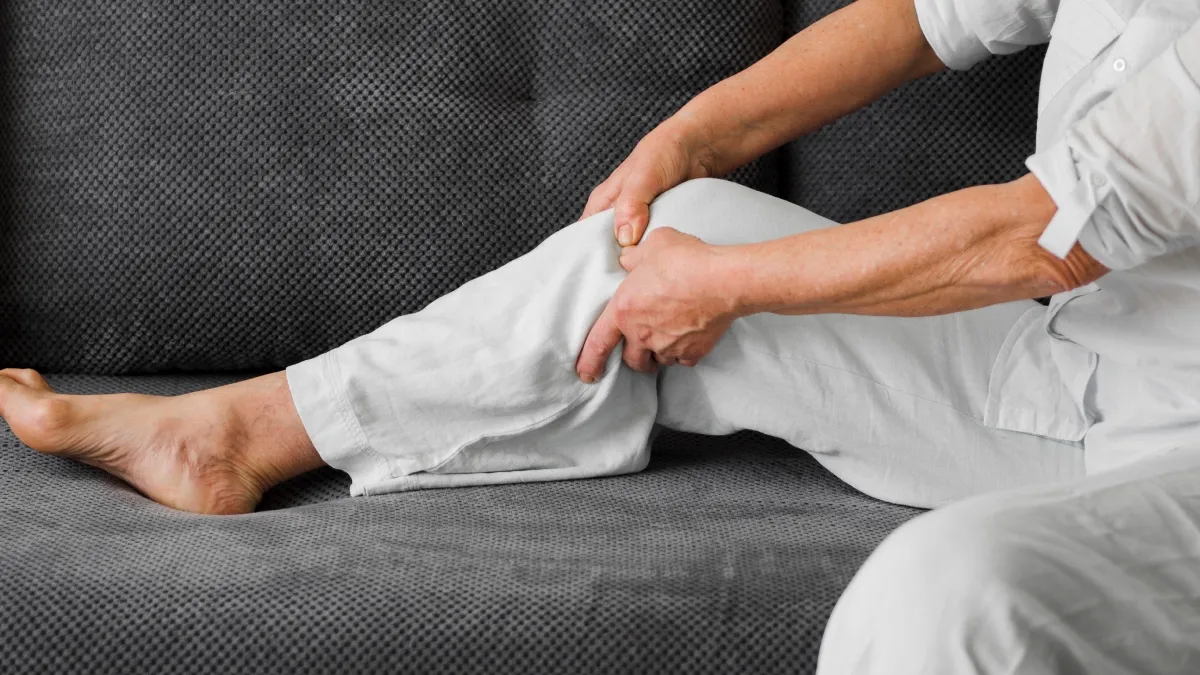
A stiff knee in the morning or an aching hand after a long day might feel like the same problem, but they both can pose different problems. Joint pain can affect anyone, but not all of them are harmless and can lead to serious problems. The swelling and tenderness of one or more joints is a condition called arthritis.
According to Dr Rajesh Kumar Verma, Consultant at Orthopedics Manipal Hospital, Ghaziabad, two of the most widespread forms of arthritis are Osteoarthritis (OA) and Rheumatoid Arthritis (RA), which may sound similar but harm body joints in very different ways.
Understanding how these conditions attack the joints in different ways is important to get the right treatment and protect mobility for the upcoming years.
Osteoarthritis vs Rheumatoid Arthritis: Understanding the difference
Osteoarthritis is often called "wear-and-tear" arthritis that develops slowly as the protective cartilage between bones breaks down over the years of use. It generally affects the areas including knees, hips, spine, and hands, which cause stiff and painful movements, where age, obesity, and past injuries increase risk.
On the other hand, Rheumatoid arthritis is an autoimmune disorder where the body’s immune system mistakenly attacks the joint lining, which leads to painful swelling, heat, and even deformity if not treated. It often starts in smaller joints like the fingers and wrists and can affect people even in their early adulthood, unlike osteoarthritis.
Early warning signs to watch out for
Understanding this difference can help people recognise symptoms earlier to seek the right treatment.
The symptoms of Osteoarthritis include:
- Stiffness of the joints after waking up or taking a long rest.
- Cracking or grinding sounds and sensations in joints
- Pain that increases even after any simple activity and only reduces with rest.
The signs you have Rheumatoid Arthritis could be:
- Stiffness for more than 30 minutes in the morning.
- Any kind of swelling, redness, or tenderness in joints
- Feeling of fatigue, having low-grade fever, or weight loss without any reason, along with joint pain.
How Osteoarthritis and Rheumatoid Arthritis are treated
Osteoarthritis has treatments focused on lifestyle changes such as weight management, physiotherapy, gentle exercise, and pain relievers. In severe cases, joint injections or even joint replacement surgery may be needed to cure the condition. Whereas, in the case of rheumatoid arthritis, treatment concentrates on reducing joint damage and improving quality of life through a mixture of medications, physical therapy, and lifestyle changes.
However, both Rheumatoid Arthritis and Osteoarthritis cause joint pain, but the way they damage the body is completely different. Although early diagnosis, timely treatment, and lifestyle care can help you live life to the fullest, as arthritis doesn’t have to pause your lifestyle. With the right care, you can still walk, run, and live on your own terms.
Also Read: Prebiotics vs probiotics: What your gut really needs, according to an expert
Disclaimer: Tips and suggestions mentioned in the article are for general information purposes only and should not be construed as professional medical advice. Always consult your doctor or a dietician before starting any fitness programme or making any changes to your diet.
