
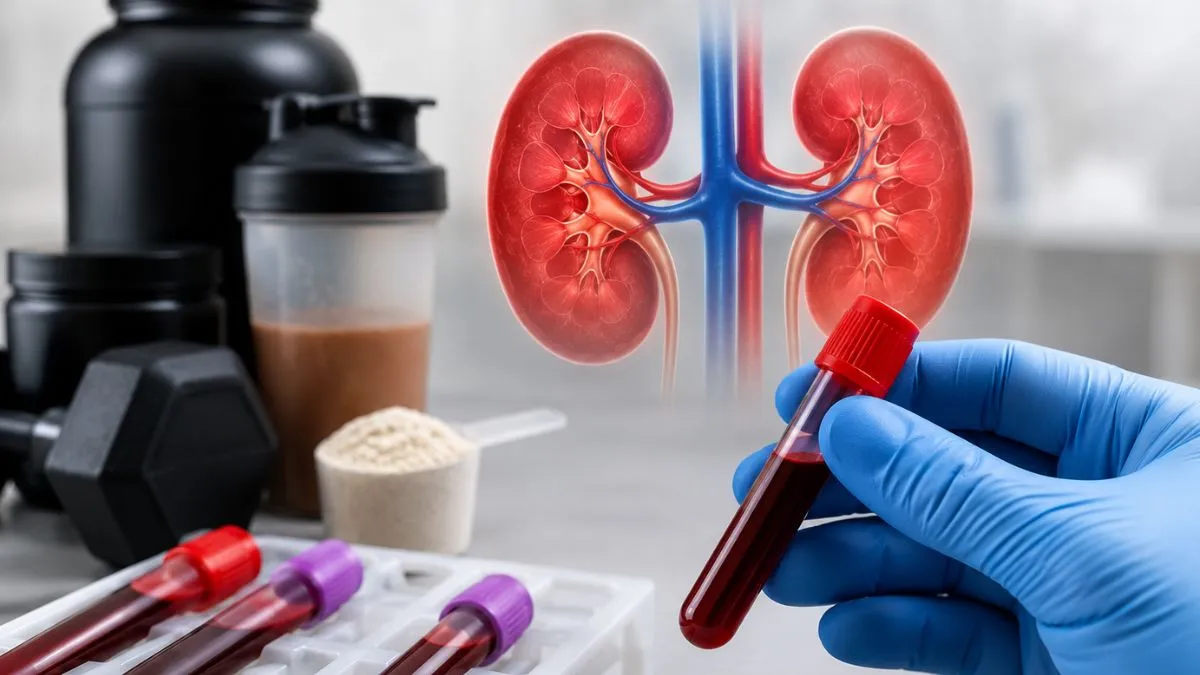
Protein shakes, creatine, pre-workout supplements, and muscle-building supplements are among the most widely used supplements by people working out in gyms. But how are they impacting your health? As per Dr Bhanu Mishra, Consultant Nephrologist at Fortis Hospital Shalimar Bagh, one should think about checking their kidney function at least once every six months if they take gym supplements frequently.
He further clarified that although most supplements are not necessarily dangerous if taken wisely, they can put undue pressure on your kidneys due to their high consumption, dehydration, and irregularity.
Why is kidney monitoring is important for regular supplement users
Dr Mishra mentions that a regular blood test is essential for evaluating the efficiency of kidney function in individuals taking a high-protein diet and supplements.
The blood tests advised by most physicians include the following:
- Serum creatinine
- Blood Urea Nitrogen (BUN)
- Estimated Glomerular Filtration Rate (eGFR)
- Electrolyte Profile
- Uric Acid Levels
These indicators help the physician evaluate the effectiveness of the kidney in eliminating waste products, regulating fluid regulation, and reacting to an increase in protein intake and supplements.
Are gym supplements harmful to the kidneys?
The doctor clarifies that most supplements are not inherently dangerous when taken in moderation and under proper guidance. However, certain habits may increase kidney-related risks.
These include:
- Excessive protein consumption
- Poor hydration
- Use of unreliable or counterfeit supplements
- Overuse of stimulants
- Anabolic steroid use
Dr Mishra says dehydration combined with heavy supplementation can particularly affect kidney function because the kidneys already work harder to process excess protein and metabolic waste products.
Why hydration matters more than many realise
One of the simplest but most ignored habits among fitness enthusiasts is proper hydration. According to the nephrologist, drinking enough water becomes essential for people consuming protein-heavy diets and supplements because hydration supports the kidneys’ filtration process.
The doctor also advises against mixing multiple stimulant-heavy pre-workout formulas, which may increase strain on the body unnecessarily. Instead, he recommends sticking to:
- Balanced nutrition
- Moderate supplementation
- Trusted supplement brands
- Consistent hydration
- Urine tests may also reveal early warning signs
Apart from blood investigations, Dr Mishra says routine urine tests and urine protein tests can provide additional information about kidney health. These tests may help identify early signs of kidney stress or damage before symptoms become obvious.
The doctor adds that some individuals need to be even more cautious while using supplements, especially:
- People with diabetes
- Individuals with hypertension
- Those with a family history of kidney disease
For such groups, regular monitoring becomes particularly important.
The fitness industry often pushes extreme routines, rapid muscle gain and aggressive supplementation strategies online. However, health professionals insist that health benefits must always take precedence.
Also read: 5 signs your body may not be getting enough protein, dietitian explains
