
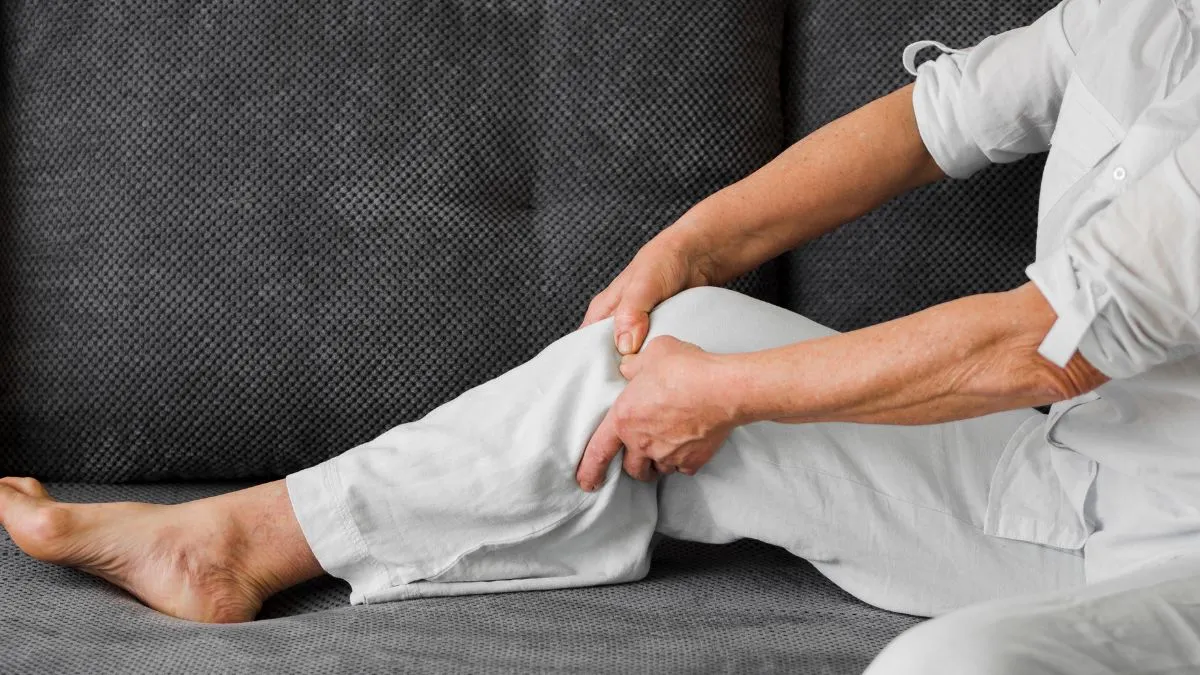
Your legs do far more than carry you through long workdays and winter walks. According to doctors, they can quietly reveal what’s going on deep inside your body, sometimes long before a serious diagnosis is made.
From swelling and cramps to numbness and skin changes, these everyday signs are often brushed off as fatigue or ageing. But vascular experts warn they may be early red flags of conditions such as heart failure, peripheral artery disease (PAD), blood clots, or diabetes-related nerve damage.
As Dr A. Arun Kumar, Consultant, Vascular and Endovascular Surgery at Aster RV Hospital, Bengaluru, puts it, “People often ignore changes in their legs, but these peripheral signs can appear long before a major health event. Listening to your legs can save lives.”
1. Persistent leg swelling is not just a ‘long day problem’
Swelling in the legs, medically known as oedema, happens when fluid builds up in body tissues. While occasional puffiness after standing too long is common, ongoing or worsening swelling is not. “When the heart pumps poorly, fluid accumulates in the lower limbs due to gravity. This can be an early sign of heart failure,” explains Dr Kumar. He adds that leg swelling can also point to kidney disease, liver cirrhosis, or even a blood clot.
If swelling is painful, increasing, or accompanied by breathlessness, it should never be ignored.
2. Cold feet may signal poor circulation
Cold feet aren’t always about winter weather. They can indicate poor blood flow, especially in people over 40. Peripheral artery disease (PAD) occurs when plaque narrows the arteries supplying blood to the legs. “PAD doesn’t just affect the legs, it significantly increases the risk of heart attack and stroke,” says Dr Kumar.
Smokers, people with anaemia, thyroid disorders, or diabetes are particularly vulnerable. Left untreated, PAD can even lead to amputation, making early detection critical.
3. Night-time leg cramps could be a vascular warning
Leg or foot cramps at night can be more than an annoyance in regard to sleep. Nocturnal attacks of leg or foot cramps can be associated with vascular diseases, renal illness, electrolyte imbalance, or medication. “When leg cramps regularly disturb sleep or are associated with muscle weakness, further evaluation of blood vessels and nerves is essential,” Dr Kumar advises.
4. Skin discolouration or wounds that won’t heal deserve attention
Reddish-brown or dark patches on the lower legs may be a sign of chronic venous insufficiency, where faulty veins allow blood to pool under the skin. In people with diabetes, slow-healing cuts or sores are especially concerning. “Any wound that doesn’t heal within seven to ten days needs medical evaluation, particularly in older adults,” says Dr Kumar.
Unchecked, such wounds can lead to infections and long-term complications.
5. Numbness or tingling could indicate nerve damage
A pins-and-needles sensation in the legs is a common early symptom of diabetic neuropathy, nerve damage caused by prolonged high blood sugar. “Neuropathy doesn’t just cause discomfort. It increases the risk of unnoticed injuries and ulcers, which are a leading cause of amputations,” Dr Kumar warns. Importantly, it also signals a higher risk of cardiovascular disease.
When redness or sudden pain becomes an emergency
Sudden onset of redness, warmth, and pain in a leg could be a sign of deep vein thrombosis (DVT). This is a blood clot that needs urgent care. The clot can be dangerous in the lungs. The risk increases after long periods of immobility, surgery, or long-distance travel.
Your legs are often the body’s early warning system. Paying attention to subtle changes and acting on them can help detect serious conditions before they escalate. As Dr Kumar sums it up: “Early recognition and timely medical care can prevent complications and, in many cases, save lives.”
Disclaimer: Tips and suggestions mentioned in the article are for general information purposes only and should not be construed as professional medical advice. Always consult your doctor or a dietician before starting any fitness programme or making any changes to your die
Also read: Cold feet even with socks on? 8 possible reasons you shouldn’t ignore
