
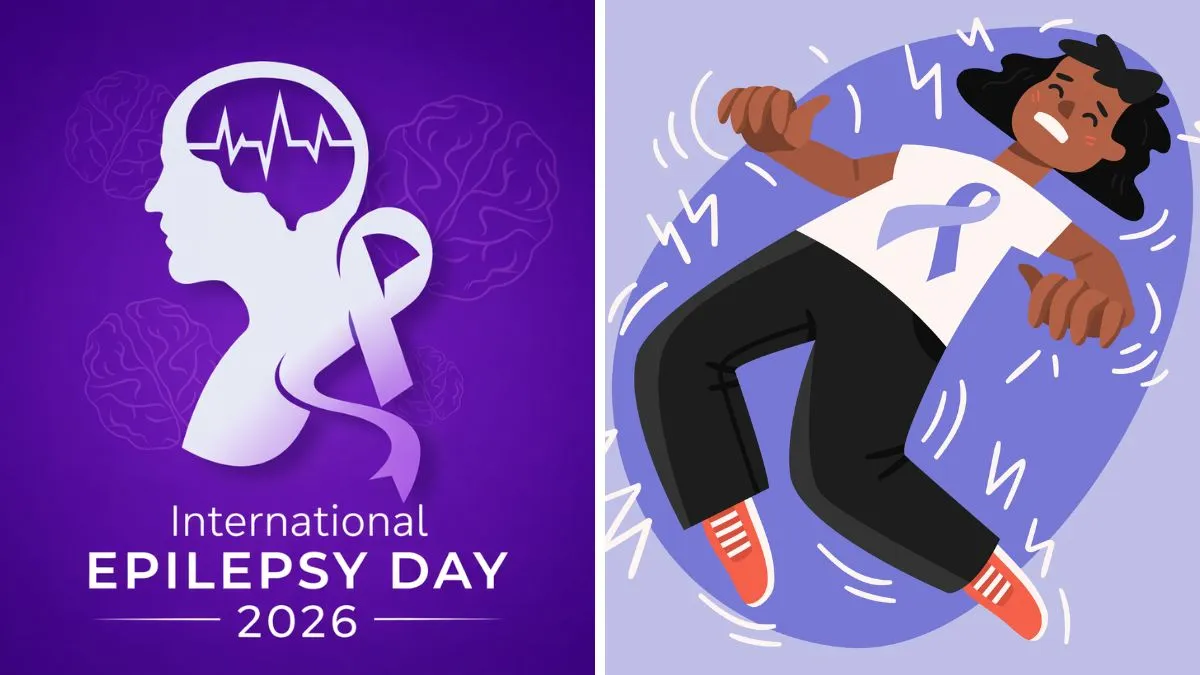
International Epilepsy Day, on February 9, 2026, reminds the world that epilepsy is still among the most misunderstood neurological conditions globally. Despite medical advances, myths, fear, and stigma continue to shroud a condition that is common yet treatable.
According to Dr Naeem Sadiq, Medical Director at Plexus Neuro Centre, epilepsy is neither a mental disease, curse, nor something to hide. It's a neurological disorder due to abnormal electrical activity in the brain and affects people of almost all age groups.
Understanding epilepsy beyond the myths
Urban citizens routinely receive proper and on-time diagnosis and treatment of illnesses, but the rural population might still tend to rely on superstitions, rituals, and religious practices rather than medical treatment.
“Epilepsy is neither infectious nor rare,” explains Dr Sadiq. “It does not limit intelligence or potential, and with proper treatment, most patients lead completely normal lives.”
Common and lesser-known triggers
Epilepsy can develop for many reasons. Some cases are genetic, while others are linked to brain infections, tumours, strokes, head injuries, low blood sugar, fever, lack of sleep or extreme stress. It can begin in infancy or appear later in life.
In India, access to care plays a crucial role. Urban citizens routinely receive proper and on-time diagnosis and treatment of illnesses, but the rural population might still tend to rely on superstitions, rituals, and religious practices rather than medical treatment.
Busting dangerous misconceptions
Several myths associated with epilepsy still have negative effects. Additionally, one of the commonly believed myths is that epilepsy is caused by vaccines or drugs. This is false. Another myth surrounding epilepsy is that the disorder causes people to have excessive exposure to screens. Flashing lights simply act as a trigger for some people with the disorder, but they do not cause the disorder.
Superstitions during seizures are particularly dangerous. Placing metal objects in the mouth, restraining movement or forcing food or water can cause serious injury or choking.
“The safest response during a seizure is to stay calm,” says Dr Sadiq. “Turn the person onto their side, loosen tight clothing around the neck, and allow the seizure to pass. Most seizures stop on their own within one to two minutes.”
When to seek medical help
If seizures recur within a short period, immediate medical evaluation is essential. It is estimated that between 70 and 80 per cent of those experiencing a seizure do not go on to repeat the experience, but diagnosis will help manage and control the condition through treatment.
If appropriate medication is given, antipyretics for fever seizures, and maintenance therapy is provided for two to three years if necessary, success rates can go as high as 90 per cent.
Living well with epilepsy
The five pillars for effective seizure management:
- Accurate diagnosis and regular medication
- Adequate sleep and avoiding the trigger
- Limited screen time
- Regular neurological follow-up
With proper care, individuals with epilepsy can lead a normal life, including studying, working, marrying, and bearing children. Epilepsy thrives in the shadow of ignorance; it thrives because of ignorance, replacing medical facts with myths.
Epilepsy thrives in the shadow of ignorance, where myths replace medical facts. But awareness, early intervention and correct treatment change outcomes dramatically. On International Epilepsy Day 2026, the message is clear: epilepsy is treatable, manageable and nothing to be ashamed of. Seek neurologists, not myths.
Disclaimer: Tips and suggestions mentioned in the article are for general information purposes only and should not be construed as professional medical advice. Always consult your doctor or a dietician before starting any fitness programme or making any changes to your diet.
Also read: Winter isn’t just flu season: Neurologist with 16 years’ experience warns of rising stroke risk
