
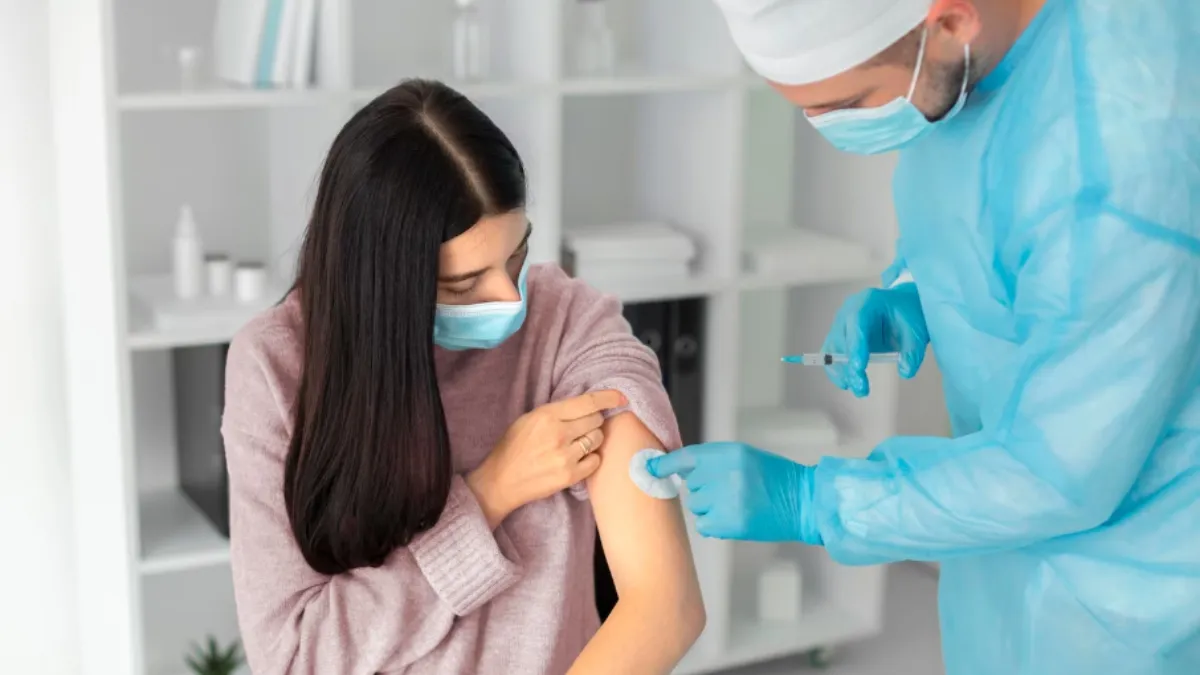
Taking the HPV vaccine is essential for both girls and boys. Simple aftercare steps following the HPV vaccine help ensure safety, comfort, and long-lasting protection. Parents are advised to get the child vaccinated for HPV as advised by the doctor.
According to Dr Pratima Thamke, Consultant Obstetrician and Gynaecologist, Motherhood Hospital, Kharghar, Mumbai, the Human Papillomavirus (HPV) vaccine is important when it comes to preventing cancers and infections caused by HPV. It is recommended for children, adolescents, and young adults, and in some cases for older age groups, too. While the vaccine is safe and effective, proper aftercare is important to reduce discomfort and ensure a smooth recovery after vaccination.
Understanding what to expect and how to care for the body after the HPV vaccine can help people of all ages feel confident and comfortable. If a dose is missed, the series does not need to be restarted—the next dose can be taken as advised by the doctor.
Aftercare of the HPV Vaccine
- After receiving the HPV vaccine, mild side effects are common and usually settle within 2-3 days.
- Children and even adults should remain at the clinic for 15-30 minutes after the shot to monitor for rare allergic reactions or fainting.
- Teenagers might feel lightheaded or faint after vaccination, and sitting and lying down immediately after the shot helps prevent falls or injuries.
- Massage at the injection site should be avoided for 24 hours, even if soreness is present.
- Contact the doctor if there is a high fever persisting beyond 48 hours, severe swelling, redness or pain at the injection site, difficulty breathing pr rash.
- Pain, redness, or swelling at the injection site is the most frequently reported by many children. Applying a clean, cool compress can help reduce soreness and manage pain. Moving the arm gently instead of keeping it still can also ease stiffness.
- Some people may experience mild fever, headache, tiredness, dizziness, or body aches, which is a common occurrence.
- Drinking plenty of water, at least 2-3 litres, and other fluids like soups, and taking adequate rest helps the body recover and feel better.
- Medication can be used for fever or pain if advised by a doctor. Avoid self-medication, as that can be risky.
- Strenuous exercise should be avoided, especially in children and teenagers. Don’t overexert after the vaccination. Parents should ensure children eat a light meal before vaccination and stay well hydrated. Don’t make the child eat heavy meals at all.
- Even for adults, aftercare remains similar to that of children. Normal daily activities can be carried out, but heavy workouts, smoking, and alcohol consumption should be avoided after vaccination. Even pregnant women should inform their doctor before vaccination and follow the instructions.
- It is important to make sure that you complete the full vaccine schedule for effective results.
- Proper rest, hydration, and monitoring for mild side effects help the body respond well to the vaccine. Adhere to these tips. With the right aftercare, the HPV vaccine remains a safe and critical measure for ensuring a healthy future.
Clear any doubts regarding HPV vaccination with the expert to be able to make informed choices. Schedule an appointment for the HPV vaccine right away!
Disclaimer: Tips and suggestions mentioned in the article are for general information purposes only and should not be construed as professional medical advice. Always consult your doctor or a dietician before starting any fitness programme or making any changes to your diet.
ALSO READ: Cervical cancer kills 75,000 Indian women every year: Here’s how to protect yourself
