
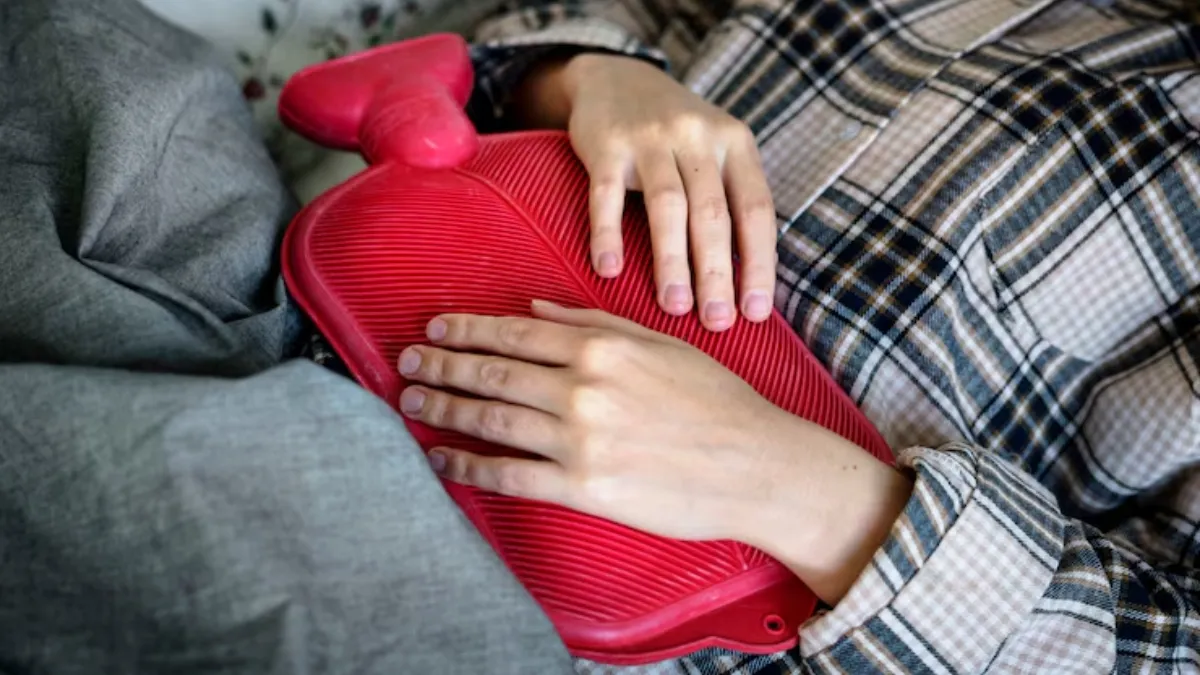
Were you aware? Menstruation and the monsoon season are related. Numerous studies have shown that abrupt temperature changes, elevated humidity, and less sunlight during the monsoon season can cause stress in the body, which may have an impact on hormone synthesis. During the monsoon, some women may get irregular or delayed periods. The disruption of melatonin and serotonin levels brought on by gloomy weather might exacerbate mood swings and weariness. In order to assist their bodies in adapting, women should keep a regular sleep pattern, engage in little exercise, and spend some time in natural light.
PCOS and PMS symptoms flare up
Women with premenstrual syndrome (PMS) or polycystic ovarian syndrome (PCOS) may have flare-ups during the monsoon season, according to Dr Kekin Gala, a gynaecologist at Apollo Spectra Mumbai. Bloating, cramping, and even acne can be exacerbated by stress, inactivity, and irregular eating habits. Maintaining a balanced diet, cutting back on processed foods, and drinking adequate water are all crucial. Yoga and warm herbal teas help naturally regulate hormones and reduce discomfort.
Skin and scalp issues associated with hormones can give you a tough time
Monsoon humidity can trigger excess oil production, especially in women who already deal with hormonal acne. The damp weather may also cause dandruff, fungal scalp infections, or increased hair fall, sometimes linked to hormonal fluctuations during the cycle. Hence, use mild, non-comedogenic skincare, avoid heavy creams, and wash your hair regularly with antifungal or herbal shampoos.
Fungal and bacterial infections due to poor hygiene
Did you know? Tight, damp clothing, wet undergarments, and staying for a longer time in sweaty clothes for long hours can increase the chances of fungal and urinary tract infections (UTIs), which can be concerning. Women may also experience itching, vaginal discharge, or discomfort if hygiene is not maintained. Wear loose cotton underwear, change sanitary pads regularly, and dry off properly after getting wet. Avoid using harsh soaps in intimate areas.
The last word: The monsoon takes a toll on the menses more than you think. By maintaining hygiene, managing stress, eating well, and staying active by exercising daily, women can avoid common seasonal discomforts and keep their cycle balanced throughout the rainy months. It is also necessary to visit the expert if the menses are irregular.
Disclaimer: Tips and suggestions mentioned in the article are for general information purposes only and should not be construed as professional medical advice. Always consult your doctor or a dietician before starting any fitness programme or making any changes to your diet.
ALSO READ: Magnesium deficiency symptoms: 5 silent signs of the condition you shouldn't ignore
